Tourist sites
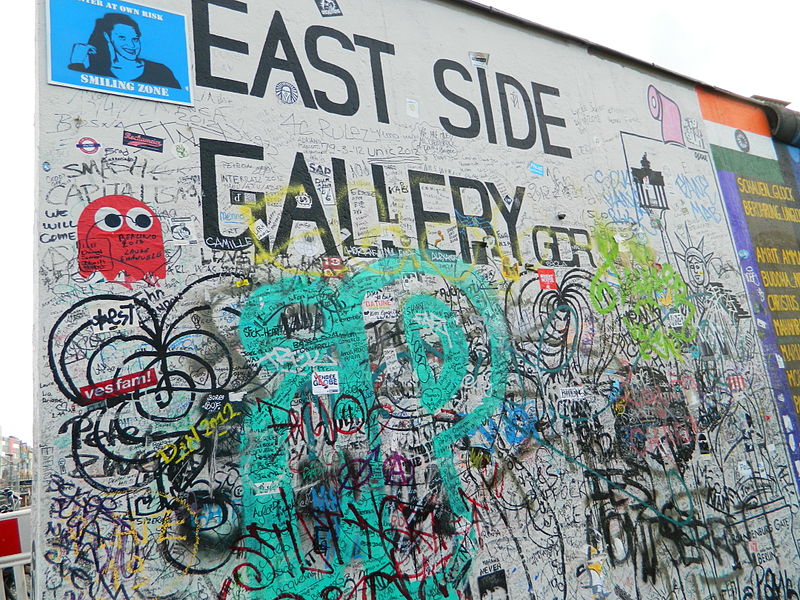 East Side Gallery4.7Today East Side Gallery is the largest outdoor exhibition on the remains of the wall. After the fall of the "Berlin Wall" on November 9, 1989, many artists came to the German capital to express their art, the same that began on the east side of the old separatist barrier. Among the close to 100 drawings made from paintings and graffiti, the messages of peace and freedom, as well as a rapid review of all the violence experienced in the country during that time, stand out. |
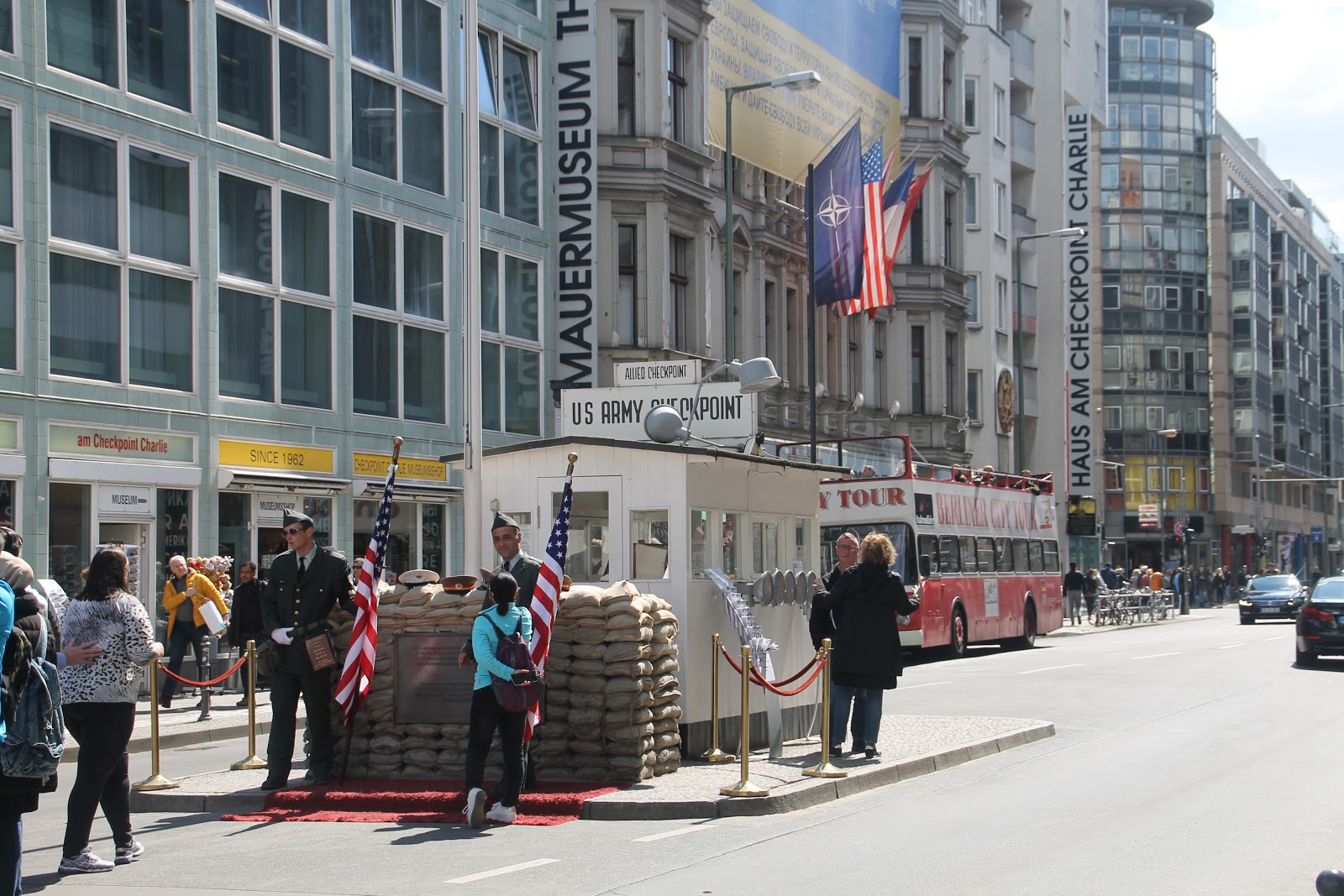 Checkpoint Charlie3.9After the construction of the Berlin Wall, few borders remained through which the citizens could move between the two Germans. The mayor of West Berlin got his citizens to visit the eastern part with some restrictions and Checkpoint Charlie was the place of access. |
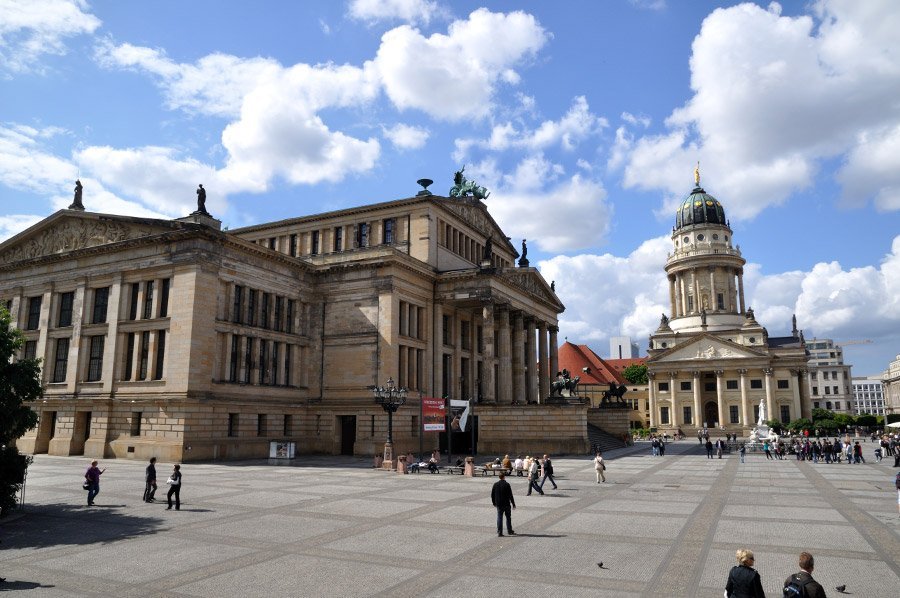 Gendarmenmarkt4.5They say of the Gendarmenmarkt of Berlin that it is the most beautiful square in the city, and the truth is that when you see it for the first time, it is difficult to put it in doubt. Located in the heart, very close to one of the main commercial arteries of Berlin, the Friedrichstraße, the Gendarmenmarkt Platz is a relatively large square, with an architecture that makes it beautiful: on one side, the German cathedral. The other, the French cathedral. And in the middle of both, the Konzerthaus, one of the most prestigious concert rooms in the German capital. |
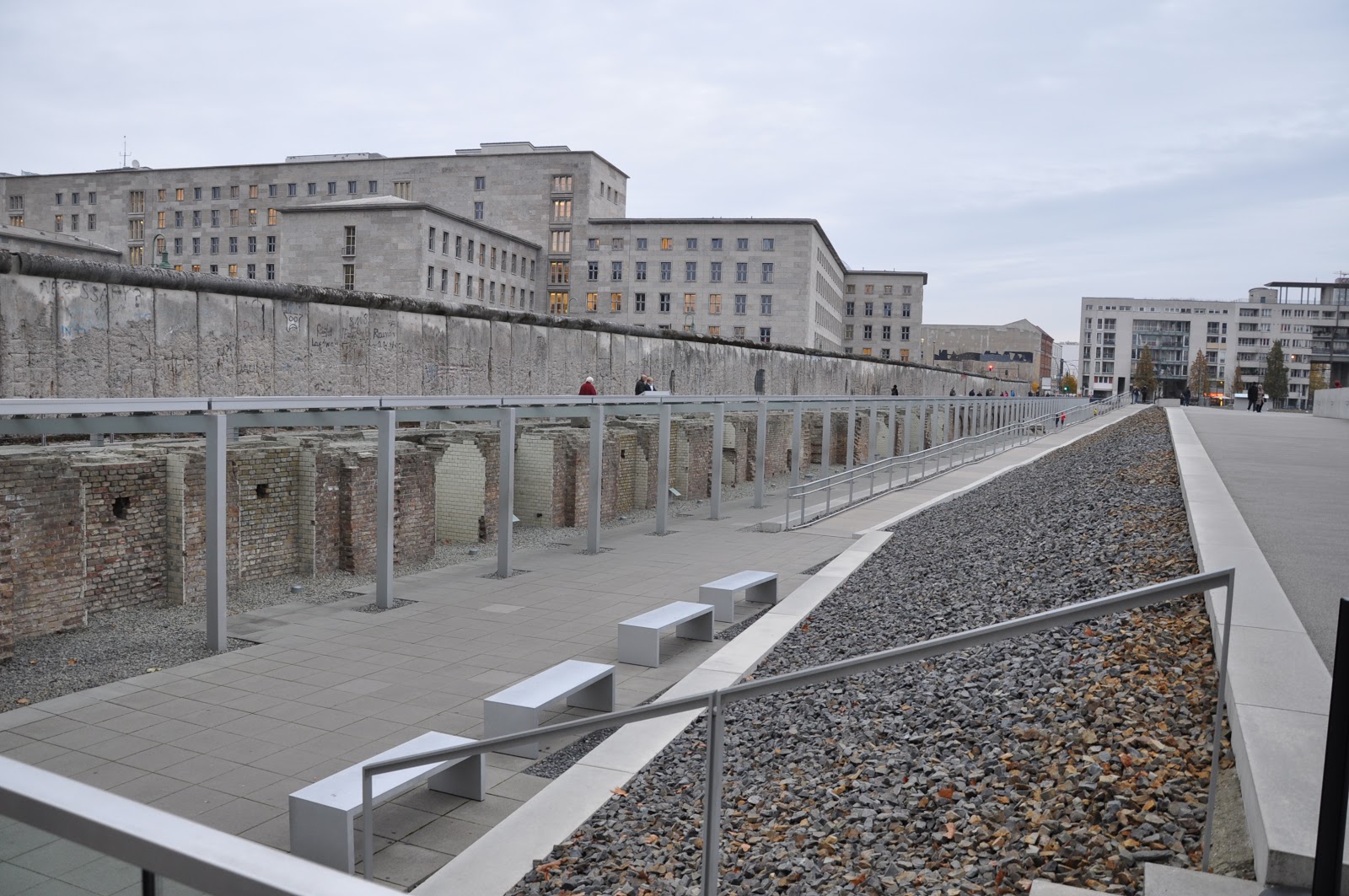 Terror topography4.5Between 1933 and 1945 the centres of national socialist terror, that is, the secret state police (Gestapo) with their prisons, the SS management, the SS security service (SD) and the Reich Central Security Office were at the place where today's "Topography of terror" is exposed, next to the Martin Gropius building and near the Potsdamer Platz. And here you can also see the new exhibition of "Topography of Terror." It documents the history of the institutions of terror, located next to the Nazi government district, and the crimes committed there. |
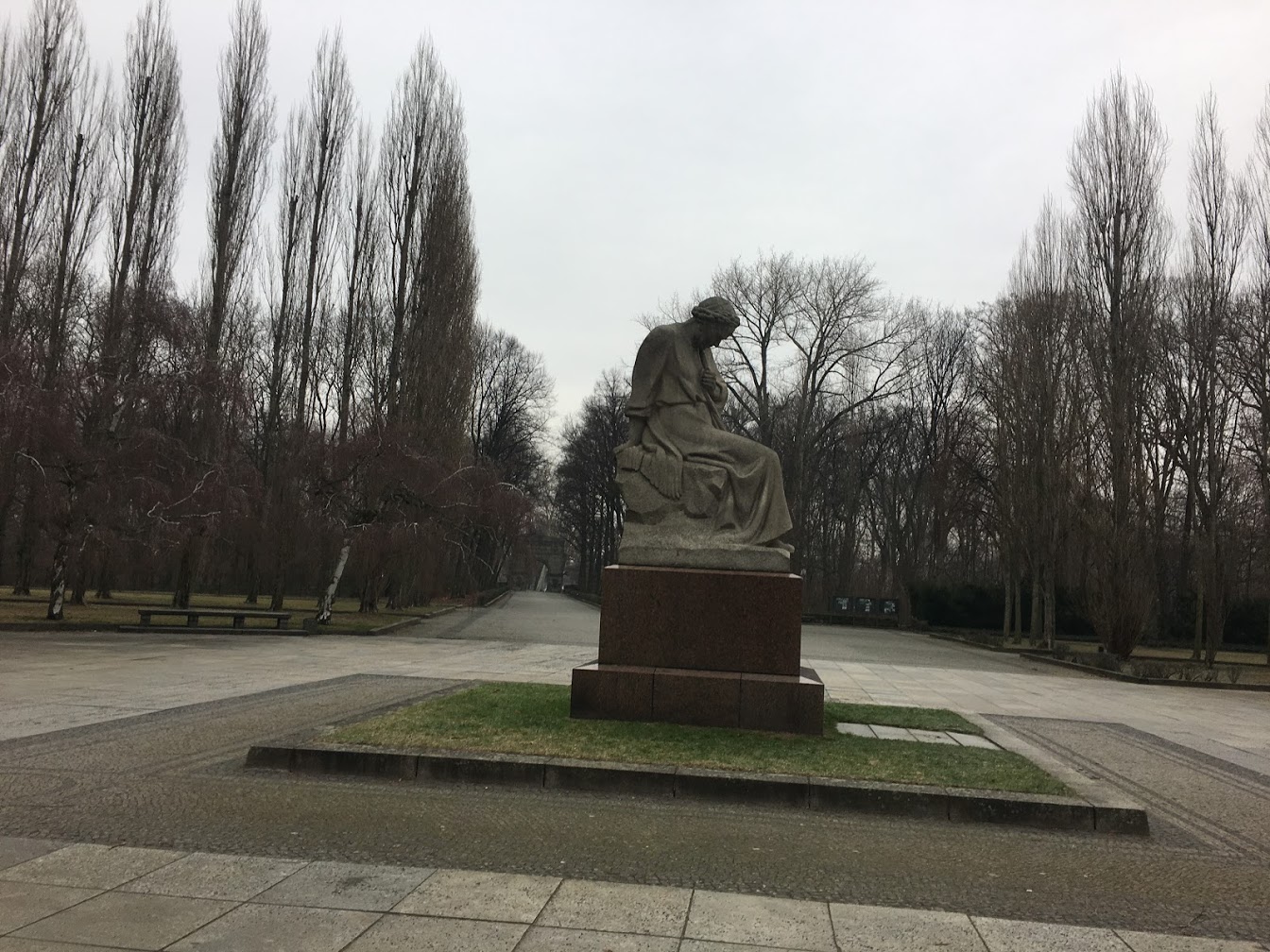 Treptower Park4.5During the post-war period, three major Soviet monuments were raised in Berlin, which, apart from their commemorative function, also serve as a military cemetery. The facilities of Treptower Park are the central monument; with 100,000 square meters it is the largest of this type in all of Germany. Between 1946 and 1948, where there was a large green plot for play and sports, this complex was built, which at the same time serves as a cemetery for more than 5,000 Soviet soldiers. Foundrous and fresh plates with representations about the coming of war occur in long rows. The imposing statue on the mausoleum shows a soldier who holds a newly saved German child. It is a commemorative place for approximately 80,000 Red Army soldiers fallen during the conquest of Berlin during World War II. For construction, 40,000 cubic meters of granite were needed. The complex is, next to the military cemetery of Niederschönhausen, the largest Soviet military cemetery in Germany, as well as the largest anti-fascist monument in all of Western Europe. |
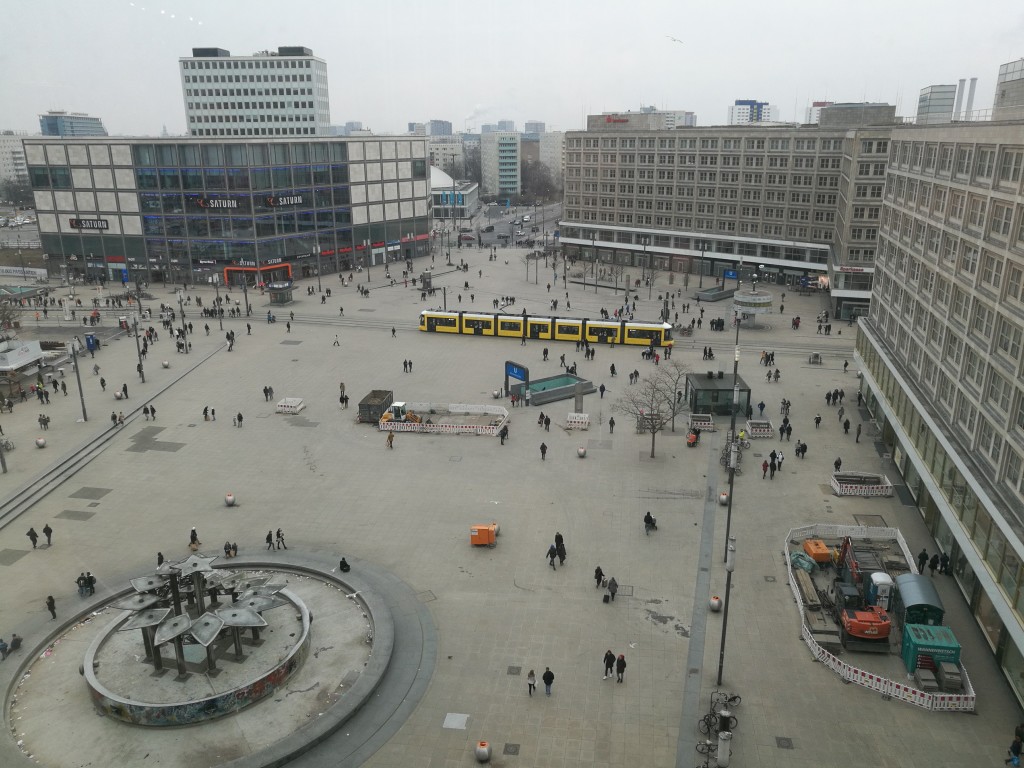 Alexanderplatz4.2This square, called "Alex" by the Berliners, was reformed in austere style in the 1960s and is now a clear sign of the architecture of the communist era and a central meeting place for its citizens. |
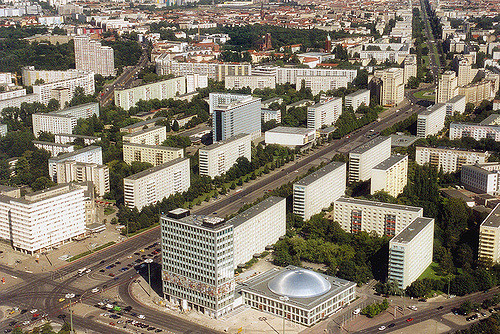 Karl-Marx-AlleeThe avenue is about 89 meters wide and almost 2 kilometres long and is bordered by eight-story buildings designed in the socialist style of the Soviet Union. At the end of the avenue are the two towers on Frankfurter Tor and the Strausberger Platz designed by Hermann Henselmann. The buildings present in their facades different motives of the traditional Berlin by Karl Friedrich Schinkel. |
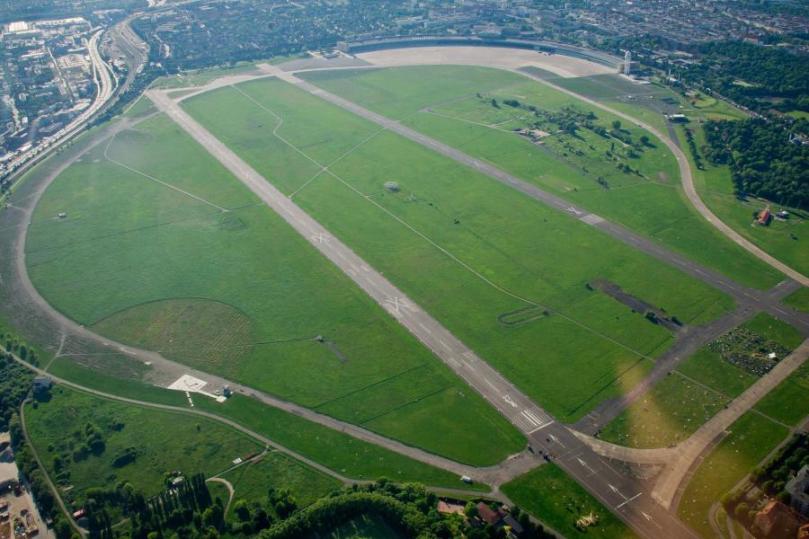 Tempelhof Field4.5Tempelhof, an old ally airport today turned into a huge park for the city, which invites you to walk through the old take-off track. The work of the architect Ernest Sagebiel, the passenger terminal is a typical feature of totalitarian architectures, a scale of other times. Today it shows the miseries of the West, serving as an improvised camp for war refugees in Syria. |
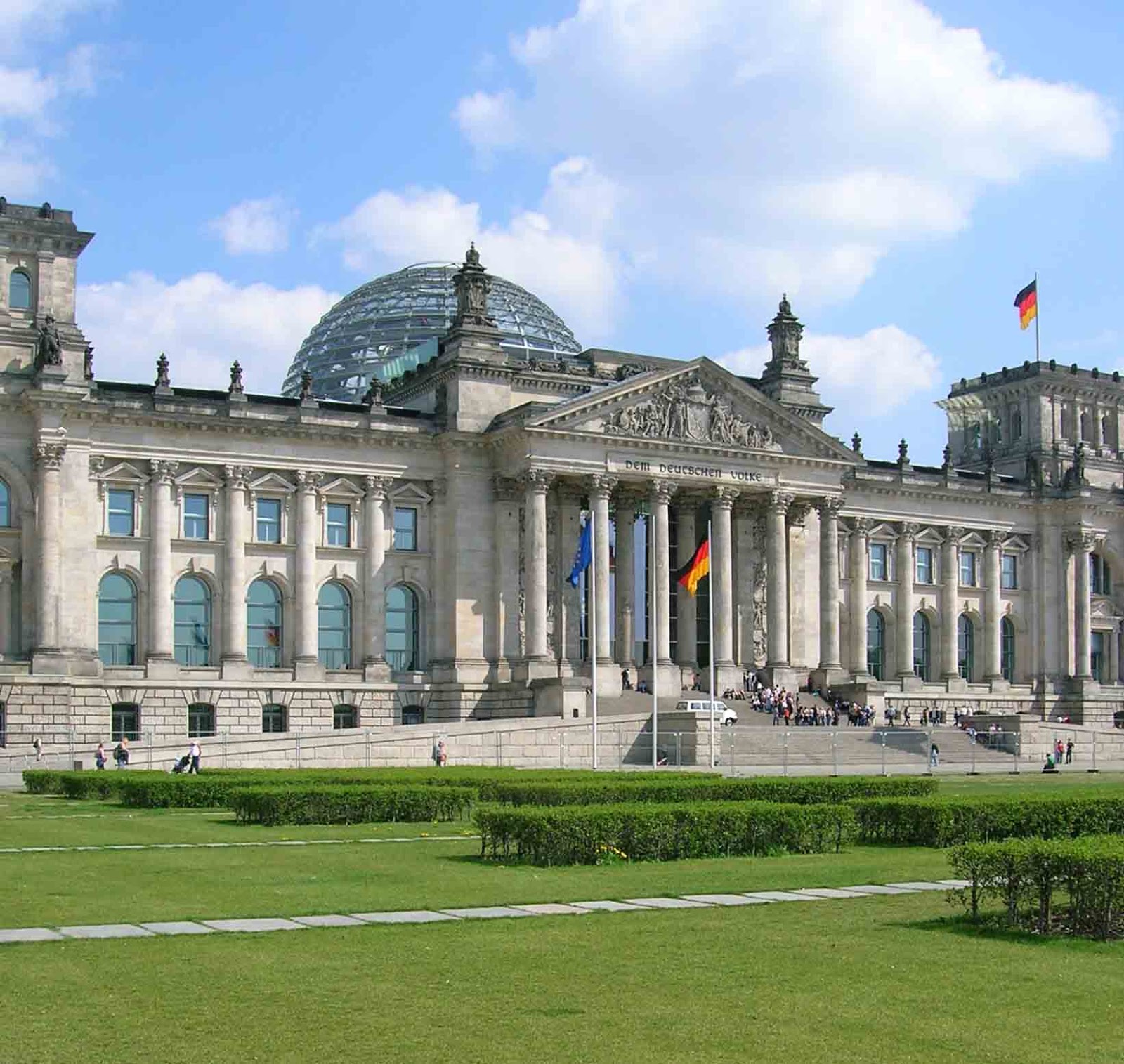 Reichstag Bundestag4.6One of the best visits to Berlin is to go to the Reichstag, the German Parliament. The entry is free and the audio guide in Spanish is also free, but you have to book on the Internet before you can visit the Parliament. |
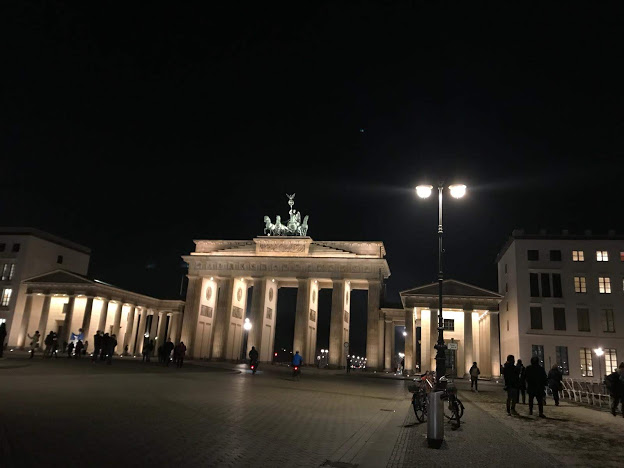 Brandenburg Gate4.6The Brandenburg Gate (in German Brandenburger Tor) is one of the emblematic symbols of the city of Berlin where the celebration took place when the famous Berlin Wall was demolished, Germany reunited. Historical monument from officials and politicians to tourists and visitors each year. The door of Bradenburg, which in the past divided Germany into two opposite cities and the world into two powers, is a silent witness to the country's history. Its construction was based on the portals of the Acropolis of Athens of Greece, incorporating herring with the ring during its construction and the shooting of four bronze horses with the goddess of Victoria. |
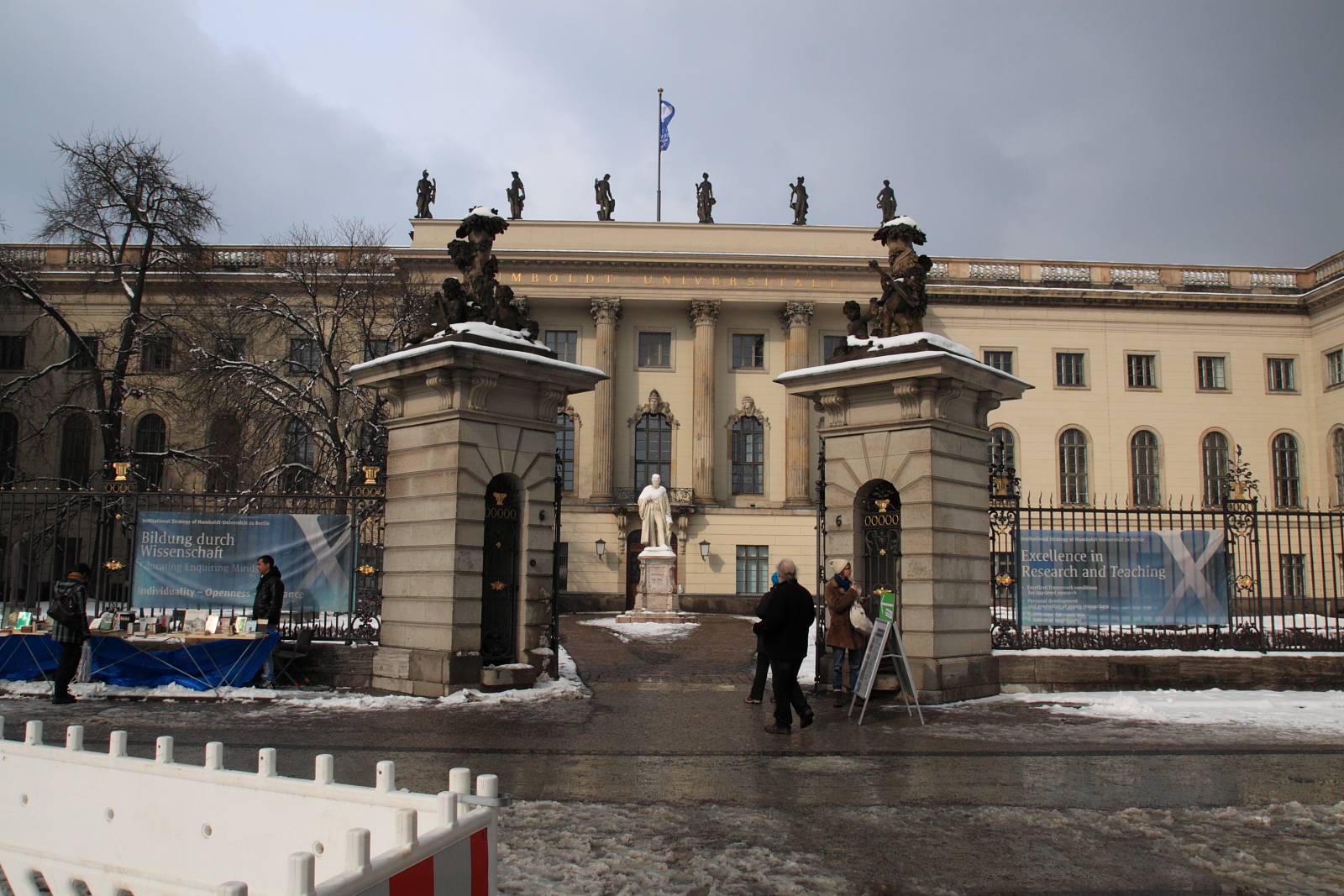 Bebelplatz4.4This magnificent square is one of the most interesting of the classic period, although it is also one of the most named for a much more modern historical event: the burning of books by the Nazis in 1933. On the floor of the square, on a side, there is a box / glass - if you visit the city in winter it may be covered with snow - a memorial that recalls this fatal event. It is also located in this square: one of the three operas of Berlin: the Staatsoper, the only Catholic temple in the whole city: St. Hedwig. And to finish the prestigious Humbold University, from which were the Nobel awards of the Albert Einstein category. |
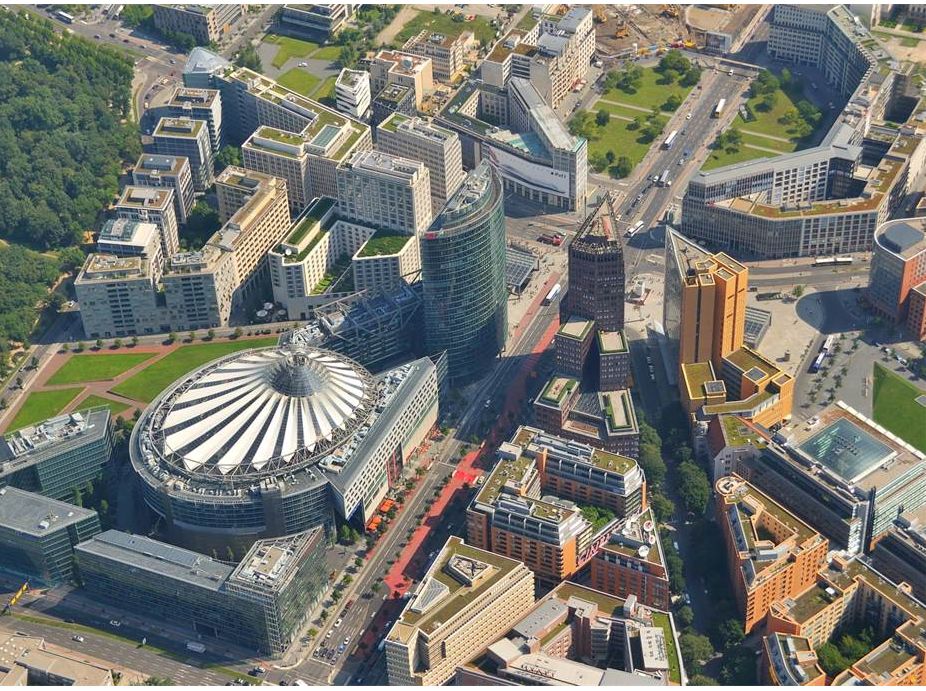 Potsdamer Platz4.4Potsdamer Platz, one of the most bustling squares in Berlin in the past, was destroyed during World War II and left in two by the Berlin Wall. Today, the completely reformed square is again shining with the splendor before the war. |
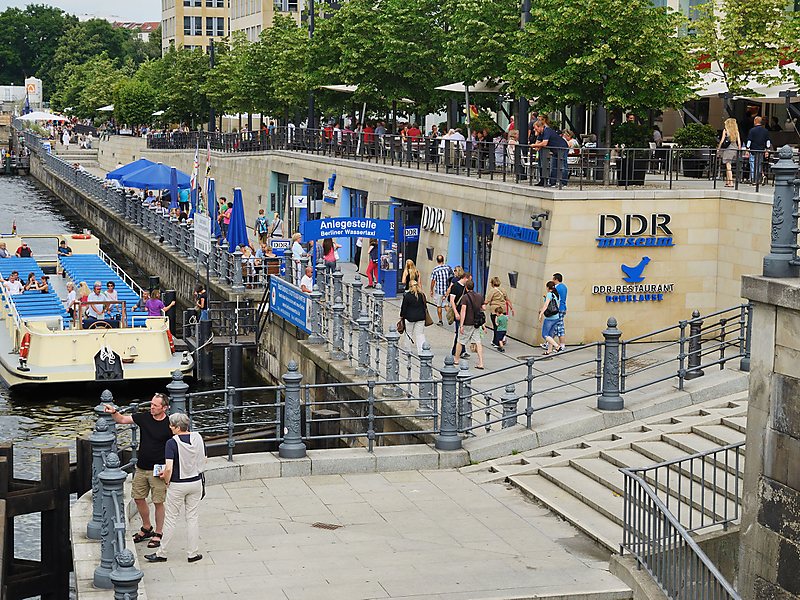 DDR Museum4.2The DDR Museum (in Spanish known as the GDR or German Democratic Republic) brings together different objects and reconstructions from the Communist part of Berlin to make the visitors known the day to day of the Germans who lived under the strict GDR regime between 1949 and 1990. |
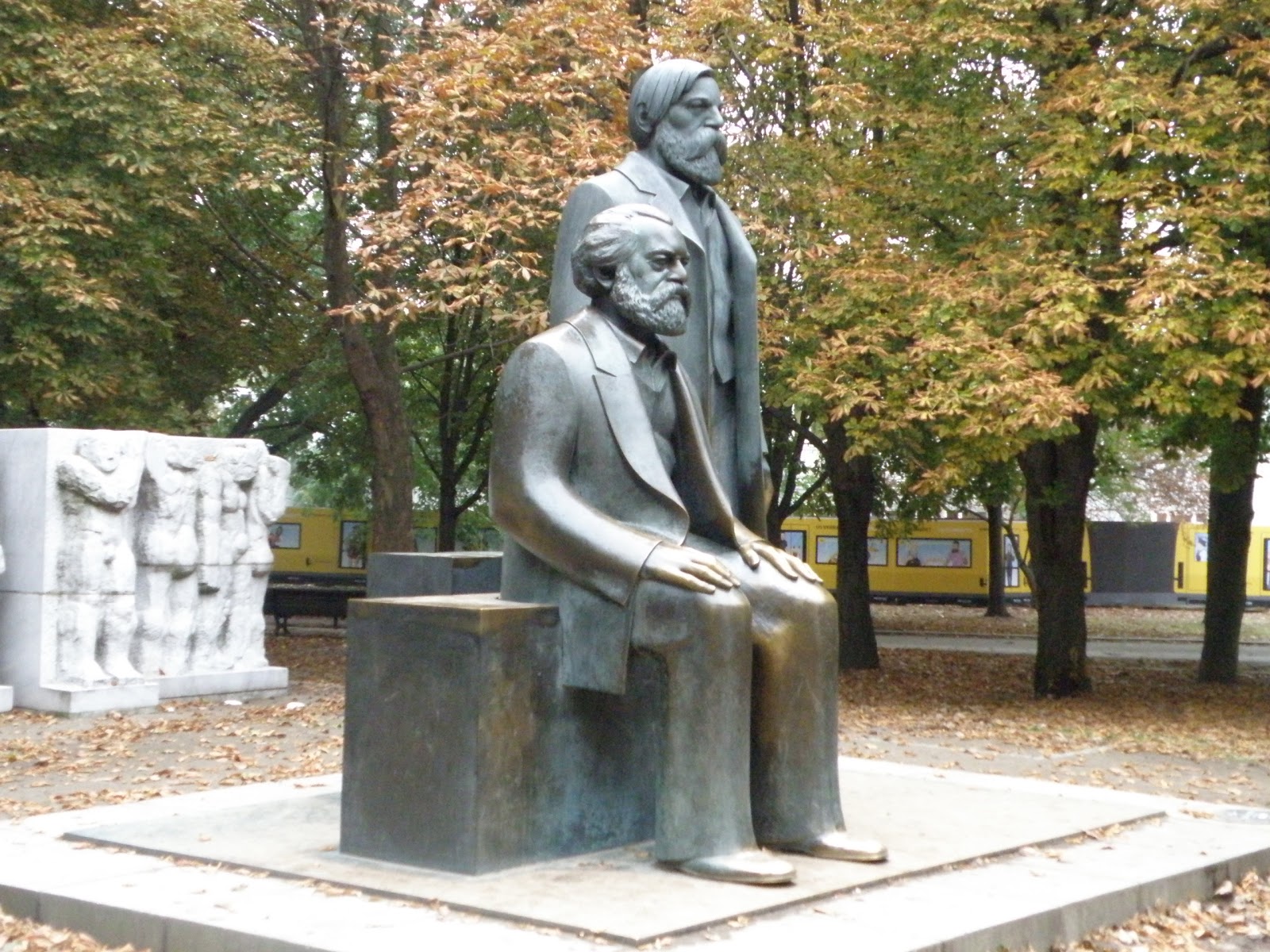 Marx-Engels-Forum4.3The Marx- Engels Forum is a public park named after the two parents of communism. It was created by the GDR authorities in the 1980s, so it is one of the most recent points of interest in the city. |
Berlin is a city with a lot of cultural offer and a lot of history in its streets and monuments. There are museums and art galleries, parks for walking, picnic or cycling, markets and a lot of street art. In short, Berlin has a lot to offer.
Latitude:52.512712·Longitude:13.400964