Tourist sites in Lisbon
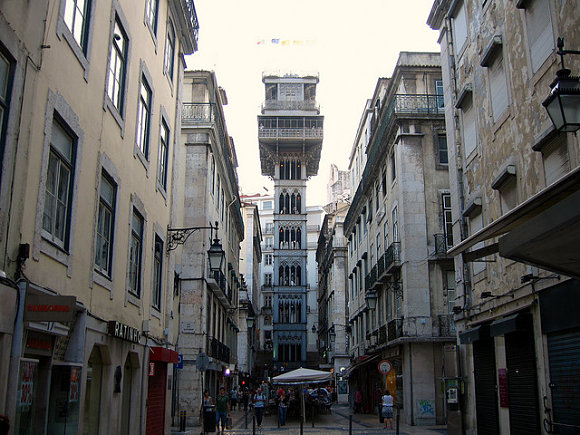 Santa Justa lift4.0The Santa Justa Elevator, also known as Elevador do Carmo, is a neo-Gothic elevator. It is built in iron and communicates the run of the Baixa and the Carmo, two places that are very different and very recommended of the city. The tower was built in the early 20th century by Raoul Nesnier du Ponsard, a student of the creator of the Eiffel Tower, Gustave Eiffel. Apparently, the tower does not seem at all like an elevator that unites the 32 meters of gap between the two neighborhoods we mentioned earlier, but it is. This is the most comfortable and attractive way to reach the top of the city. The interior of the elevator is decorated with wood and bronze. On top of the platform the elevator has, we will find a large terrace with an outdoor coffee and beautiful views of Lisbon. This Santa Justa elevator is the only vertical public lift in all of Lisbon. The rest are funicular that slide through the earrings. |
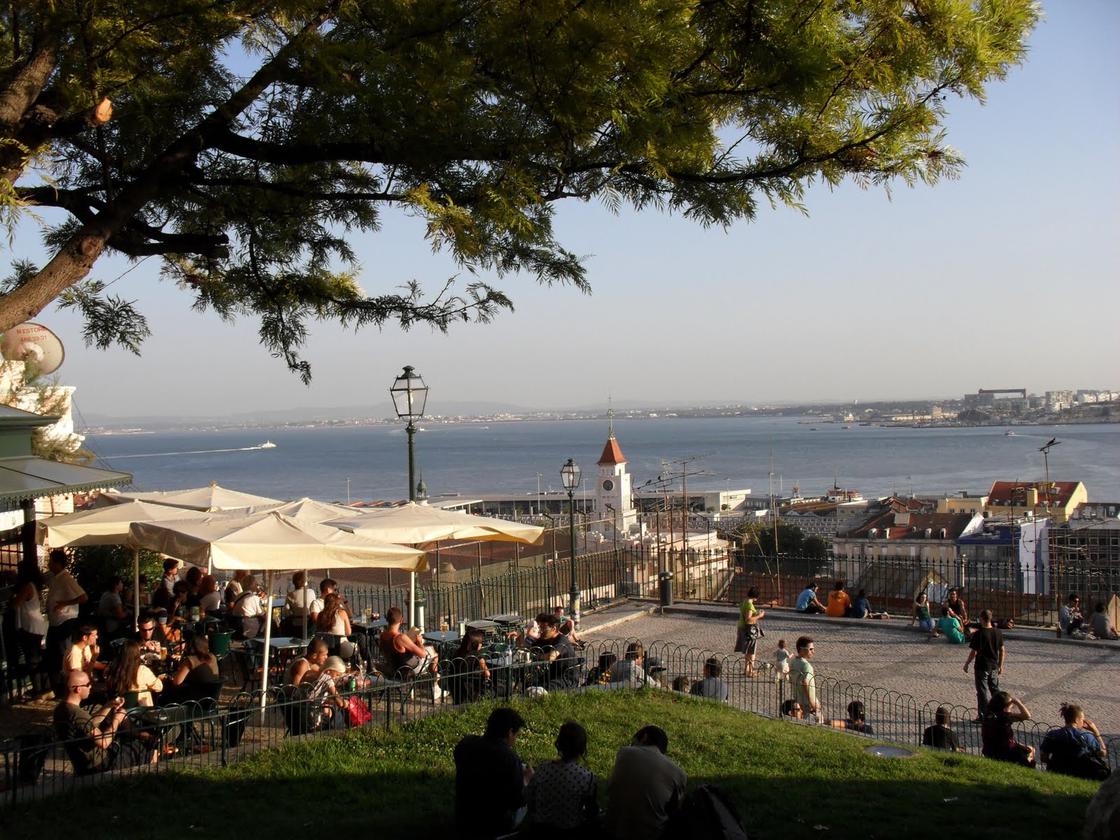 Mirador de Santa Catarina4.0Also known as "Adamastor," it is one of the preferred meeting points for lisboets. It is normal for it to be filled with people, especially young people, but by its breadth we will not feel drowned. It has a kiosko in the center and a bar coffee on the right. Also a small green area to sit and enjoy the sunset. It is one of the most frontal views of the river. One of the most charming viewpoints in Lisbon, which we can reach from the Elevator da Bica. With views of the Tagus estuary, the neighborhoods of San Paulo and Lapa, the King Christ and the April 25 Bridge. |
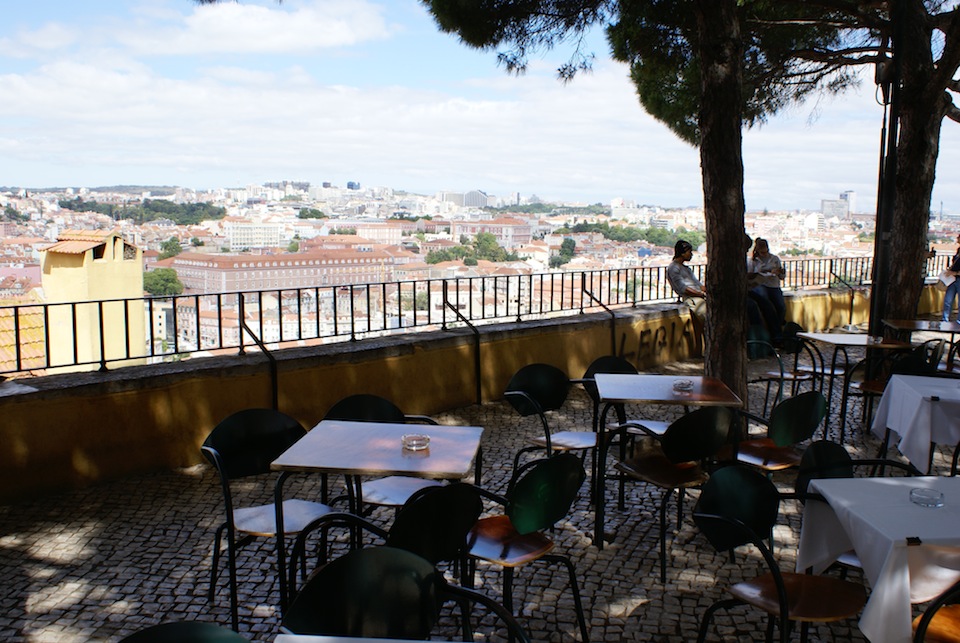 Mirador of Grace4.5Next to the convent of Our Lady of Grace, very close to the Castle of San Jorge, this favorite view of the young lisboets is ideal to contemplate the sunset as we take something in its kiosk that serves tapas, cafes, canes and liquors of all kinds (which, contrary to those of other views, has a rather cost-effective price). Although the official name of the lookout is Sophia de Mello Breyner Andresen, in honor of the poet, the locals still know him as Mirador de Gracia. From here we can admire the views of the Castle of San Jorge, the Elevator of Santa Justa or the Convent of Carmo, among others. The 28 tram passes just very close, so at the end of the road you should only go down and walk looking for the river. . |
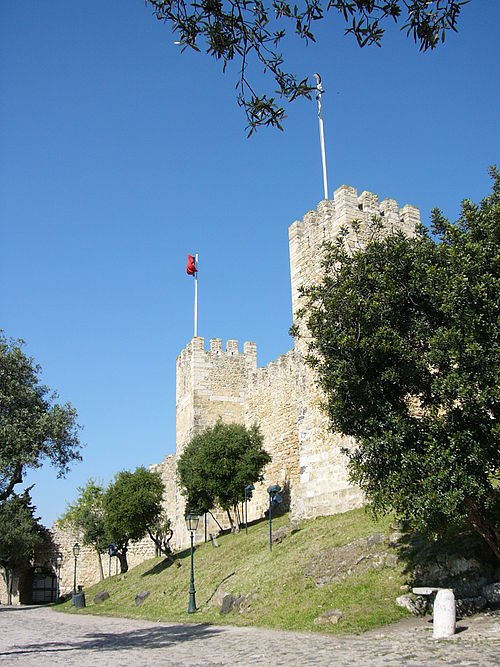 San Jorge Castle4.0With more than eight centuries of history, the Castle of San Jorge (Castelo de São Jorge) stands out among the disordered streets of the highest hill of Lisbon. . |
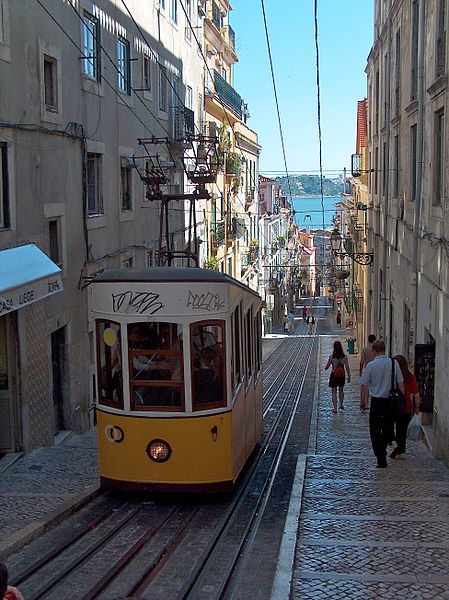 Bica lift4.0In his ascent to the Upper Quarter, the Elevator da Bica runs through the Rua da Bica de Duarte Belo from Cais do Sodre. It is the most popular funicular, and also the most steep. Inaugurated in 1892, aboard it we will transport to the 19th century while enjoying a typically lisboeta view between houses of pastel color. At the end of the tour the Mirador de Santa Catalina awaits us, from where we can admire the river. |
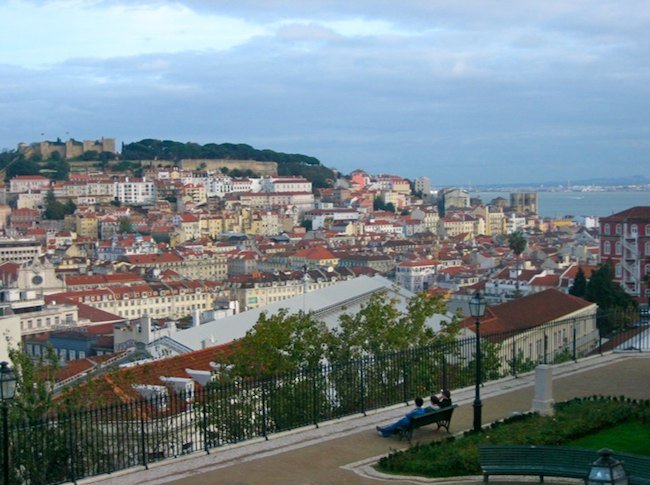 Mirador Sao Pedro de Alcantara4.5Located within the San Pedro de Alcántara Garden, in the Upper Quarter, this lookout, which we can access from the Elevador da Glória, offers great views of the Castle of San Jorge, the Cathedral of Sé and the historic centre of Lisbon. It is one of the most visited in the city (the beautiful gardens and sculptures surrounding it have much to do with this). The map of tiles that we will find aside will help us to locate each building and monument we can see from the lookout; if we want to enjoy a much more detailed panorama, we can use (upon payment) one of the catalogs installed in the lookout. |
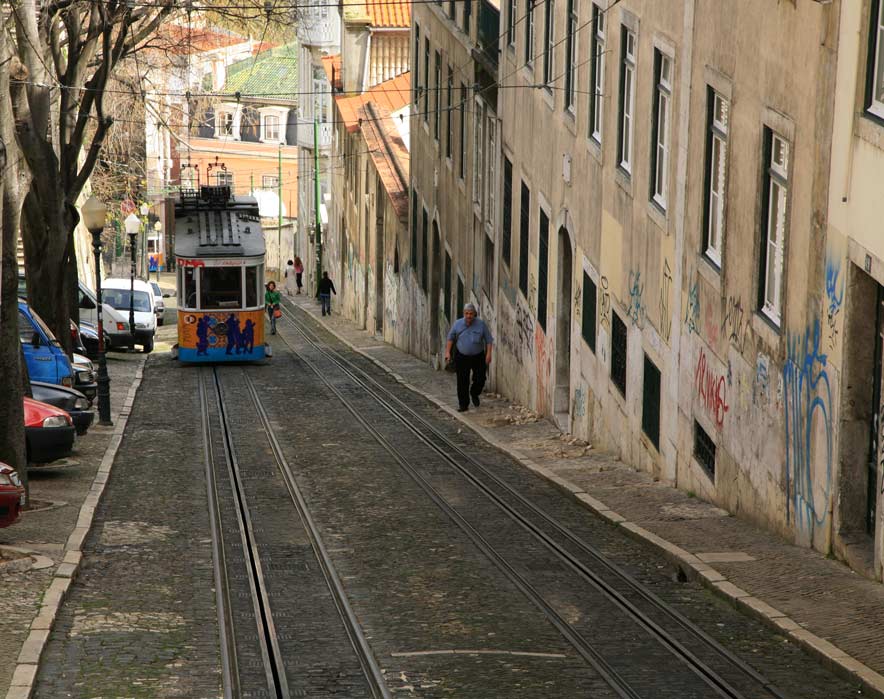 Elevator da Glória4.0Since 1885 the Plaza de los Restauradores has been communicating with the beautiful view of San Pedro de Alcántara, we find the Elevador da Glória, the usual image of the city with its yellow colour and its peculiar graffiti. Work of the same engineer as the Elevator of Santa Justa, Raoul Mesnier du Ponsard, transports the passengers to the Upper Quarter in its almost 250 meters of climb. Elevator da Glória |
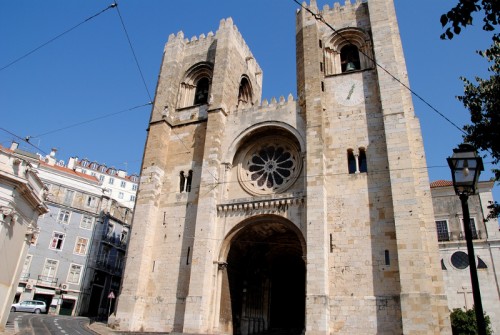 Lisbon Cathedral4.0The Cathedral of Lisbon or Cathedral of Sé, of Romanesque style, is one of the required visits in the district of Alfama. This is one of the few surviving monuments to the successive earthquakes and fires that have ravaged the city. Its construction began in the mid-12th century, when Alfonso Henríquez and the first bishop of Lisbon, Gilbert de Hastings, decided to lift it up on an old mosque after reconquering the city to Muslims during the Second Crusade. |
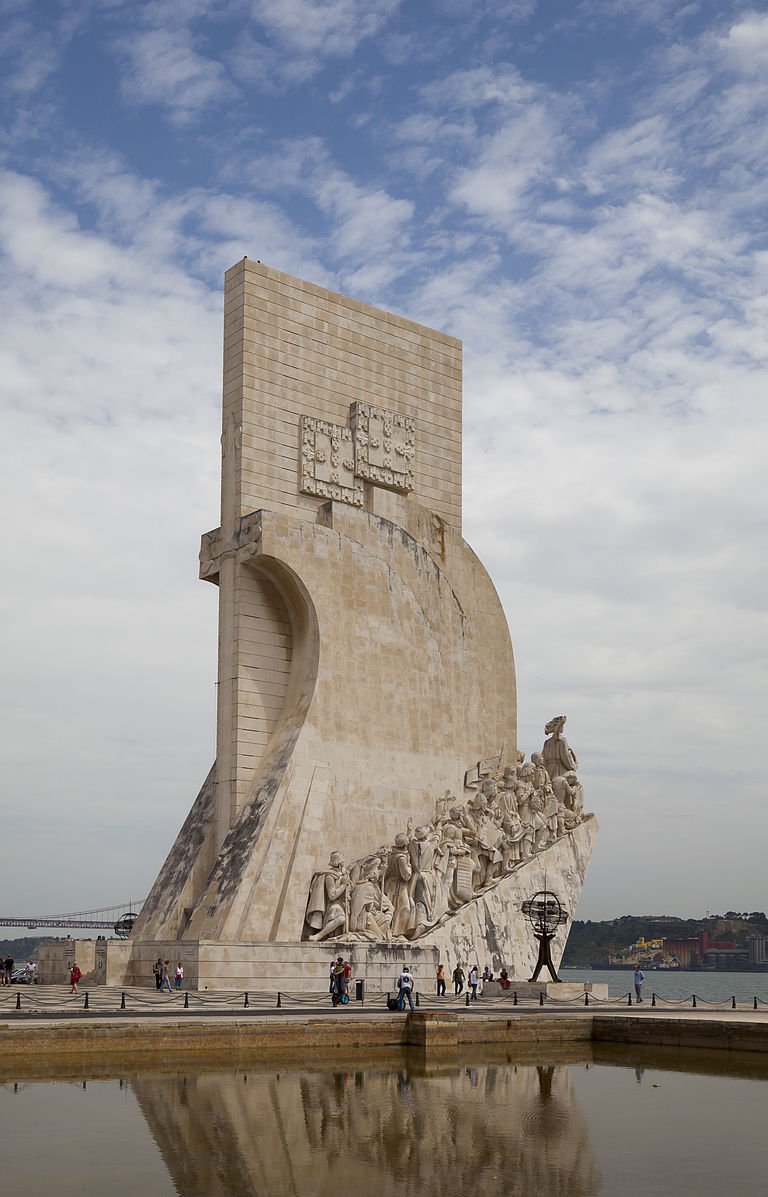 Monument to the Discovery4.0It was commissioned by the Salazar regime, is 52 meters high and celebrates the sailors, real patterns and all those who participated in the development of the Age of Discovery. |
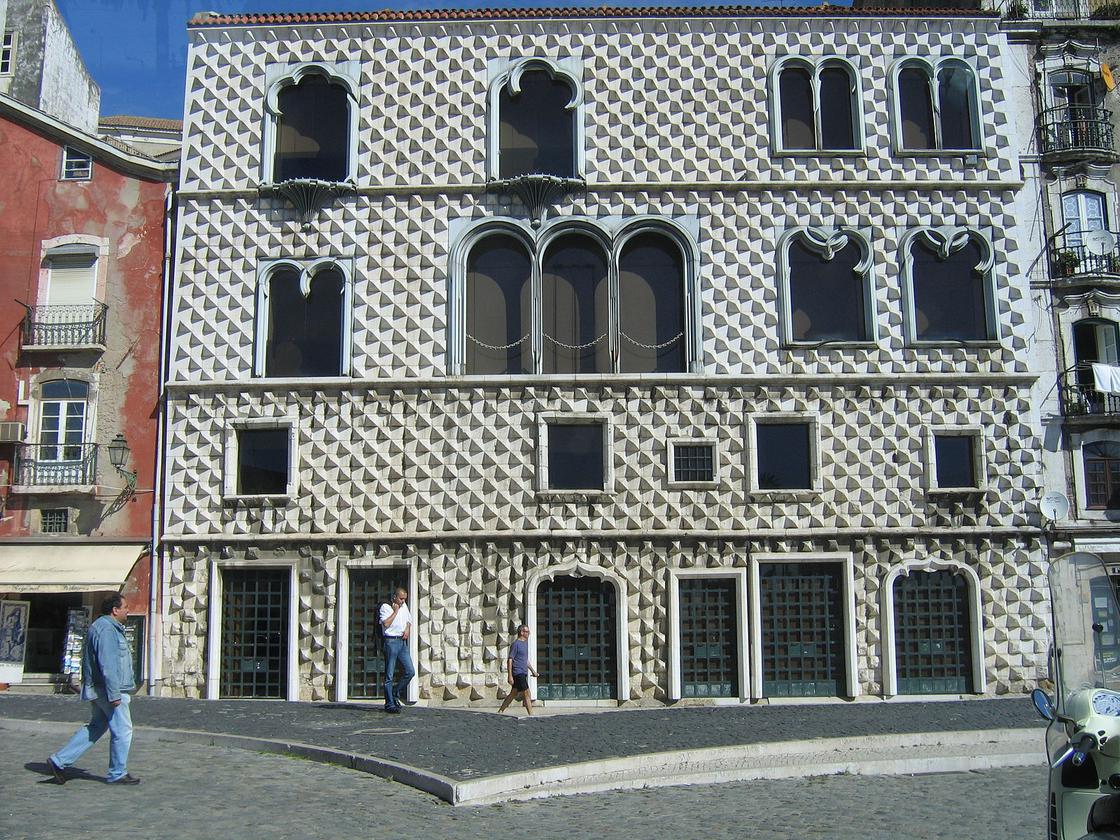 Casa dos Bios4.5Its facade is covered with stone carved in the form of a diamond tip, the so-called "bics," being a unique example of the residential civil architecture lisboeta in Lisbon. The "bios" show a clear influence of the Italian Renaissance. In fact, the owner of the house, Brás de Albuquerque, had it built after a trip to Italy, where he had seen the Palace of the Diamonds of Ferrara and the Palace Bevilacqua, in Bologna. The doors and windows have a different distribution and sizes, which gives the building a certain charm, reinforced by the layout of the windows of the upper floors, freely inspired by the trilobulated arches of the time. |
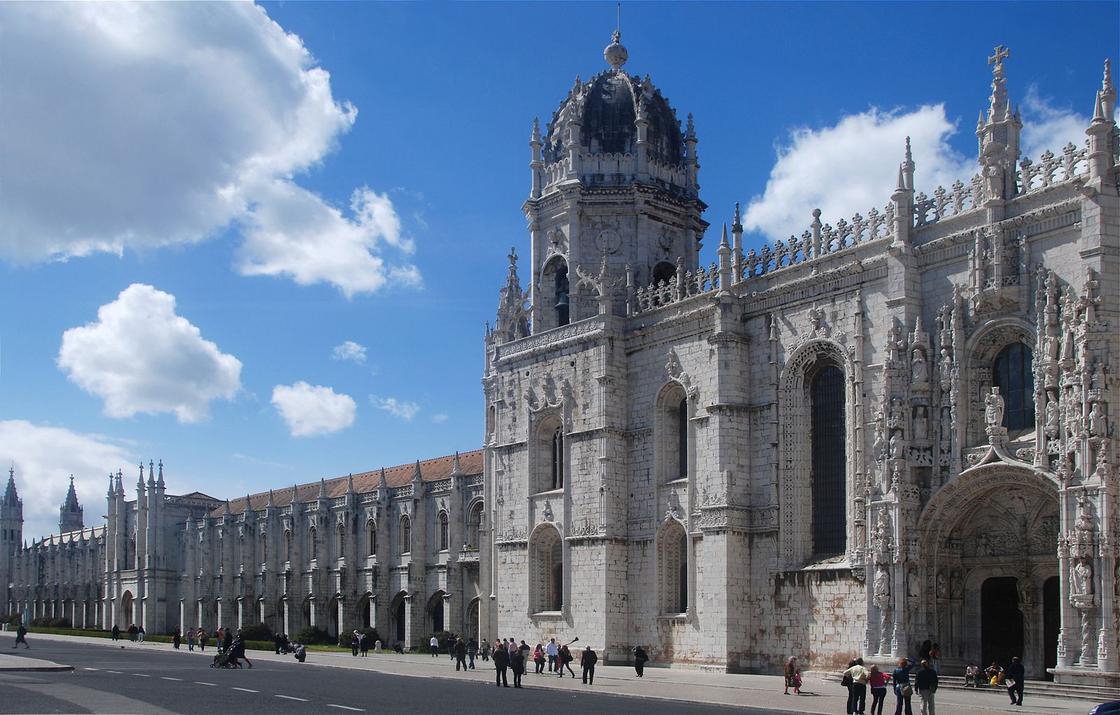 Monastery of the Jeronyms4.5Declared a World Heritage Site by UNESCO in 1983, the Monastery of the Hieronyms (Mossteiro dos Hieronyms) is one of the main examples of the Manuelin architecture in Portugal and a tribute to the golden era of the discoveries, as Manuel I ordered its construction to commemorate the return of India from Vasco de Gama (in fact, the works were financed by the taxes from the colonies). |
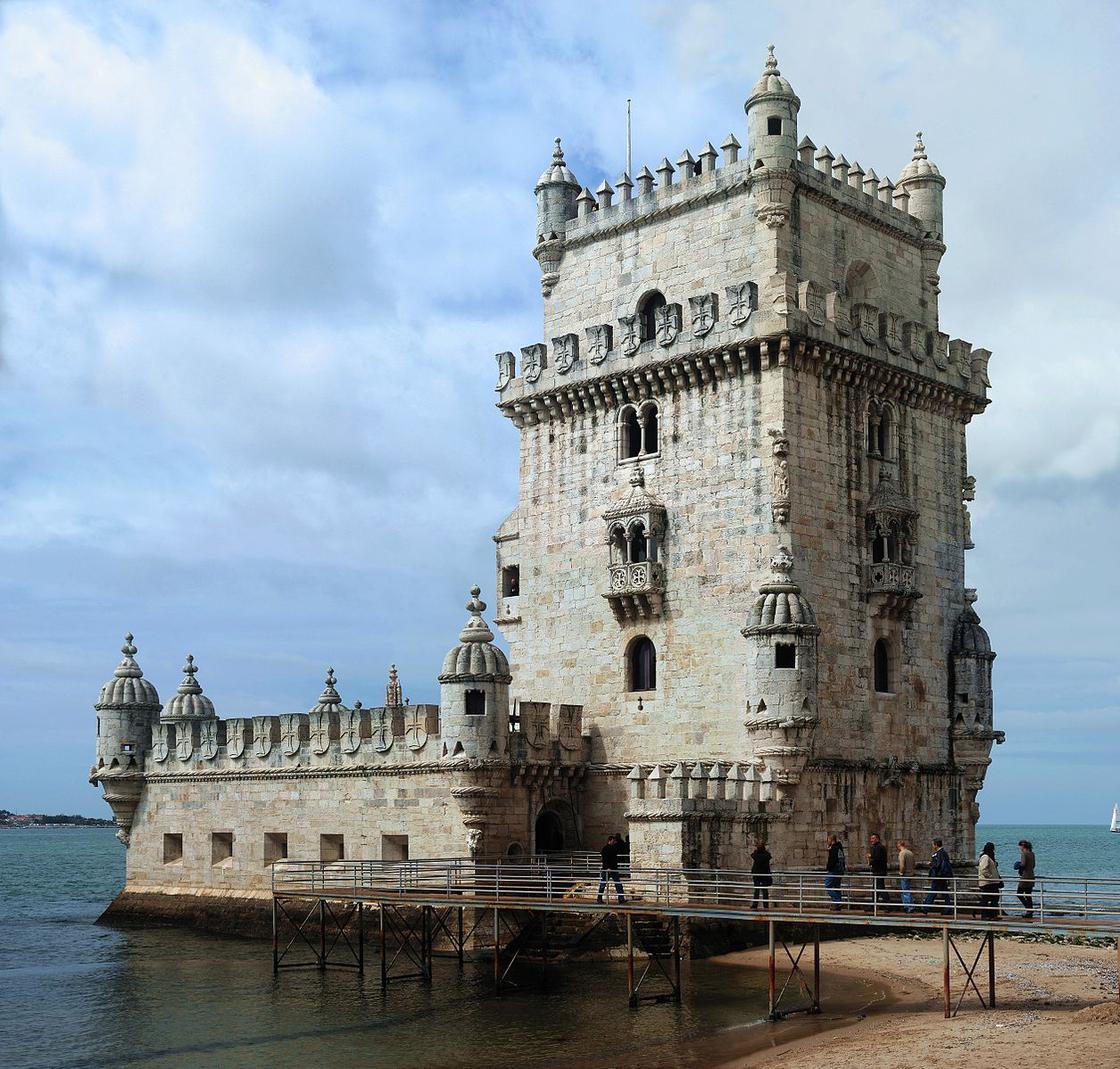 Belem Tower4.0On the banks of the Tagus is the Tower of Belém, a symbol par excellence of the city of Lisbon. It is declared a World Heritage Site and its location on the old beach of Restelo, from where the carabelas were left in their expeditions to other continents, is not casual. In fact, dates from the 16th century, It was of the Discovery, when it was built as a fortress to protect the entrance to the port through the Tagus (in fact, inside the bulwark we can still see the cannons). Over time, its defensive use was relegated and used as a tax-taking and even prison centre. |
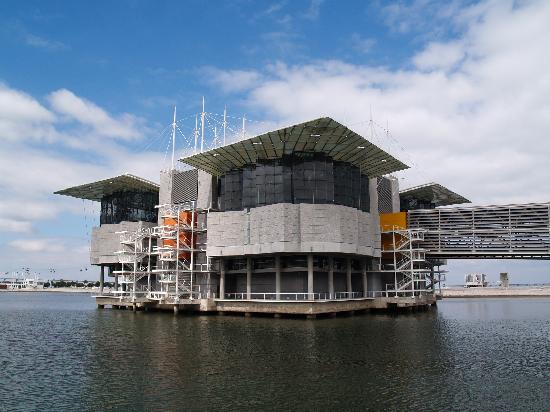 Lisbon Ocean4.5The Lisbon Oceanary (Lisbon Oceanarium) is the largest inland aquarium in Europe. It was built within the framework of Expo 98 and is located in the Park of Nations. It has a total of 16,000 specimens of almost 450 different marine species, distributed among its different spaces. Only in the large central tank (the size of four Olympic pools) are there more than 100 species, including sharks, stripes, barracudas, brown huidizas and even a huge moon fish. Around the central tank we find four other tanks, each representing four different habitats: the rocky coast of the North Atlantic, the Antarctic coastal line, Pacific laminarial forests and Indian coral reefs. |
Tourist sites to highlight.
Latitude:38.711751·Longitude:-9.158931