Route of the Tapa
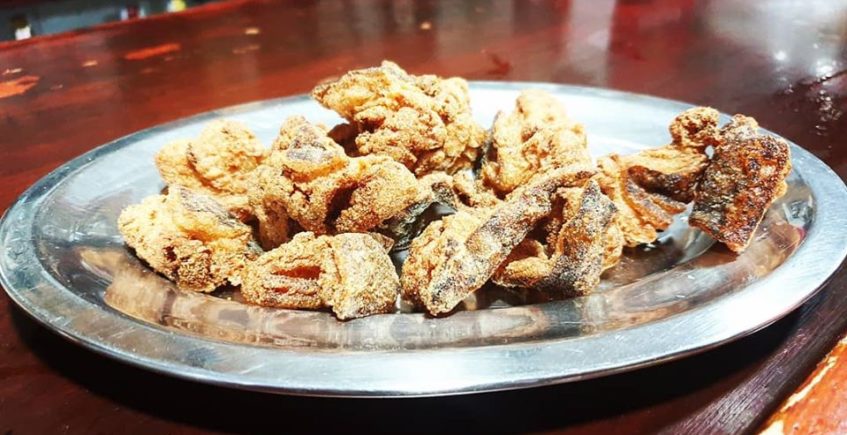 Winery The AdoboFry like no one, clean and crisp fries of the freshest products of season and in the Heart of Cadiz, where more art can not be there, their Brunette in Adobo is unsuperable and perfect the others, Salmonets, Acedías, Croquetes de Choco, Hunting, Cochas de Pescadilla, good Gambas al Ajillo and a Bahia squid cooked with Manzanilla and Tajitos de Jamón One of the best examples of all-life fish frying in the middle of Cadiz. A reservoir where it is still possible to enjoy unique and difficult to find species in other Gaditans, such as the brunette in adobo, the line and the fried (congio) safo. We must not forget the frying of stoves, good whole pieces of rock fish on the iron, or the sea peas such as the urta in roteña sauce or tomato bowl. Bar that preserves the essence of the missing local taverns. Little bar in and tables in the street. |
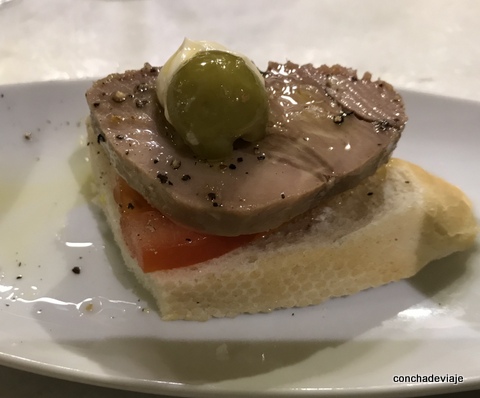 The Surprise TavernThe wooden barrels give you a charming and perfect tavern atmosphere to chat with friends. Generous wines such as moscatels, pillows, manzanillas etc., are perfect for salazones. The specialty is fused tuna and bluefin tuna. The verb is also to be considered. |
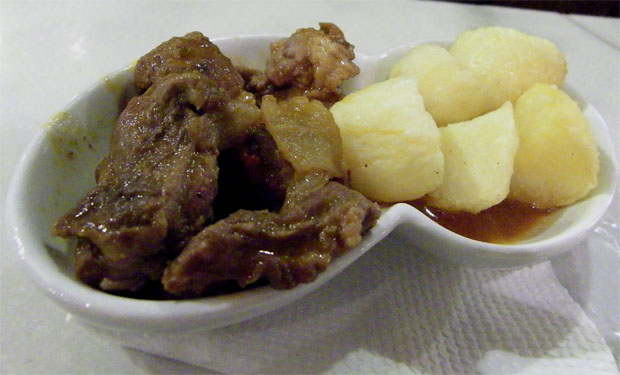 Meson Major SummitsOne of the classic bars. Located in the heart of the historic centre, it is certainly the alternative to the classic fried fish and typical beach food. Above all, the carrillada in salsa, the Iberian ham, the Iberian secret to the brasa, the montaditos, the berza, the salmorejo and the croquettes of the puchero. |
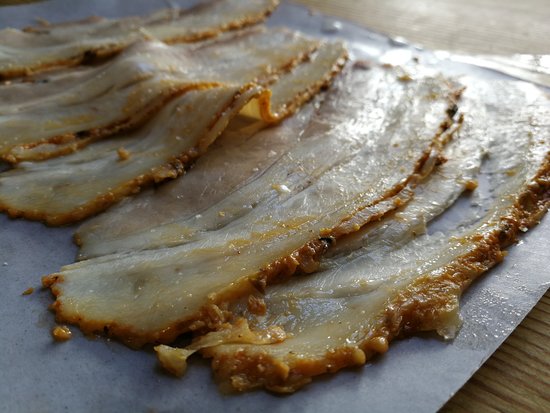 Casa MantecaOpen in a corner of Corralón Street, in the heart of La Viña district, since 1953. An authentic Andalusian tavern with walls full of pictures of bullfighters and singers and old bottles in the anaquels. You have to try the queen cap: special chicharra, a piece of very fine cut pancake with salt and lemon. They serve the tapas on the same paper as wrapping cheeses and chacinas they used when it was just a store of ultramarines. |
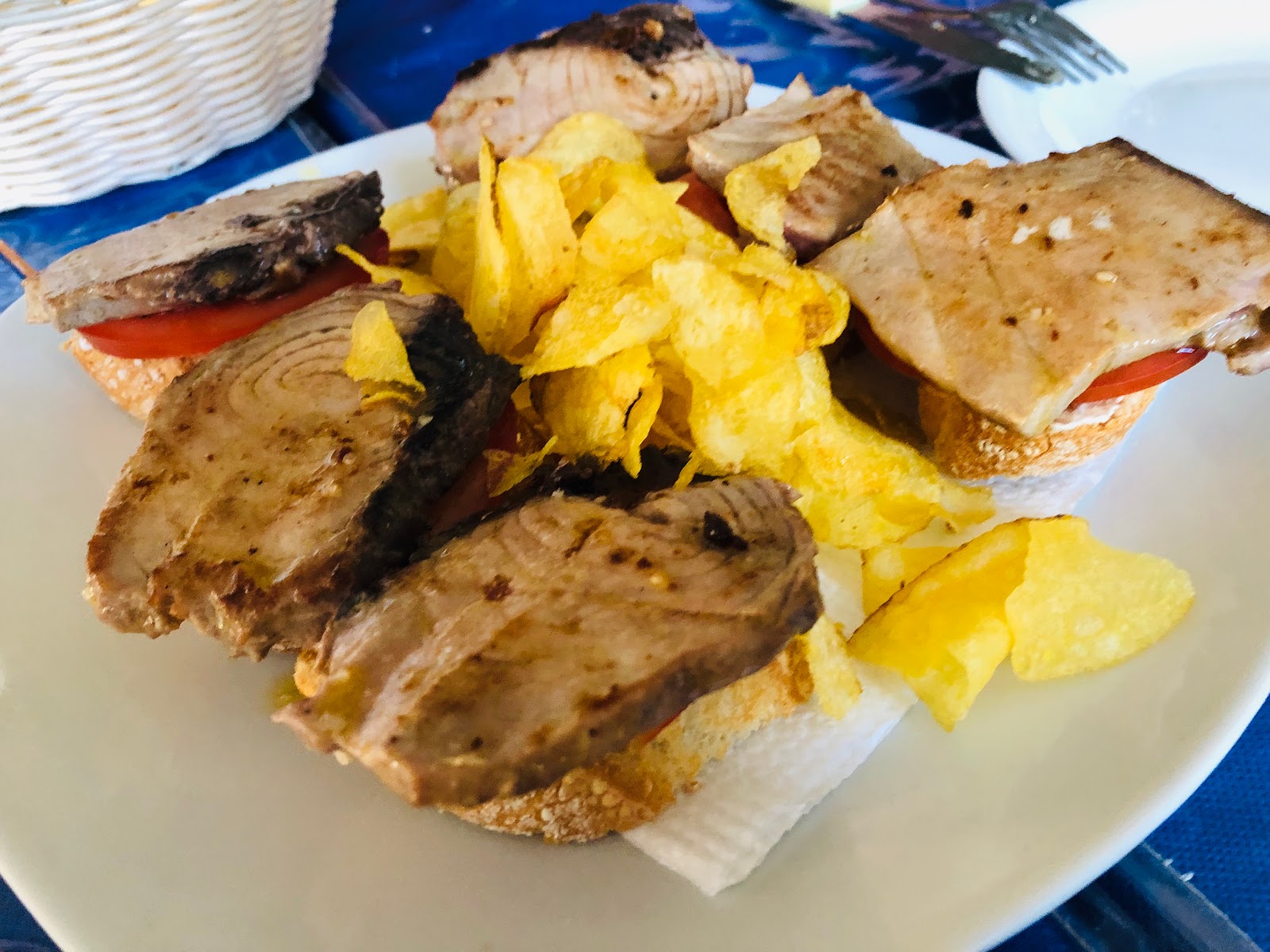 The AlmadrabaSimple kiosk in a garden on Juan Carlos I Avenue, in the Puerta Tierra area, specialized in tuna. They serve it in all its forms and ways of cooking it. Simple and informal place with a large terrace where to sit to cover the local fish par excellence. |
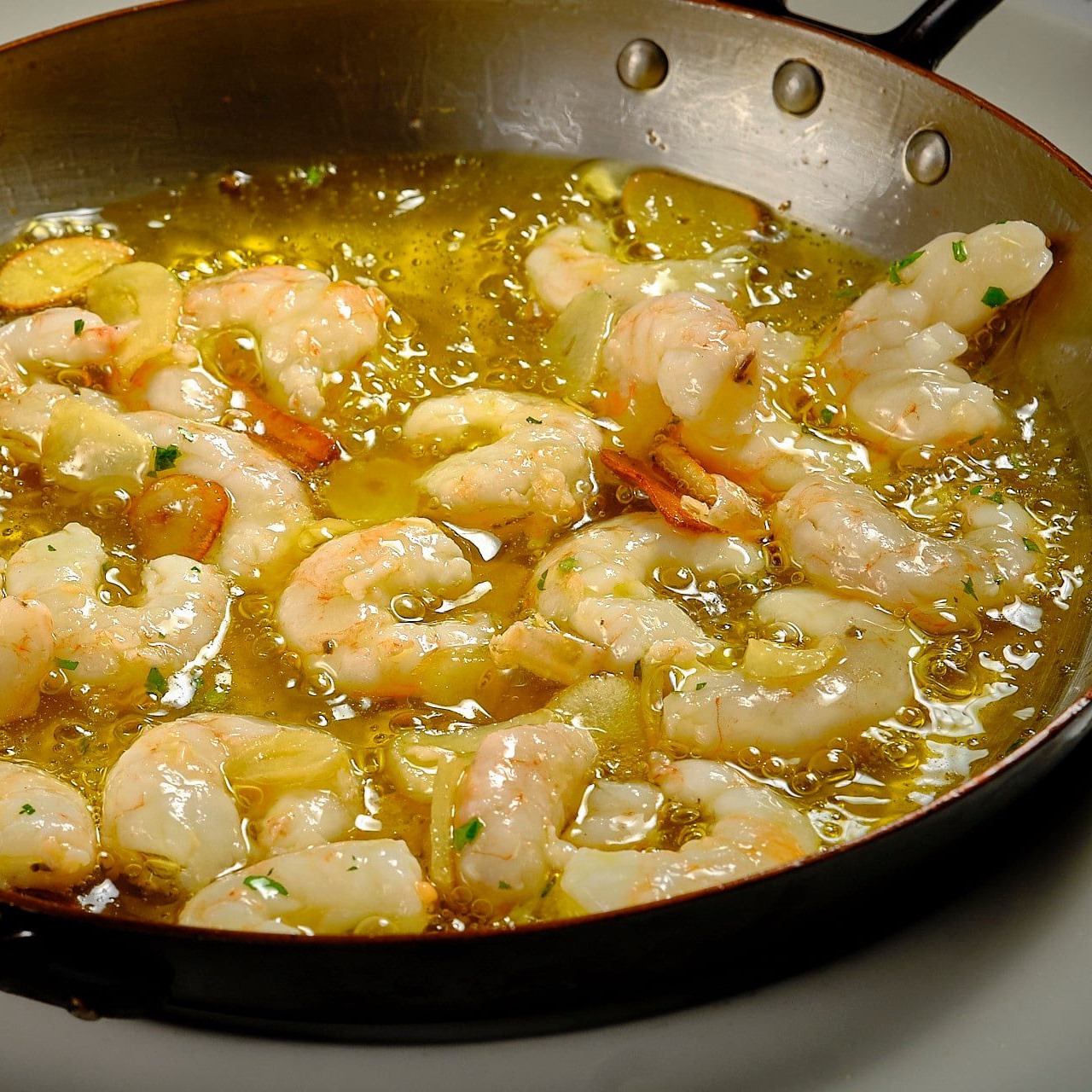 The LighthouseLa Barra is an identity sign of El Faro de Cadiz Restaurant and must visit if you walk through Cadiz. The speciality is the Panaera shrimp. The prawns are not only abundant in number, but also in size and they carried the white color that is brilliant that they are removed from any suspicion of those prawns to the "chuchurrumias" model knife that is when they use the prawns that they already buy peeled and are known as "chubasqueras" for the amount of water they release in the stew. The other great feature of the prawns at the edge of El Faro was the generoisity in what is the saltite, which went like "half a gamba" in height. As for the alignment of the sauce, it was composed, as the main feature, of an extra virgin olive oil "Almanzar," made in Baeza with olives of a picual type. It is produced by the same family, the Salcedo Martínez, which run the famous Juanito de Baeza restaurant. The shrimp are native to Huelva, in particular to Palos de La Frontera. The Menudo with Carabinero is also highly recommended. |
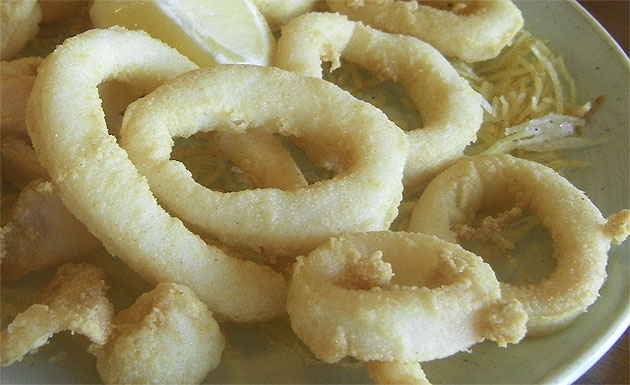 The pantryFried pot squid. This type of squid is caught by this fishing art that allows them to be caught when they are swimming. This makes them very clean. Another feature of this type of squid is that they have a slightly sweet taste, so they are also called "sweet squid." These come in generous rings. José Manuel Franco, the head of the kitchen and co-owner of the restaurant La Despensa de Cadiz, points out that they are a classic in its establishment and that they usually have it always in letter. "When it's season we buy them and then freeze them at less than 60 degrees, just like tuna and so they keep all their characteristics." He points out that "the key to this dish is in the product. Then we try to fry it at an optimal temperature of oil, between 180 and 200 degrees, so that they remain tender on the inside and crisp on the outside.". |
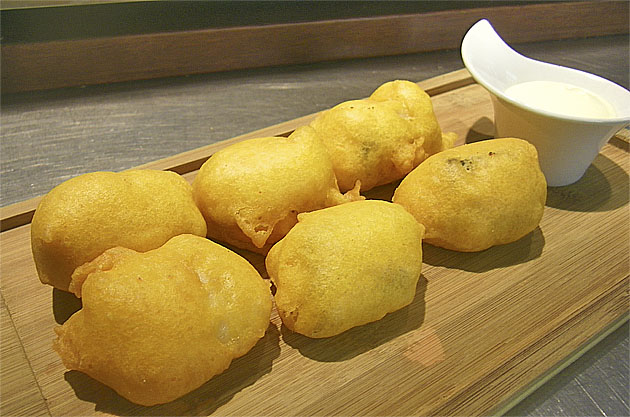 The Sopranis CornerHake hake: They use skeet hake, which is the first-division hake, of which it remains like a sheet. On this occasion the cook Antonio Caramé, who is the pavilion, makes them with rather square and generous pieces. It makes the fish juicy. The rebozado has a creamy point as it uses for its making egg that comes with flour and a very important ingredient of the home cuisine of Cadiz, the beer, which makes the frying swell. In this case it uses the same barrel cross that serve at the place. Among the "pallonists," scholars of the pavia, there is an old discussion about whether it should be taken "exempt" or can be dressed with some sauce. On this occasion the cook accompanies her, but in a separate bowl so that everyone can do whatever they want, from a mayonnaise to the ajillo, another product already difficult to find. In case you are a "free" frying champion, I recommend that you use some piquito to wet in the mayonnaise because it is to fill with it the deposits that Repsol has in Rota. The pavias are one of the highlights of the new letter from La Corquina de Sopranis. |
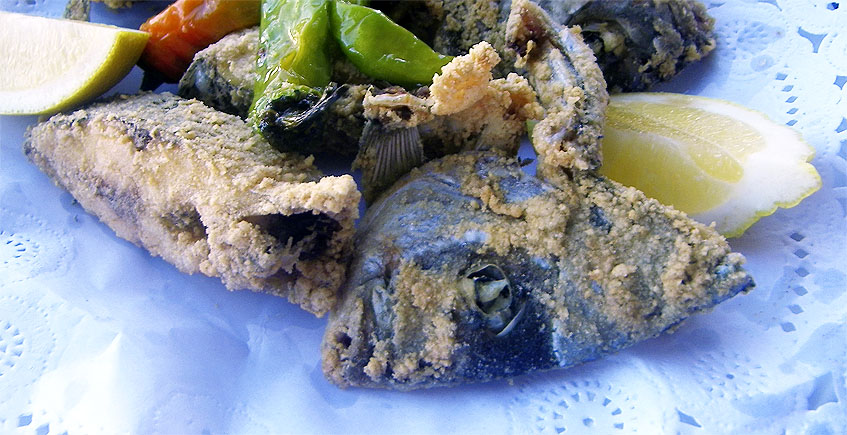 Wind of LevanteIn the restaurant bar of the Club de Pesca Deportiva "Wind de Levante" one can still eat one of those specimens of the seas of Cadiz, the mojarra, a fish of characteristics similar to the golden or the sargo, which was very prestigious at the end of the 20th century but has now fallen much to the detriment of the golden, which is the most present in the hotel. The specimens that serve in this bar, as well as other thorn fish such as the urta, the golden ones, the sargos or the robales are captured by the fishermen themselves that are part of the club so the fish of the bar cannot be cooled. The waiters give you to choose between eating it on the iron or fried and if you choose fried, the whole piece or cut. The fish serve it with the head included, split in half with what you can eat the small coaches and also the meat inside the head, especially juicy. It is accompanied by some fried peppers, which go very well with the fried fish and some pieces of lemon that, of course, do not use. The modesty is charged to the weight. |
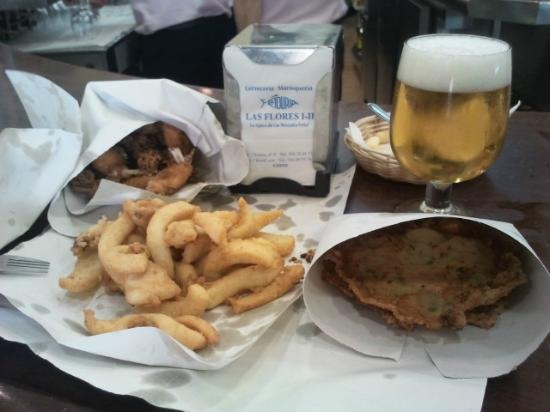 Freiduria Las FloresIt is one of the experiences that anyone who comes to Cadiz must live: eating freidor fish in his stratum paper cartridge and with his hands that is his. The adobo is the star dish of the freidors and this, that of Las Flores, the most famous in the city. |
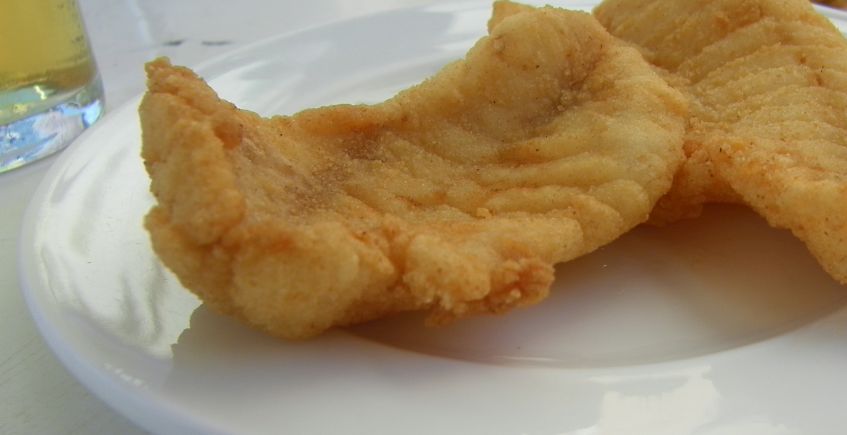 Kiosko The 12 Sons of John I and IIOne of the merits of this bar is virtuosism in the cleaning of fish. This is how they offer fries of fish or perfectly clean chicken fillets. This same virtuosism is seen in these fillets that come to you without any thorns and juices on the inside and crunch on the outside, thanks to the good point of flattening and frying in the three fryers that do not stop working. Most fish buy it on the Cadiz pier itself, where they have a ship, fresh and then carefully clean it and prepare it to fry it in the two kiosks that are usually full of people. While waiting for the parrot fish fillets, the taste of which reminds the rooster, but softer, you can entertain yourself with a little bit of alioli potatoes, of those in which garlic is noticed. The parrot cap is listed at two euros. |
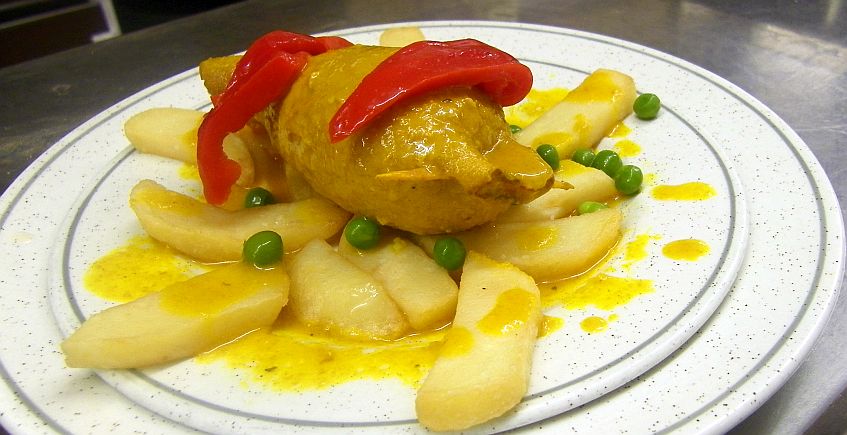 La RamblaIt is a functional decoration bar with a bar, with irresistible tapas exhibitors in sight and a living room where you eat rations, as well as on the terrace. In the bar you can take tapas. The offer of tapas and rations is spectacular and exceeds 70 specialties and is also one of those places where everything is good. One of its most renowned specialties is the stuffed squid... but well filled because it seems that to get into everything they carry they have to use a flattener to get everything tightened. They are served for greater joy accompanied by some French fries and some chicharites. They put in a little chorizo, the squid moustaches, hard egg, ham, a little pot meat, and then to put it all together they use egg and grated bread. All this, like pressure, goes into the squid that closes with a toothstick that, sometimes, of how good it all is, you also want to eat it. They are made in a riojana sauce and serve them, to the taste of the consumer, or whole or already cut to pieces, always with a bed of fries. As the pieces are very variable the cap is sold to the weight, at 38 euros the kilo of stuffed squid, so the cap comes to cost between 3 or 4 euros, depending on the size of the specimen. La Rambla Bar opens every day, except on Tuesday. |
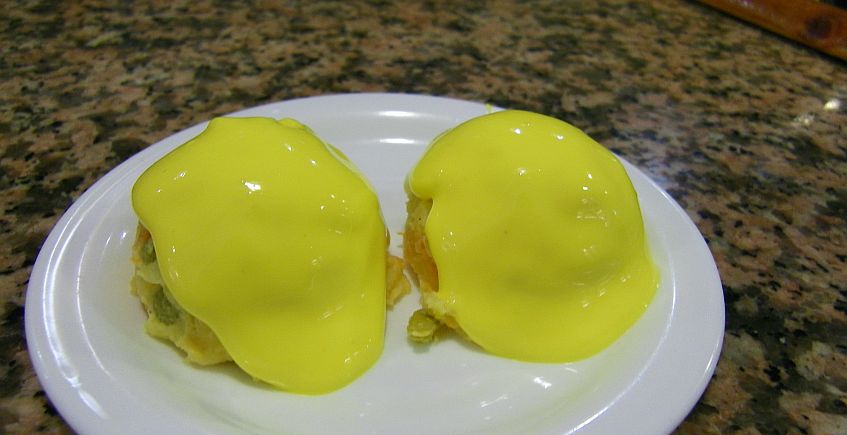 The DovesThe most famous saladilla cap in the city of Cadiz, that of the Las Palomas bar is on the way to the age of 60. |
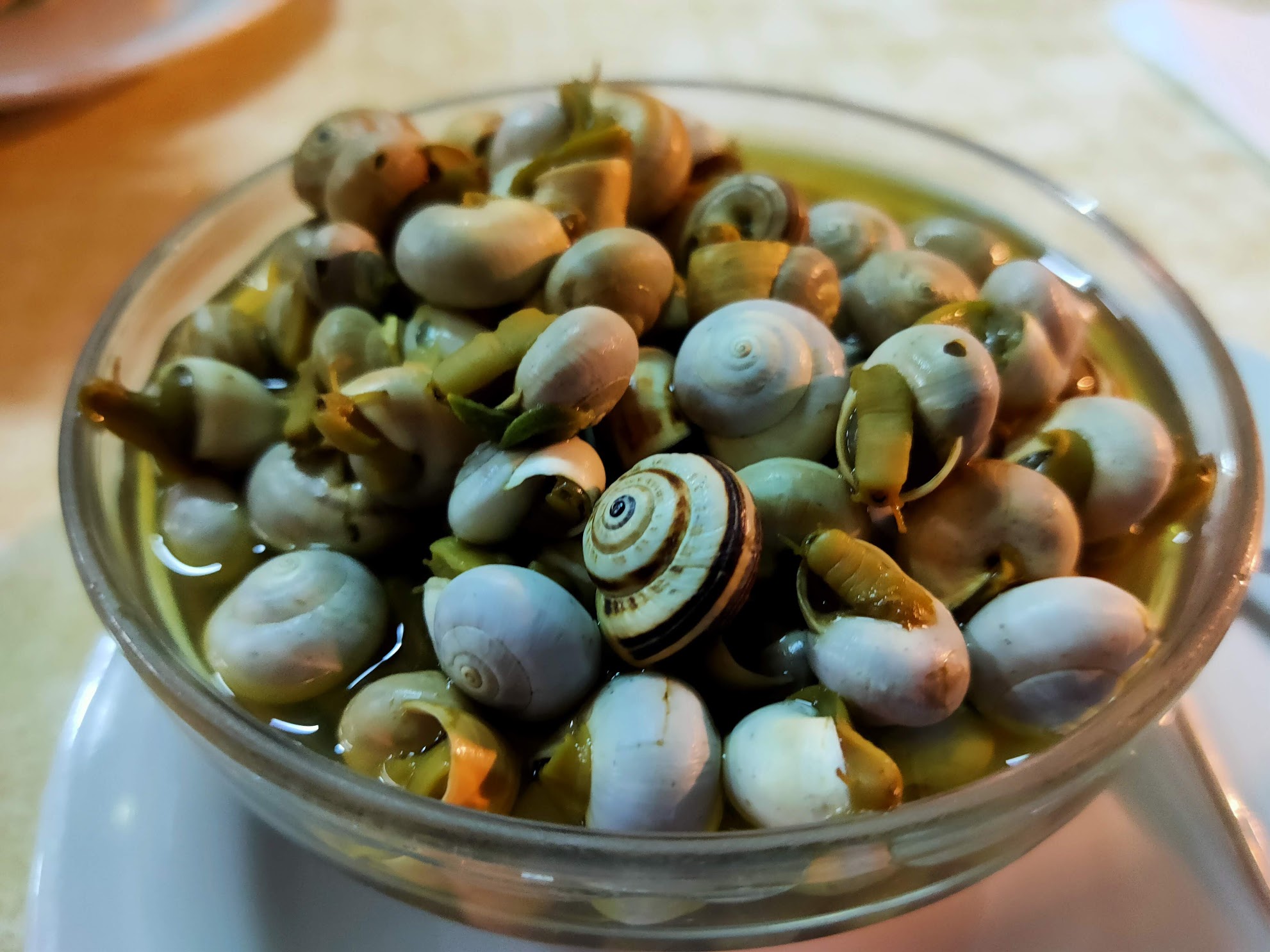 Mari and JoseVery popular establishment in the city especially when the snails season arrives. It has a bar, large interior living room and terrace. You can eat tapas and rations, and also very carefully the menus they offer at noon. In the morning, breakfast too. Also in the same season that snails (from April to June approximately) have tomato goats. Throughout the year the most requested specialties are the spicy bulb, the meat in its juice, the bounce hake or the bounce shrimp. In the morning breakfast with different types of bread. And sandwiches. As a curiosity the establishment publishes daily through facebook its menu of the day. |
The unique location of Cadiz, to the south of everything, gives it a special character. And that is felt in all its cultural manifestations, including gastronomy. Going out of tapas through Cadiz means discovering the thousand and a way to present tuna, the delight of trying good fried fish and the pleasure of good chacinas.
Latitude:36.524512·Longitude:-6.288665