White peoples
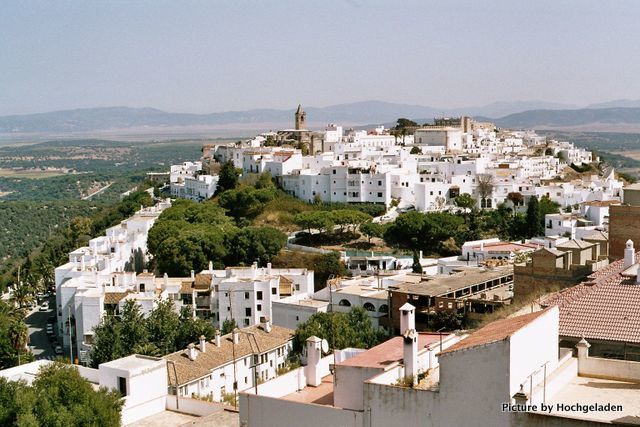 Vejer de la FronteraWhite and on a rocky cliff, like its' border 'peasant peoples, has a strong Arab influence. The original stone doors and the walls of the 15th century appear by the marinated old town, chaired by the restored Arab castle of the 10th or 11th century and by the Church of the Divine Saviour, an architectural marriage of the Mudejar art of the 14th and the Gothic of the 16th century. Near the Plaza de España and its palm trees is the Casa del Mayorazo, from the 18th century, with its patios full of flowers and its ancient atalaya. It is a good idea to visit the market of the Abastos, which is reformed with ingenuity, to take a sherry and tapas that are both classic and creative. Also taste the expert Moroccan-Andalusian cuisine in El Jardín del Califa. |
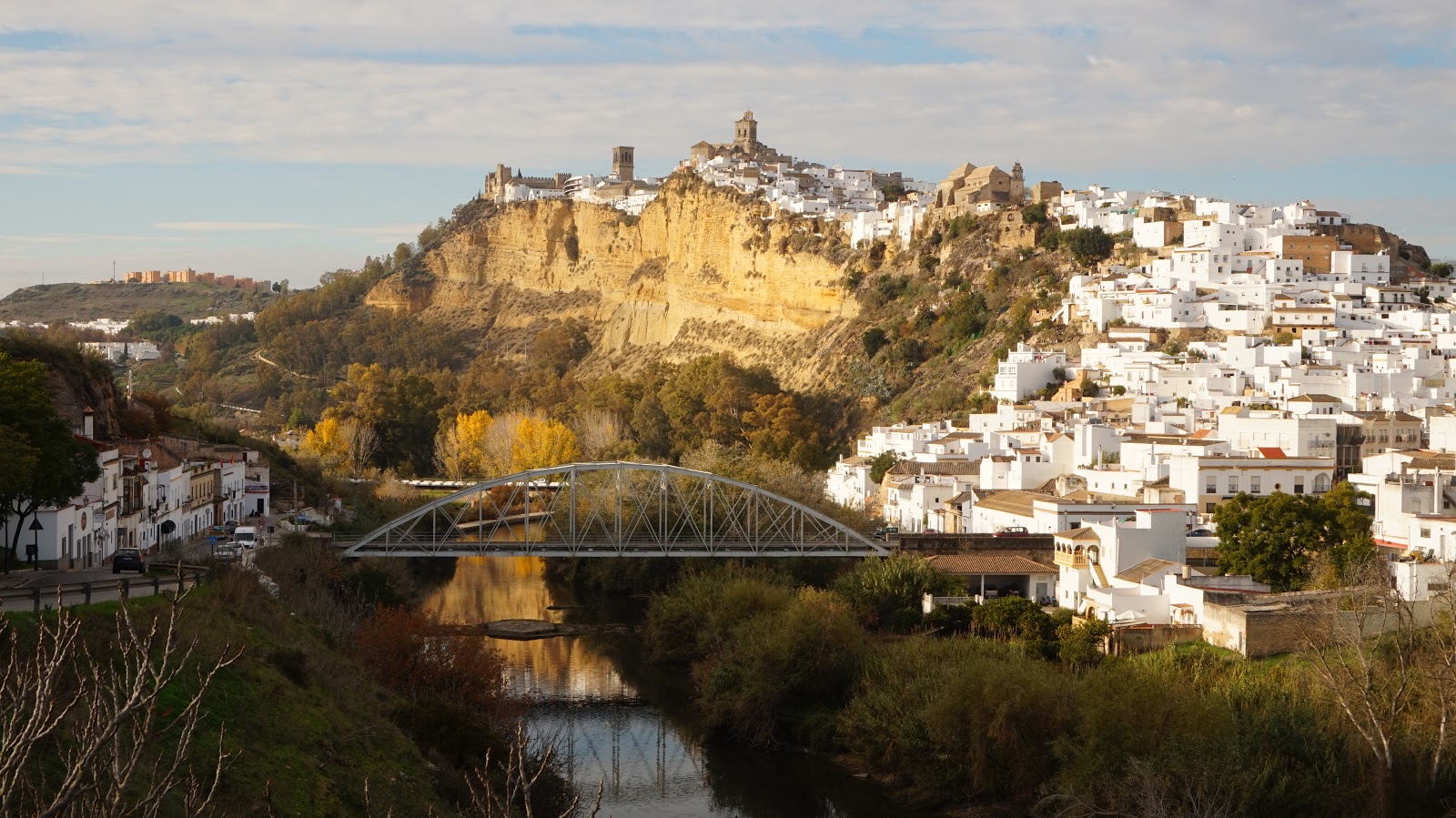 Arcos de la FronteraWhite village on the Guadalete River, extending along a steep cliff. It is nice to walk through the network of narrow and evocative streets of the old town and visit the Plaza del Cabildo. There you will find the luxurious parator, an Arab castle of the 11th century (now closed to the visits) and the dizzy lookout that gives to the Guadalete River. You can visit splendid Gothic-Baroque churches, such as the Minor Basilica of Santa María de la Asunción, and then enter the lively world of the classic Andalusian tapestry bars of Arcos. La Taberna Young Flamencos serves traditional dishes in a contemporary atmosphere between decorative elements inspired by flamenco and bullfighting. |
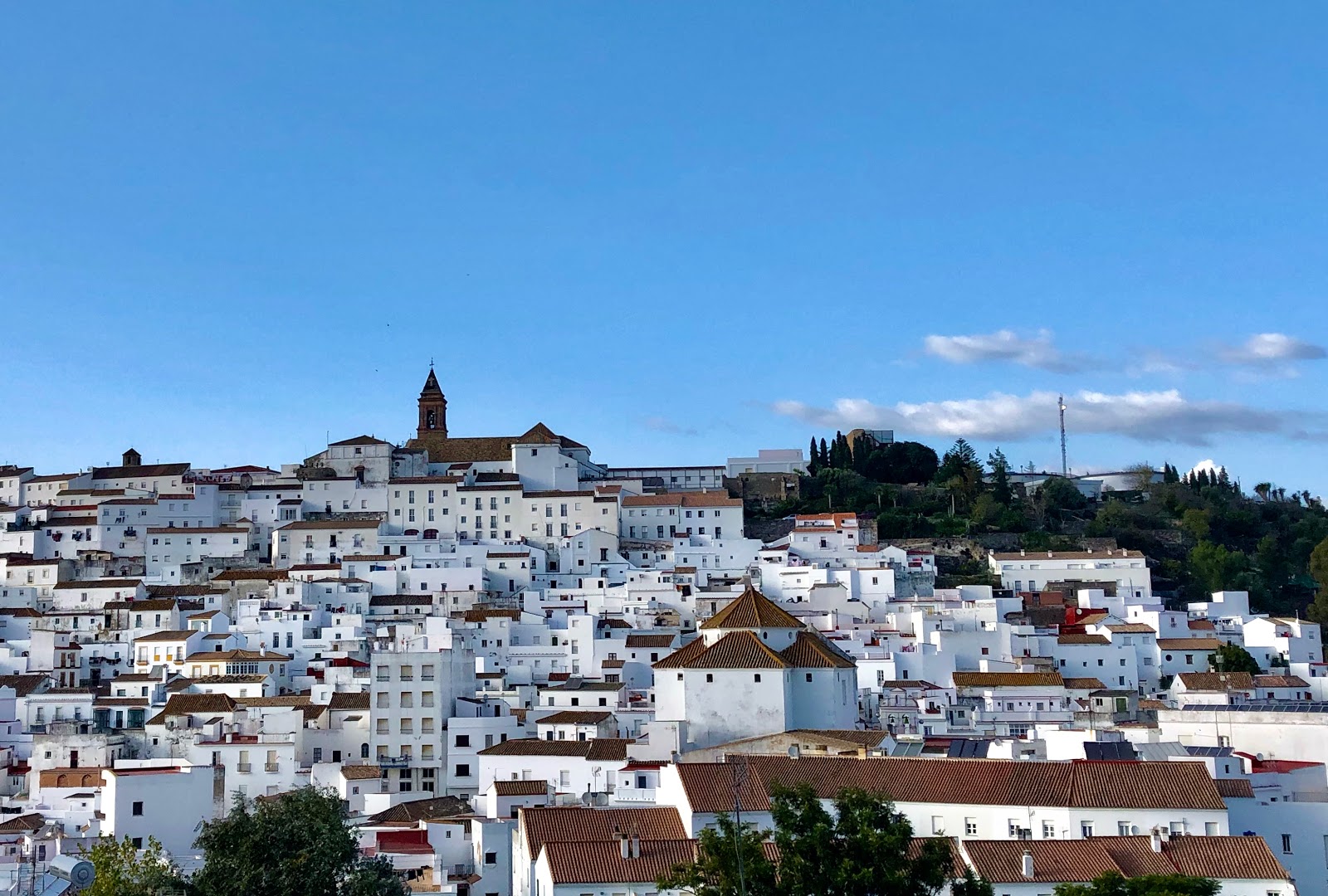 Alcalá de los GazulIt is a beautiful Andalusian city, with steep and watertight streets that lead to large squares, declared Historical Set. It's part of the Toro Road. Alcalá de los Gazul is a good starting point to enter the natural park of the Alcornocales, ideal setting for active tourism activities (hiking, pyragüismo, cycling, horseback riding...). In its interior it is very interesting to take an excursion to the Aljibe saw, to climb to its highest peak from which are seen beautiful panoramic. There are plenty of lambs, deer and different species of birds, vultures and perdicular eagles, among other species. |
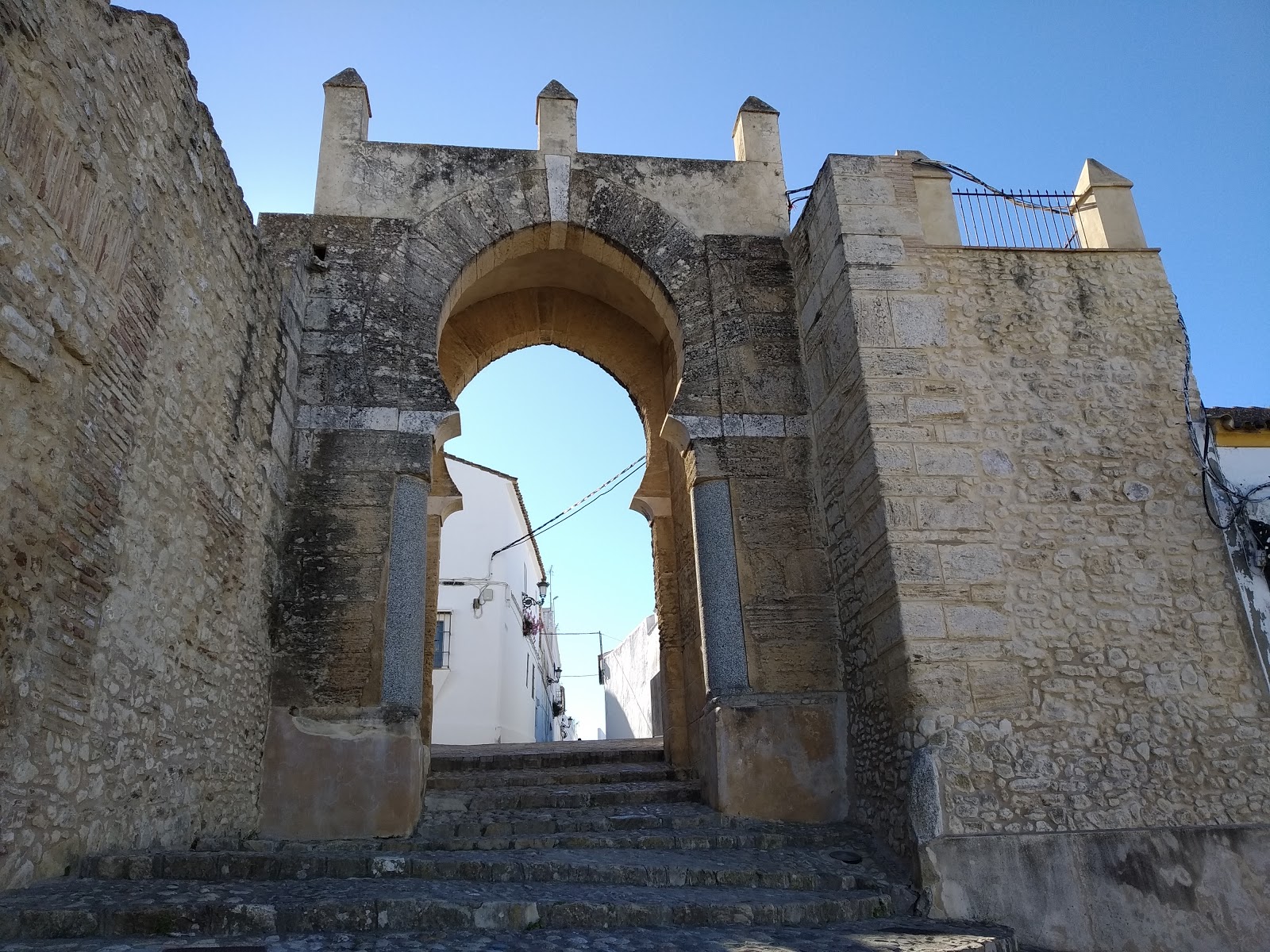 Medina-SidoniaMedina Sidonia has been declared Artistic Historical Set with many reasons. The tracks of his past tribulation are preserved between the streets of this millennial town located on the top of a hill. The oldest duchy in Spain gives the name to this town and that already says enough of what awaits you in terms of cultural, monumental and historical heritage. You can start the visit at the top, on the hill where you will find the ruins of the castle of Roman origins that would later become a Muslim, fortress of the Knights of Santiago and, finally, property of the dukes of Medina Sidonia. The walls of the castle were connected to those of the city and there are still some entrance doors, such as the Puerta del Sol or the Puerta de Belén. Also interesting are the Knights of the Duke of the 15th century and the Arc of the Pastora, which dates back to Muslim times. Roman sewers with a 20-meter tour and some sections of the Roman road are preserved in excellent condition. . |
The so-called White Peoples are thus known for the custom of their neighbours to soften the facades of the houses of an impoluto white. They are scattered between the Serranias de Ronda, the Sierra de Grazalema and Los Alcornocales, in the provinces of Málaga and Cadiz. Here are those in the Alcornocales.
Latitude:36.448105·Longitude:-5.871557