White peoples
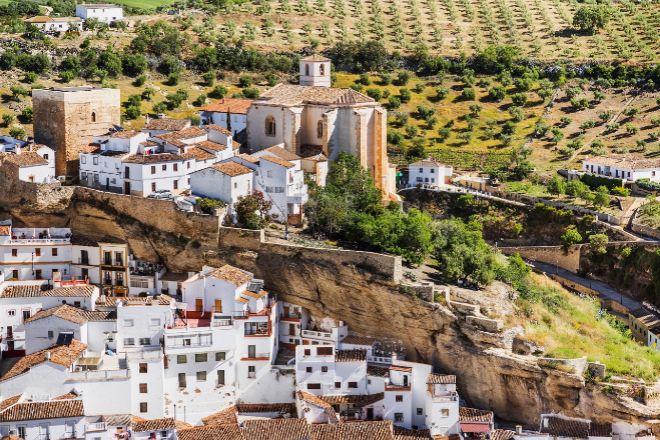 Sethenyl de las BodegasSetenil de las Bodegas is part of the route of the White Peoples of the Sierra de Cadiz and is one of the most picturesque municipalities in all of Andalusia, was born taking advantage of the forms of the canyon created by the Guadalporcún River and its caves and natural recuvecos did not take long to shelter its first inhabitants. They later became houses, and so far, with the castle of the 12th century that is still standing, as well as many of the original houses-cave; some of which have become lively bars and restaurants, especially along the Plaza de Andalucía and the streets Cuevas del Sol and Cuevas de la Sombra. In addition, it belongs to the association of The Most Beautiful Peoples of Spain and is declared as an Artistic Historical Set. |
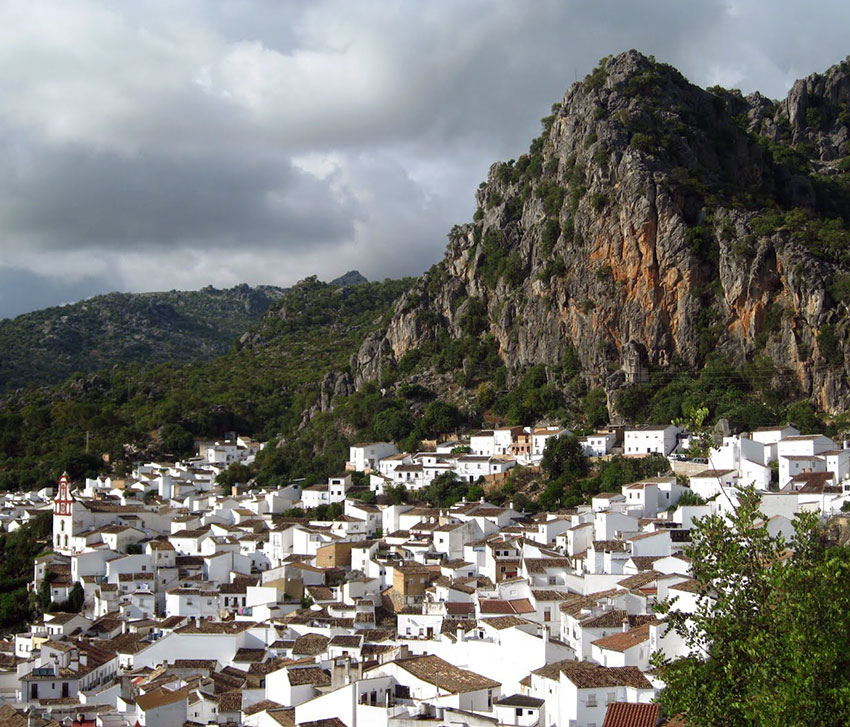 GrazalemaLying on the steep green slopes of the Sierra de Grazalema Natural Park, 50 km east of Arcos, the small Grazalema serves its white village charm with the aroma of the mountain so there are hiking routes in all directions. The white town of Grazalema is famous for its honey, its mountain cheeses and the visiotic sources, as well as its wool blankets, of which you can know almost everything in the Textile Museum. El Torreón Restaurant makes a wonderful traditional mountain cuisine, with local cheeses, chorizo and tagarninas (heart), while La Maroma brings a contemporary touch to the tapas of Grazalema. |
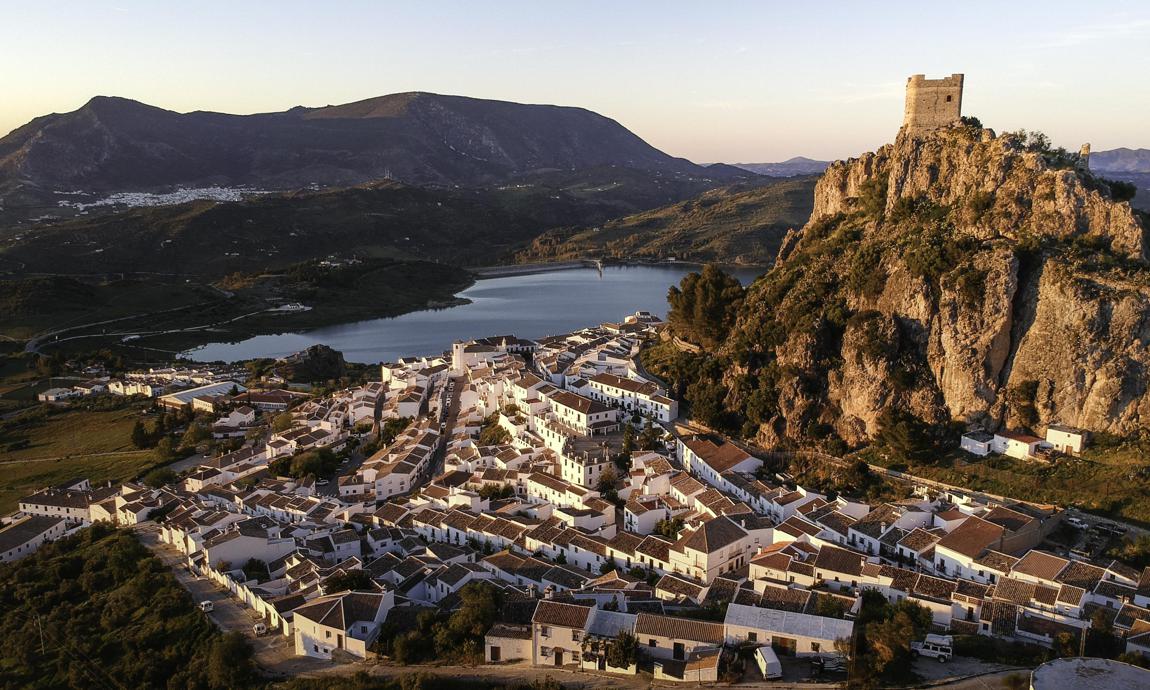 Zahara de la SierraLocated 17 km north of Grazalema, on the Port of the Palomas, 1357 m high, Zahara is located around a high cliff overlooking a reservoir. It is one of the most beautiful white villages in Cadiz. Its streets are full of buganvilia fuchsias, in the shadow of the baroque Church of Santa Maria de Mesa, from the 18th century. Above it is the mashed castle of Zahara, from the 12th century, A good place with terrace and view to rest, is the restaurant hotel El Lago. |
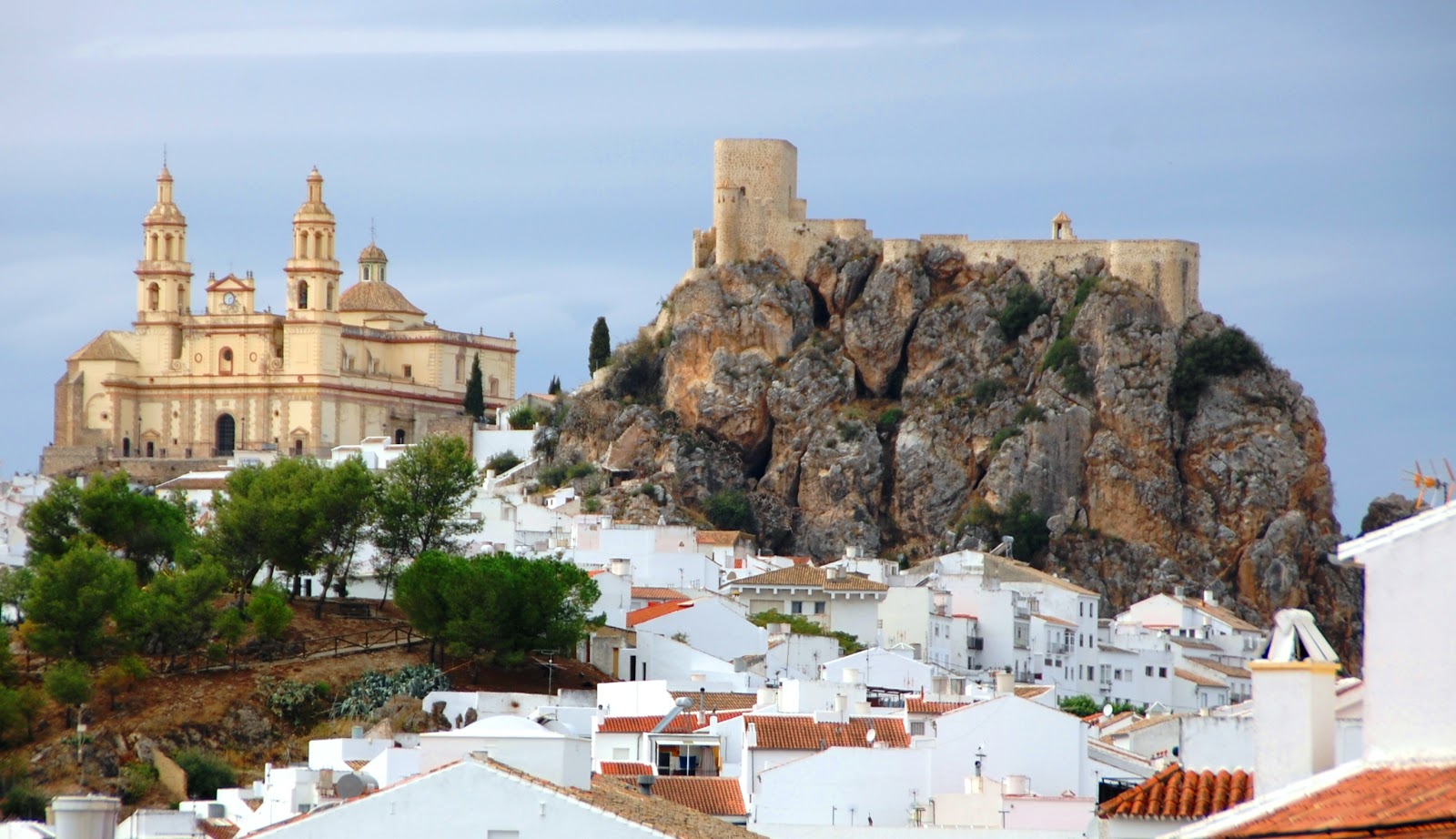 OlveraThe image of the defensive tower and the Church with its two towers with bells that crown the white town of Olvera may be the most famous photograph of the route of the White Peoples of Cadiz. Olvera presents a beautiful and careful architectural set. Special are the albarradillas and silverware of the different neighborhoods, the signor facades on Calle Llana and the receptacles in the interiors of alleys and cantillos. Olvera was declared a historical artistic set in 1983, and among its main points of interest are the churches of Our Lady of the Incarnation (of the 18th century and declared Good of Cultural Interest), that of the Relief (of the Gothic-Mudejar style of the 17th century that was destroyed by lightning in 1945 and rebuilt in 1970), the Sanctuary of Our Lady of the Remedies (the 17th century). We recommend taping through the different bars of the town to taste flaminquins, serrantos, encebolled blood, shoe potatoes and a long et cetera of combinations that we can enjoy. . |
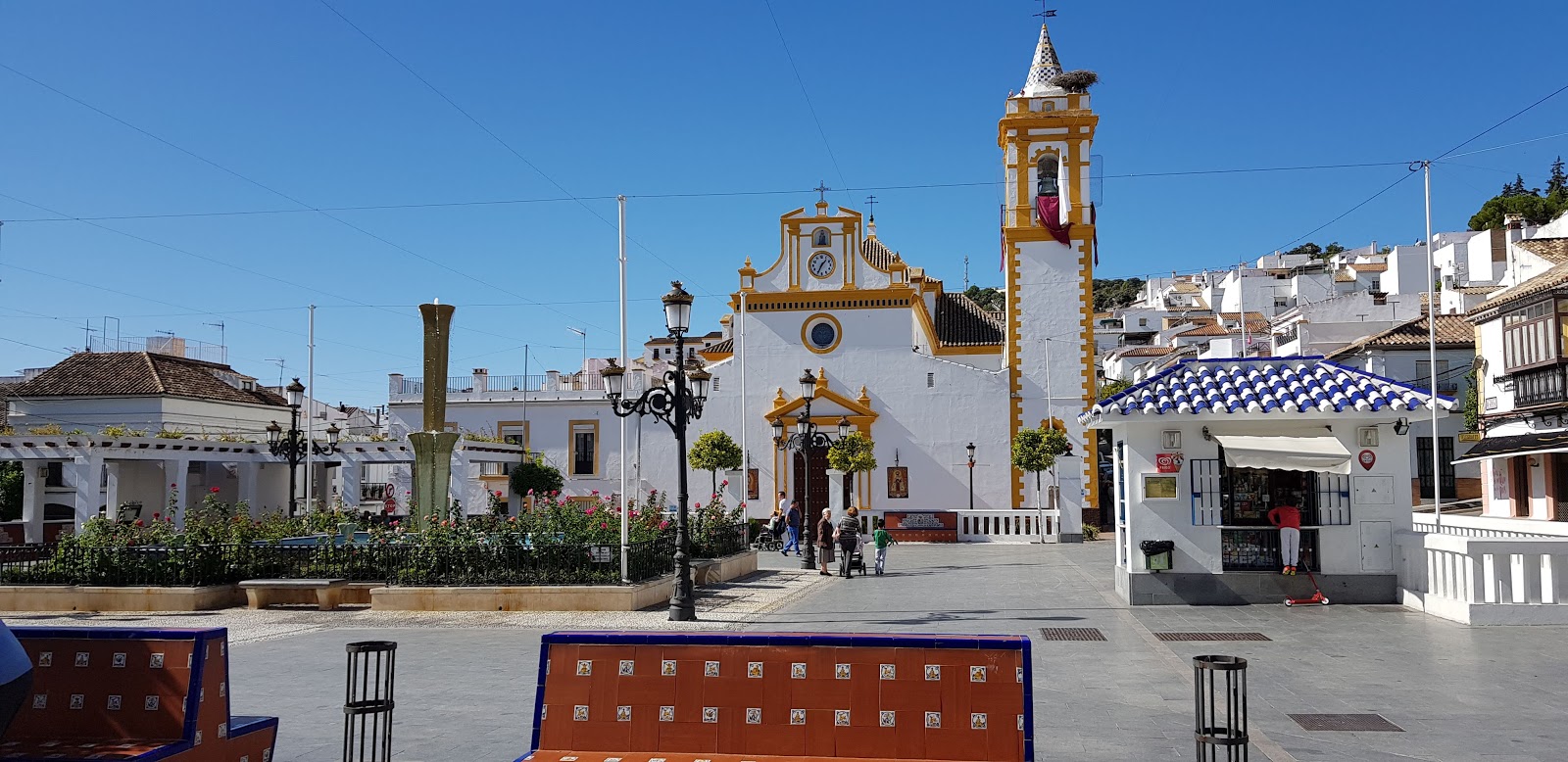 Prado del ReyPrado del Rey, the garden of the Sierra de Cadiz, is a beautiful village that is part of the White Peoples' Route. With Roman roots, it stands out for its artisan Moroccan industry, which is now its main factor of production. In this King's Prado Tourist Guide you will find all the activities and best recommendations for your visit. Prado del Rey sinks its roots in the Roman city of Iptuci, an archaeological site of great interest declared Good of Cultural Interest. Human settlements in this area have been confirmed from the Neolithic to the 15th century. Its most glorious time was the Roman, especially the 1st and 2nd centuries AD. Even so, the Phoenicians already exploited the salins in their surroundings, near the Hortal Head. In its urbanism, similar to the model adopted in the American colonies, it surprises the linear planning of its streets. Perfectly drawn and parallel to each other, oriented from north to south and from east to west and drawing the orographic slopes that characterize a village between small lomas. |
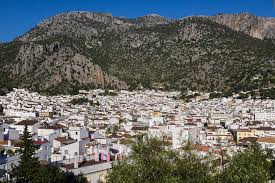 UbriqueIn the convergence of the natural parks of Grazalema and the Alcornocales is Ubrique, declared Historical Set. Its Roman origin is attested by the ancient Roman road between Ubrique and Benaocaz and, above all, by the valuable Ocuri site, with a funeral monument of a columbary type from which there are very few parallels on the Iberian peninsula. The remains of the fortress of Cardela or the castle of Fátima (XII century) have continued from Muslim culture. Its historic centre of medieval layout has narrow streets, picturesque corners, beautiful squares with fountains such as the baroque public source and the Andalusian of the Nine Caños and good examples of the baroque such as the churches of San Antonio, San Juan de Letran and the Convent of Capuchino, turned into a permanent exhibition center "Manos y Magia on the skin." It complements its leisure offer with hiking routes, fishing, hunting or bird watching sites and the vibrant Rally Up to Ubrique. |
The so-called White Peoples are thus known for the custom of their neighbours to soften the facades of the houses of an impoluto white. They are scattered between the Serranias de Ronda, the Sierra de Grazalema and Los Alcornocales, in the provinces of Málaga and Cadiz. Here are those in the Sierra de Grazalema.
Latitude:36.689707·Longitude:-5.539586