Tourist visits
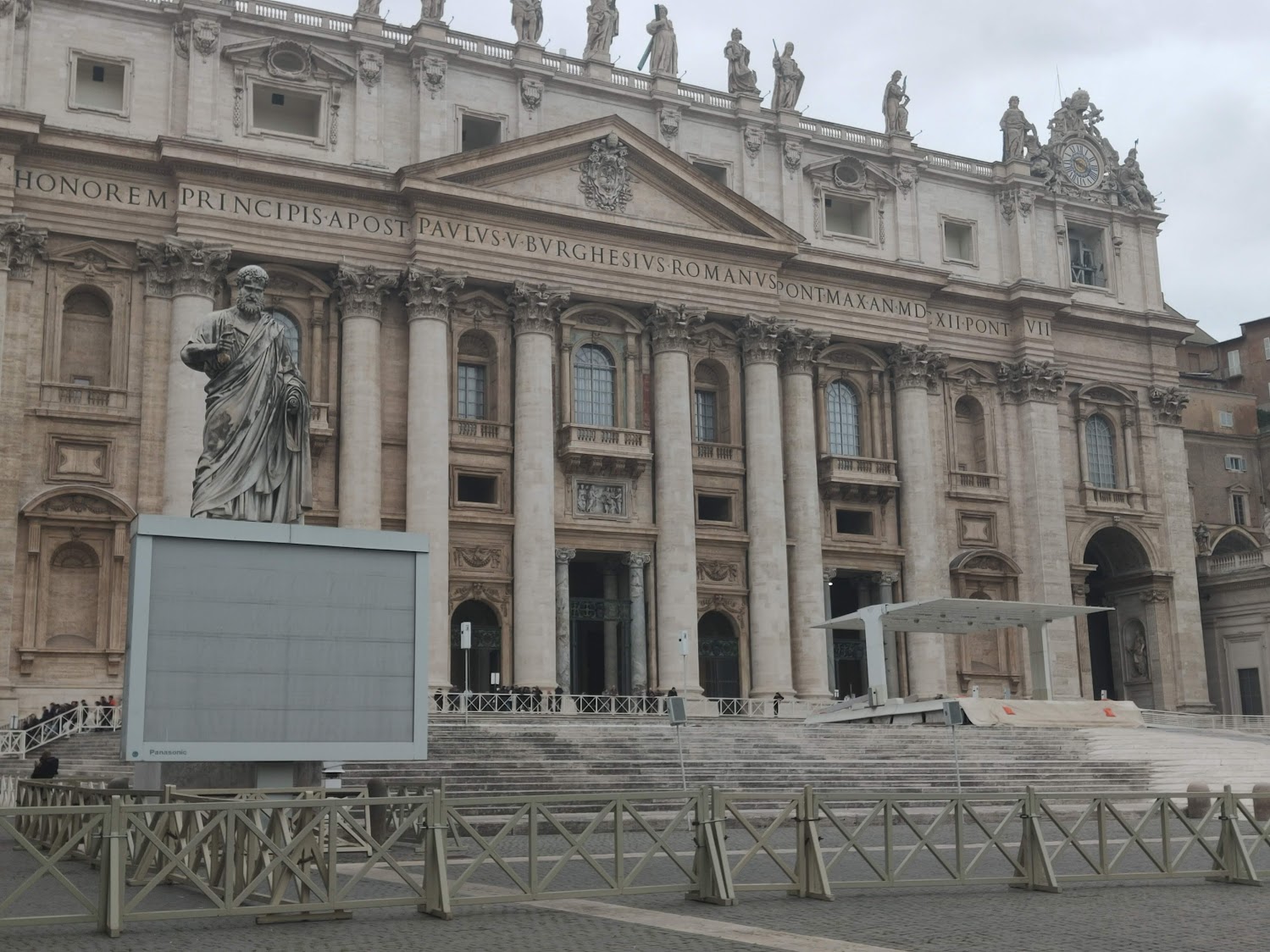 St. Peter's Basilica4.8The Basilica of San Pedro is one of the most visited attractions in Rome, and the best of all: the entrance is completely Free!. Inside you will find many works of art that you cannot lose: as "The Piety" of Miguelangel. Since you are here, you can also visit the Tomb of the Popes free of charge; The entrance is on the right of the Basilica. |
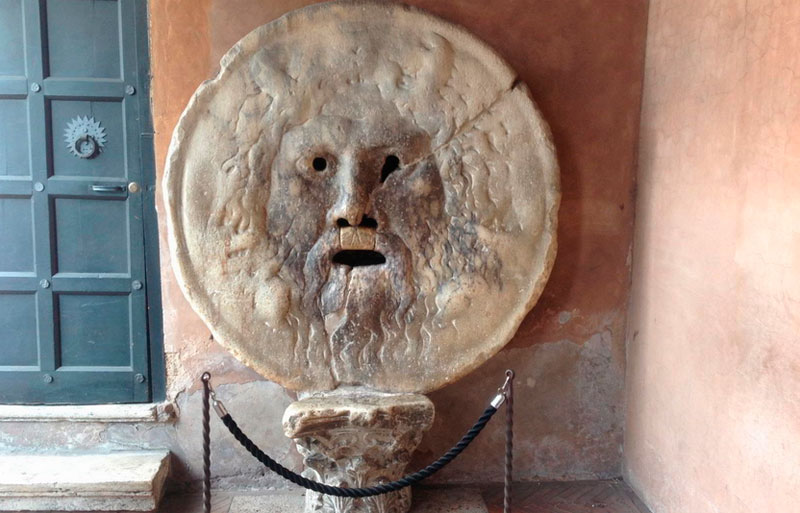 Bocca della Verità4.2The Boca de la verto, in Italian the Boca della verità, is a great ancient sculpture of the god of the rivers that is located at the entrance of the Church of Santa Maria in Cosmedin. The legend says that if you tell a lie while you put your hand in the statue's mouth, you will lose your hand! The photo with the hand in the Boca de la truth is one of the most typical photos to do in Rome. It is quite easy to reach from Plaza Venice, on foot or by bus. It's very close to Tiberina Island. . |
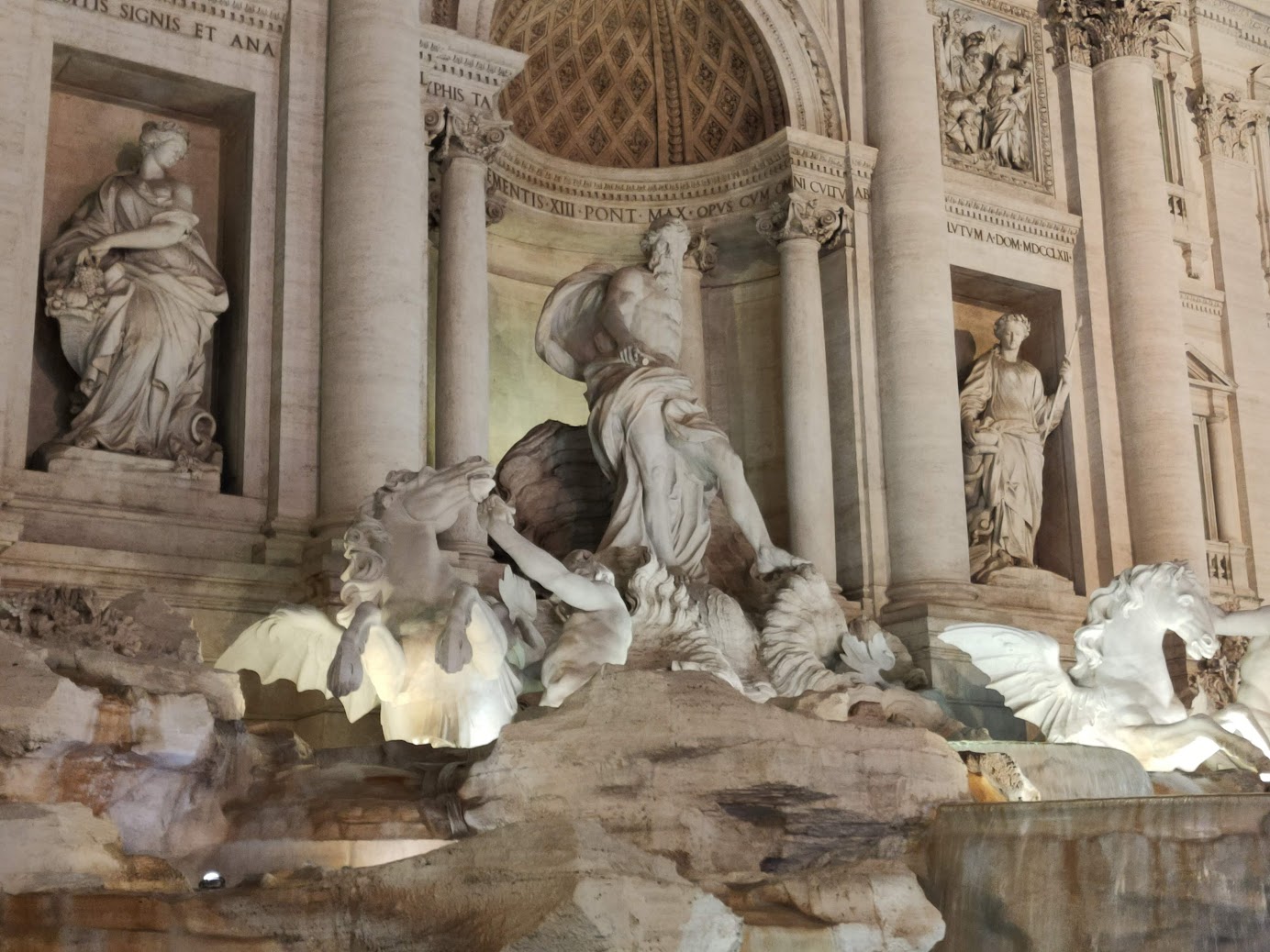 Fontana di Trevi4.8The Trevi Fountain is one of the most visited and charming attractions in Rome. It is located in the heart of the city, open 24 hours a day. It's always full of people who won't let you enjoy it to the maximum. The best thing is to see her early in the morning, or late in the night. Legend says if you throw a coin in its waters, you'll return to Rome. |
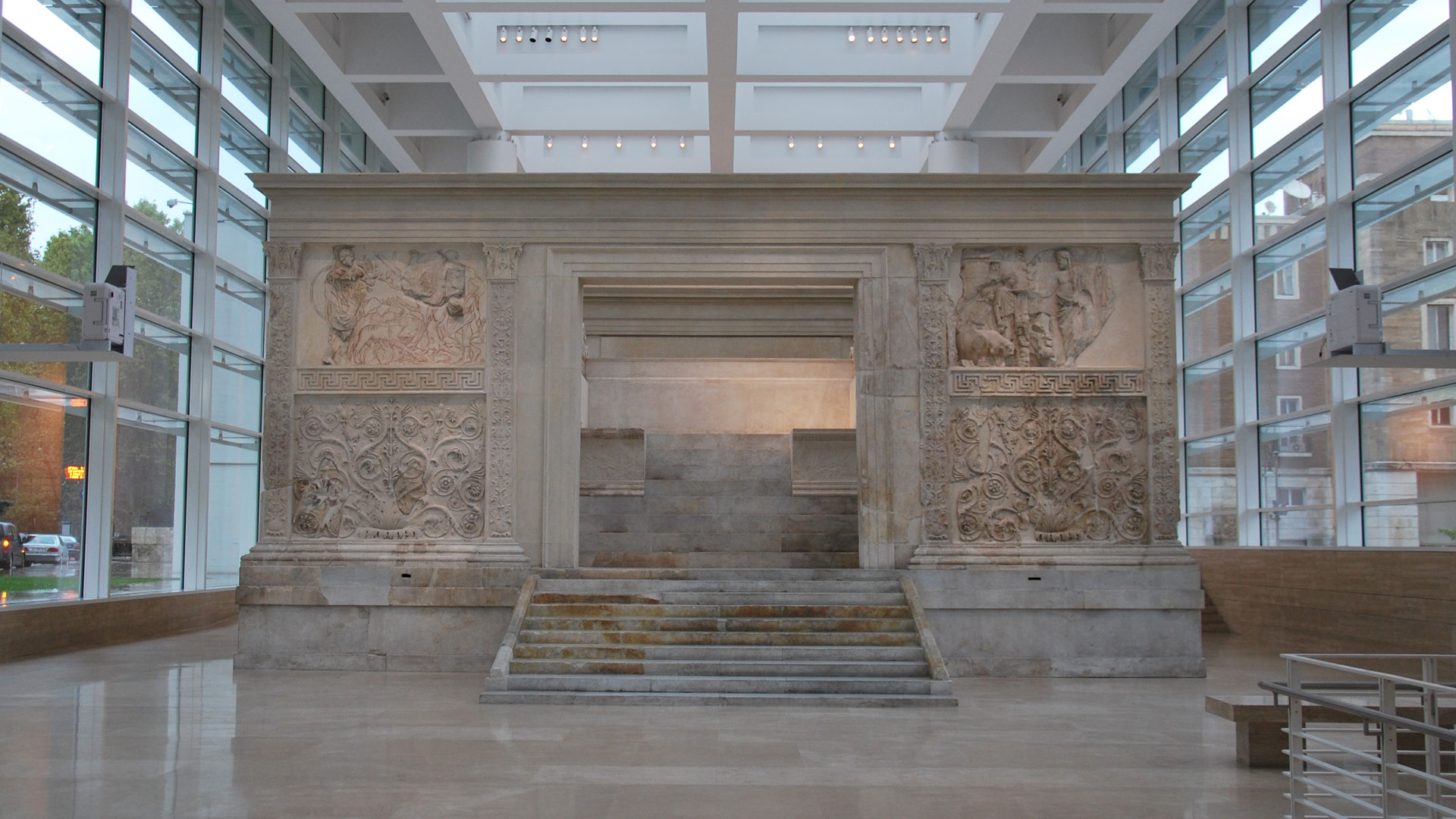 Dell'Ara Pacis Museum4.5The Ara Pacis is a commemorative monument erected between the 13 and 9 BC for the celebration of peace in the Mediterranean following the victorious battles of the Emperor Augusto in Hispania and the Galia. The Ara Pacis Museum, as a monument, is one of the most important examples of the art of the time of Augustus and is intended to symbolize the peace and prosperity achieved as a result of the "Roman Peace" The altar is the real protagonist of the Ara Pacis Museum. Built in carrera marble between the 13th and 9th centuries BC, it has dimensions of 11.65 mt x 10.62 mt side and 3.68 mt height. . |
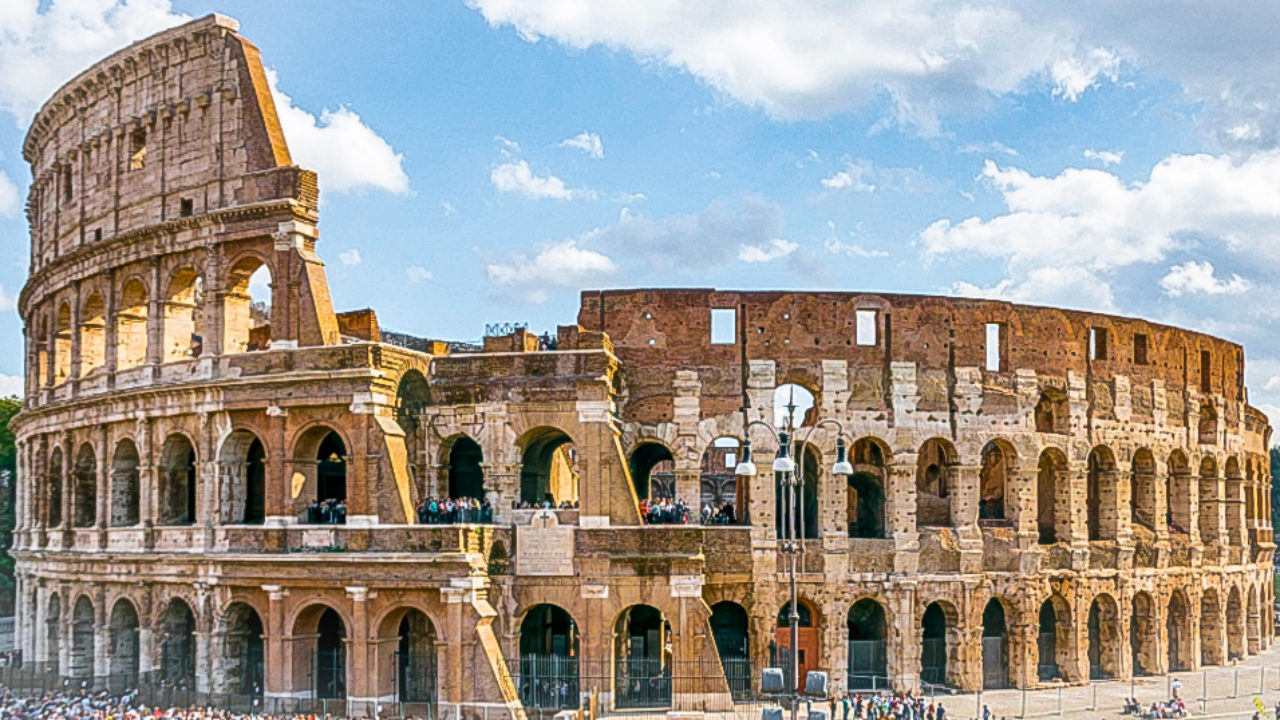 The Colosseum4.8In the heart of Rome, next to the Forum and Mount Palatino, the Roman Coliseum has been rising for more than two thousand years. Its construction began under the command of the Vespasian Emperor, between the 1970s and 72 BC. C. From that moment on, he became the largest amphitheater in the history of the Roman Empire. It had 80 entry arches, allowing access to 55,000 people who were placed according to their social rank. The emperor and other members of the high society sat as close to the sand as possible. As the stands were moving away from the sand, the social range of the spectator was descending. Within the Roman Coliseum, gladiator struggles and animal fights were held, even to fight to life or death animals and people. It is estimated that between 500,000 and 1,000,000 people were killed in these shows. Even after the fall of the Roman Empire there continued to be shows until the 6th century, so it was operational for more than 500 years. . |
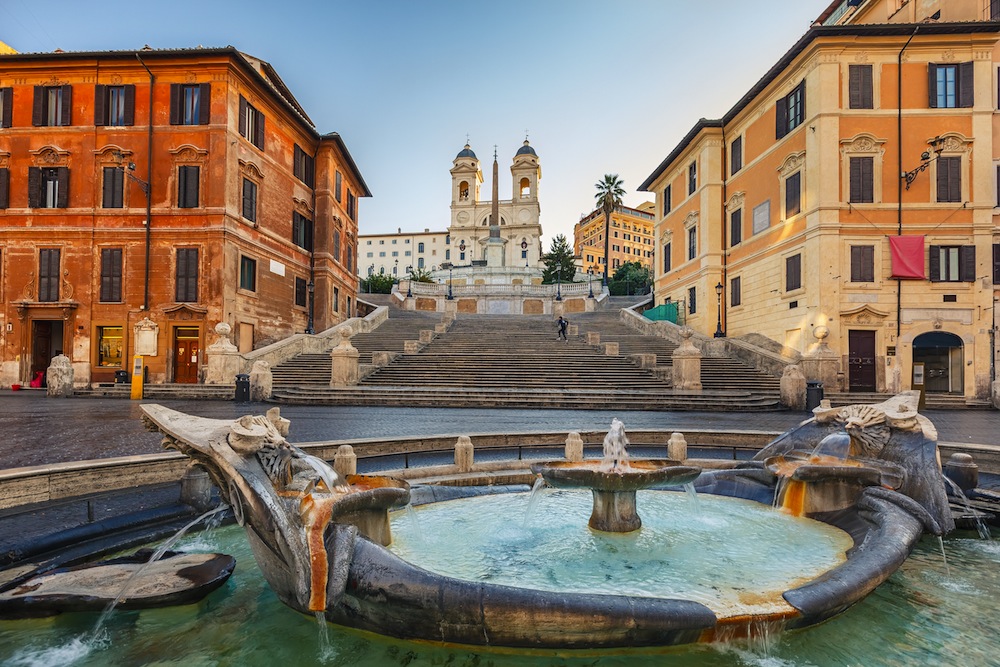 Plaza de España4.7The square of Spain (in Italian Piazza di Spagna) is one of the most famous squares in Rome. It takes its name from the Palace of Spain, the seat of the Spanish embassy to the Holy See and the Order of Malta. In the square stand out the well-known staircase that goes up to the church of Trinità dei Monti and the Baroque Fuente de la Barcaza. |
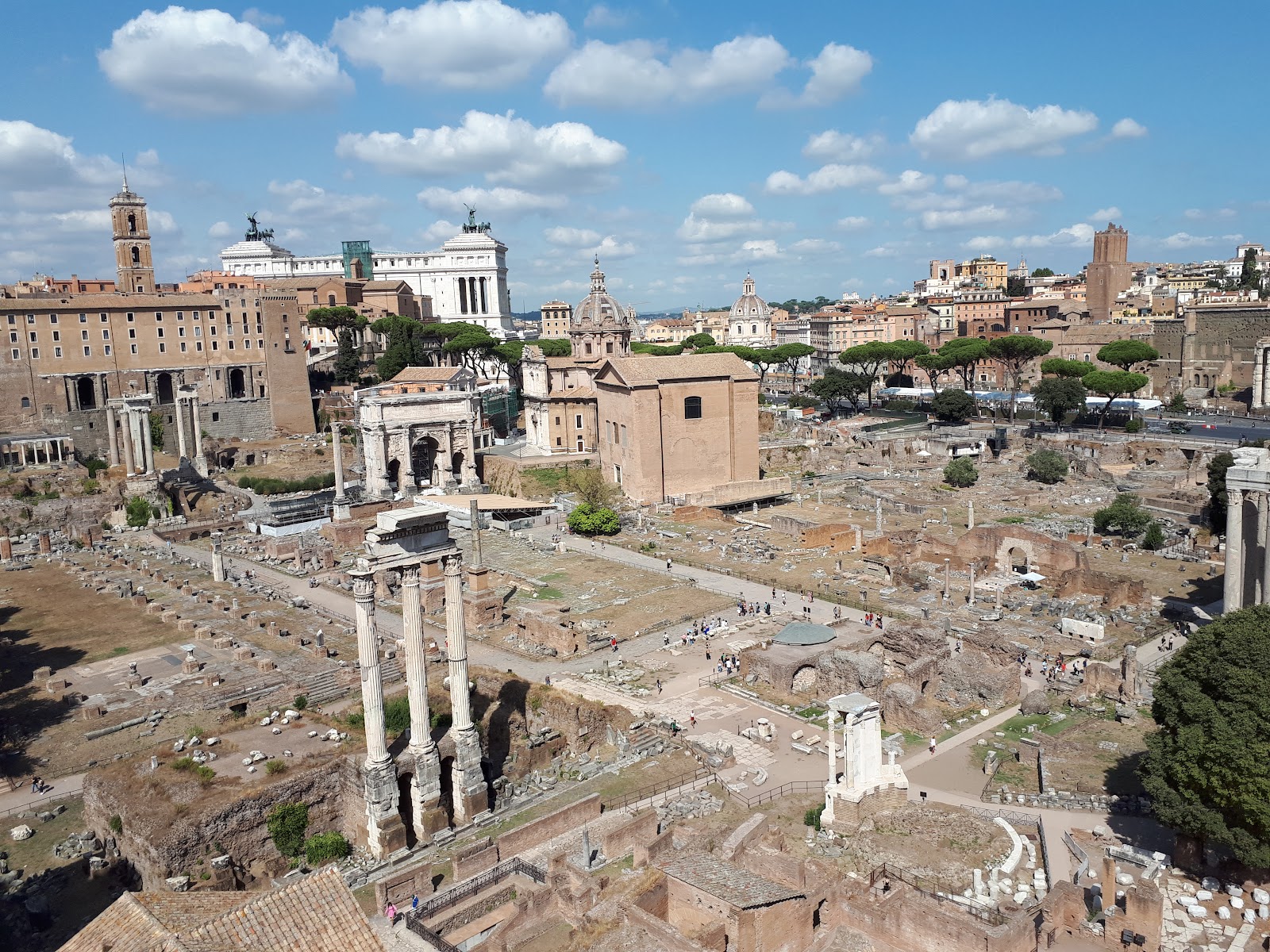 Roman Forum4.7The Roman Forum was the area in which public and religious life was developed in ancient Rome. The Forum, together with the Coliseum, is the greatest sign of the greatness of the Roman Empire that can be seen today. At the end of the Empire, the Roman Forum was left in oblivion and gradually buried. Although the existence and location of the Forum was already known in the 16th century, it was not until the 20th century that the excavations were carried out. In addition to the large number of temples in the forum (Saturn, Venus, Romulus, Vesta, etc.), special attention should be paid to the following points of interest: - Via Sacra: It was the main street of ancient Rome and communicated the Plaza del Campidoglio with the Coliseum. - Arch of Titus: It is an arch of triumph that commemorates the victory of Rome over Jerusalem. It was built after the death of Emperor Tito. - Arc of Severo 7: Arc erected in 203 AD to commemorate the third anniversary of Severo 7 as emperor. - Temple of Antonino and Faustina: Built in the second century, the temple of Antonino and Faustina stands out as the best preserved temple of the Roman Forum. - The Basilica of Majencio and Constantine: Although it is mostly melted, its size gives reason to think it was one of the most important buildings of the Roman Forum. - La Curia: In this building the Senate met to make administrative decisions and about the Government of Rome. Column of Focus: Erigida in the year 608 AD in honor of the Emperor of Byzancio, this column more than 13 meters high is one of the few that have remained standing since it was erected. |
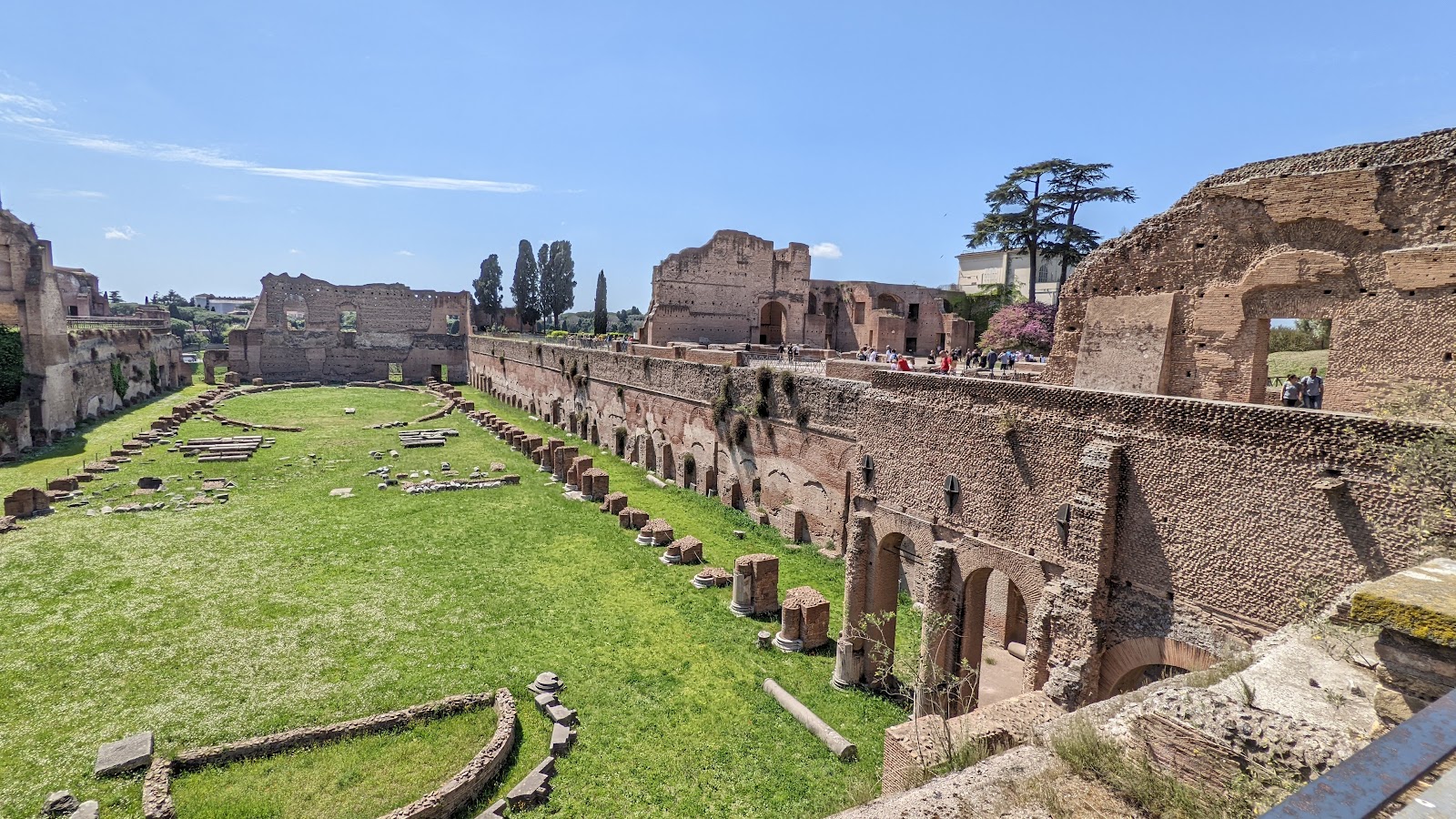 Mount Palatino4.7Located 40 meters above the Roman Forum, Mount Palatino is the most central of the seven hills of Rome and is one of the oldest parts of the city. In the Palatino you can see infinity of the remains of the imposing buildings that were built for the high Roman society in the Antiquity. Although the whole is impressive, these are some of the points that deserve special attention: - Domus Flavia: The splendid Domus Flavia palace was built in 81 BC on the order of the Domician Emperor to be used as an official and public residence. At present you can still see some parts of the extensive construction. - House of Livia: This modest-looking house built in the 1st century BC, is one of the best preserved buildings in the Palatino. It is still possible to glimpse the remains of the mosaics and frescoes that once gave joy to the ceilings and walls. - Casa de Augusto: Built as the private residence of Octavio Augusto, the house built on two levels still retains much of the precious and colorful fresh that decorated its walls. - Farnesian Gardens: Projected in the mid-16th century on the ruins of the Tiberio Palace, the Farnese Gardens were one of the first botanical gardens to be created in Europe. - Domician Hipodrome: Dated with the appearance of a Roman circus, it is not known for certain whether the stadium was designed for the performance of foot racing, or to be used simply as a garden. - Palatino Museum: This small museum presents the different findings made during excavations carried out in the Palatino. It contains sculptures, frescoes, mosaics and other objects belonging to the time of splendor of the Palatino. From the Palatino you can get the best views of the Roman Forum from the heights. The Palatino is a very nice place to walk calmly, walking under the shade of the trees as many of the corners of ancient Rome are traveled. It is appropriate to reserve half a day to visit it, as between the Roman Forum and the Palatino they cover a very wide area in which each area is of great interest. . |
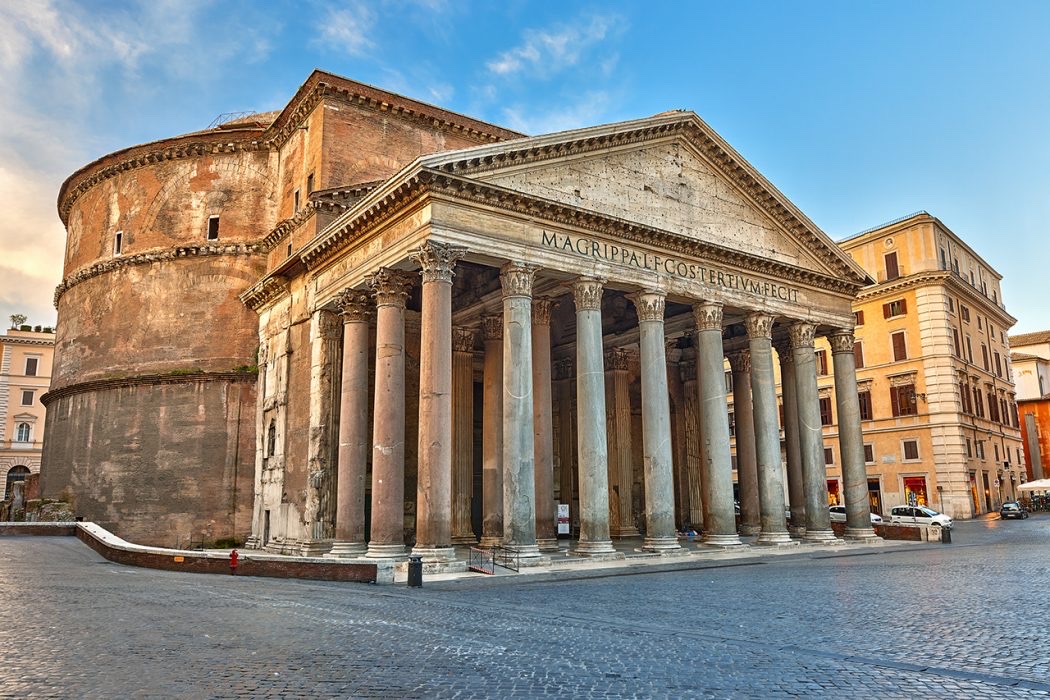 Panteon of Rome4.8The Pantheon of Rome is the best preserved architectural work of ancient Rome and one of the masterpieces of the architecture of the Italian capital. The Pantheon of Agrippa, also known as the Pantheon of Rome, is one of the masterpieces of the architecture of the Italian capital. It is the best preserved building in ancient Rome. The construction of the current Pantheon was carried out in the time of Adriano, in the year 126 AD The name of Agrippa is given because the place where the current building is built was previously occupied by the Pantheon of Agrippa, built in the year 27 BC, which was destroyed by a fire in the year 80 AD. At the beginning of the 7th century the building was donated to Pope Boniface IV and it was transformed into a church, and it now presents a perfect state of conservation. What is most surprising about the Pantheon architecture are its measurements: the circular building measures exactly the same in diameter as in height: 43.30 meters. The dome, with the same diameter, is greater than that of the Basilica of St. Peter. In the center of the dome, a 8.92-meter-diameter bone opens, allowing natural light to illuminate the entire building. The rectangular facade, which hides the huge dome, is composed of 16 columns of granite 14 meters high, on which you can see the inscription "M.AGRIPPA.L.F.COS.TERTIVM.FECIT," which means "Marco Agrippa, son of Lucio, consul for the third time, did so." Inside the Pantheon are the tombs of numerous kings of Italy and many works of art. The most well-known character in the Pantheon is undoubtedly the Renaissance painter and architect Rafael. You can enter the Pantheon for free. For security reasons there are controls at the entrance that usually create a little row, but it moves quite quickly. There's also a capacity limit, so during the summer they could wait a little to get in, but it's worth it. It is always a good idea to find an accommodation with views of the Pantheon, to enjoy it to the maximum at all times of day and night. |
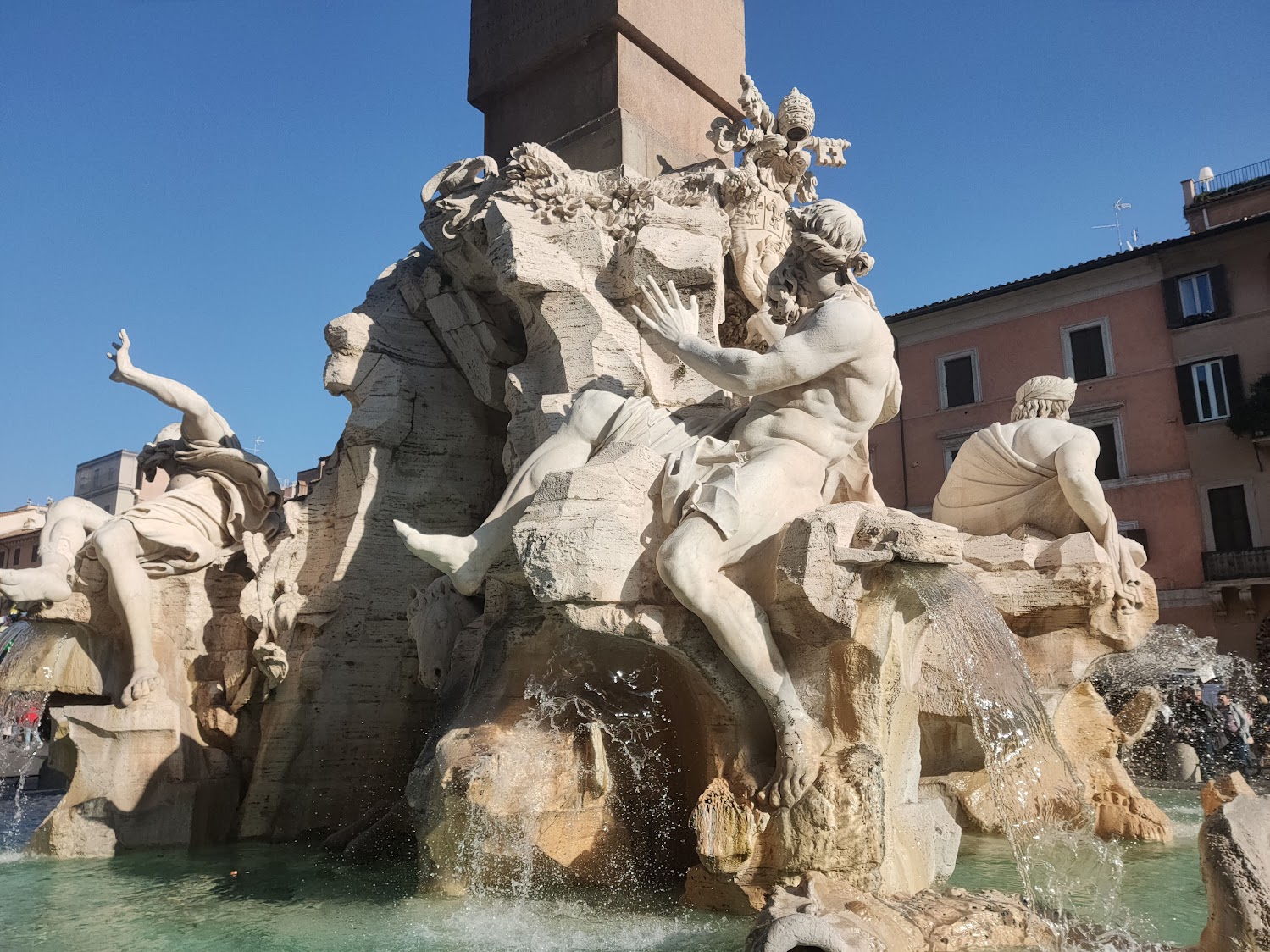 Plaza NavonaThe Navona Plaza is one of the most beautiful squares in Rome. In its center is the famous fountain "of the 4 rivers" of Bernini, one of its best tourist attractions. The Plaza is also overrun by painters who show their works of art in the middle of the Plaza, which makes it so picturesque that it causes to spend a lot of time admiring it. There are also often many street musicians and artists who give up the even more magical square. Also during the Christmas parties, street artists can attend the Christmas market. It's an important point to live in Rome. |
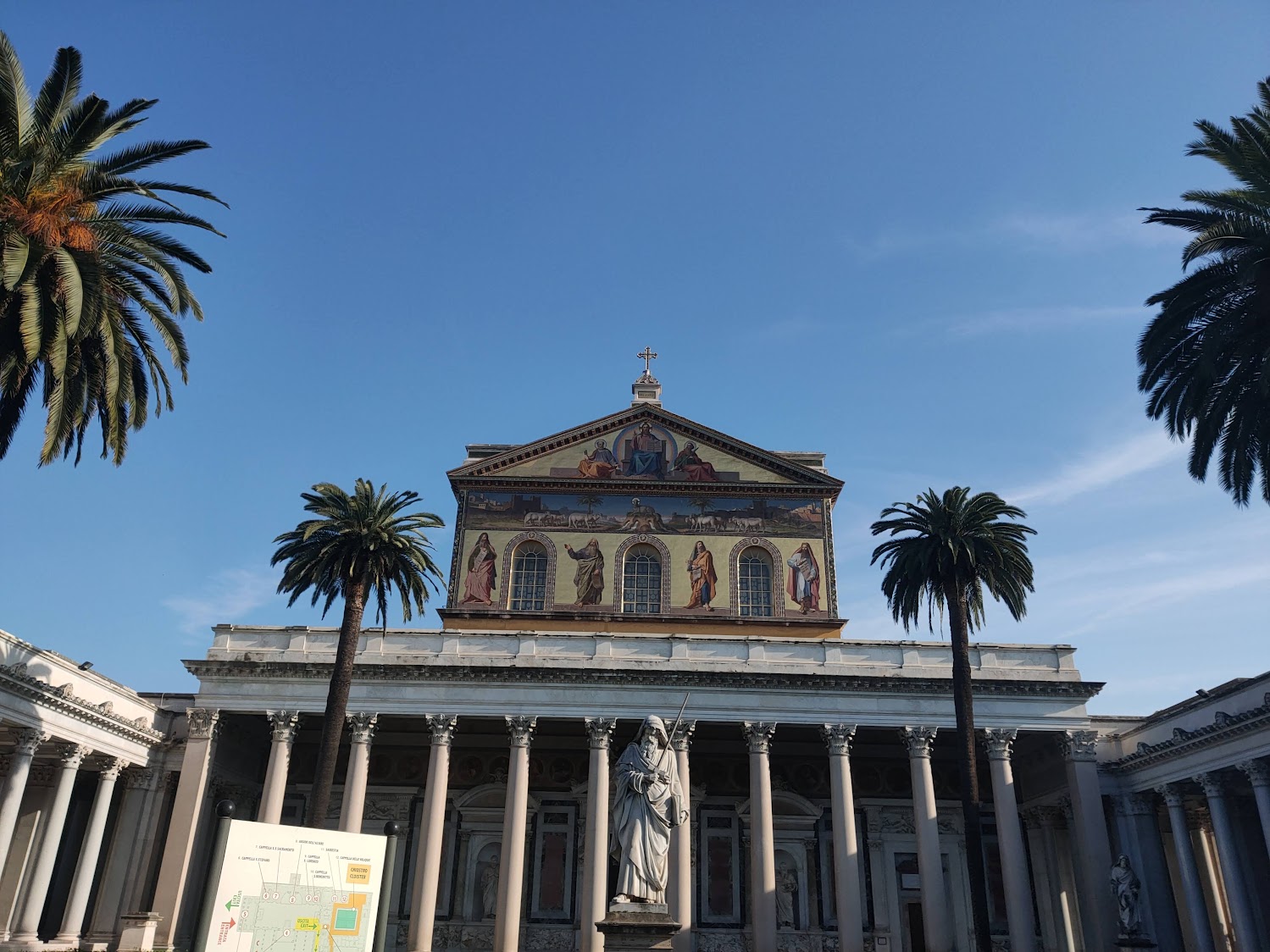 St. Paul's Basilica Extramuros4.8It is the largest Church in Rome (after the Basilica of St. Peter in the Vatican). It is built on the tomb of the Apostle Paul, contains many colorful mosaics that show representations of Saints. Interesting of this church are the images that represent all the potatoes that have existed, and only the image of the current pope is illuminated. Very beautiful are also the gardens and the cloisters of the church. . |
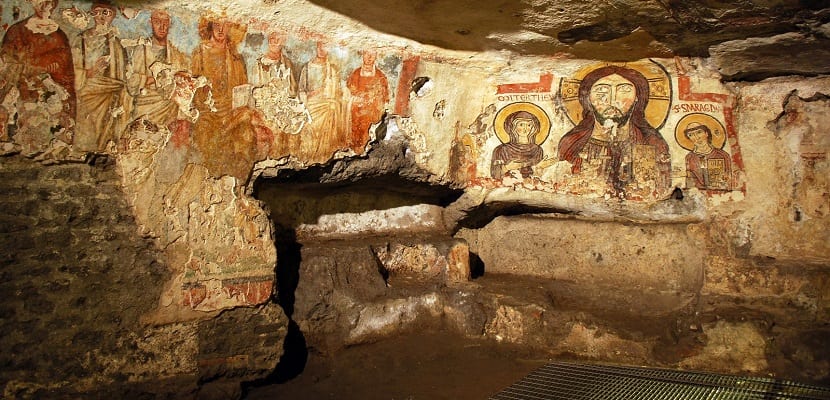 Calyxto catacombs4.6The Catacombs of San Calixto are the best known in the Eternal City. In fact, they are the oldest Christian cemetery in Rome. In spite of this the section of the Appia that hosts them does not have many connections to the rest of the city. This, and being in a protected green area, makes us enter into a Rome that seems to hide, immerse itself in its nature. The Catacombs of San Calixto are famous for being the largest in Rome (they have 20 kilometres of tunnels spread over different floors) and for hosting the crypt of the Popes (which previously housed the graves of several Popes from the 2nd to the 4th century AD). However, at present you will not find osaries or human remains in the Catacombs of San Calixto, since during the barbarian invasions of the 8th century AD there were many looting in the catacombs and the Popes decided to move the relics that were preserved there to the different churches of the city. . |
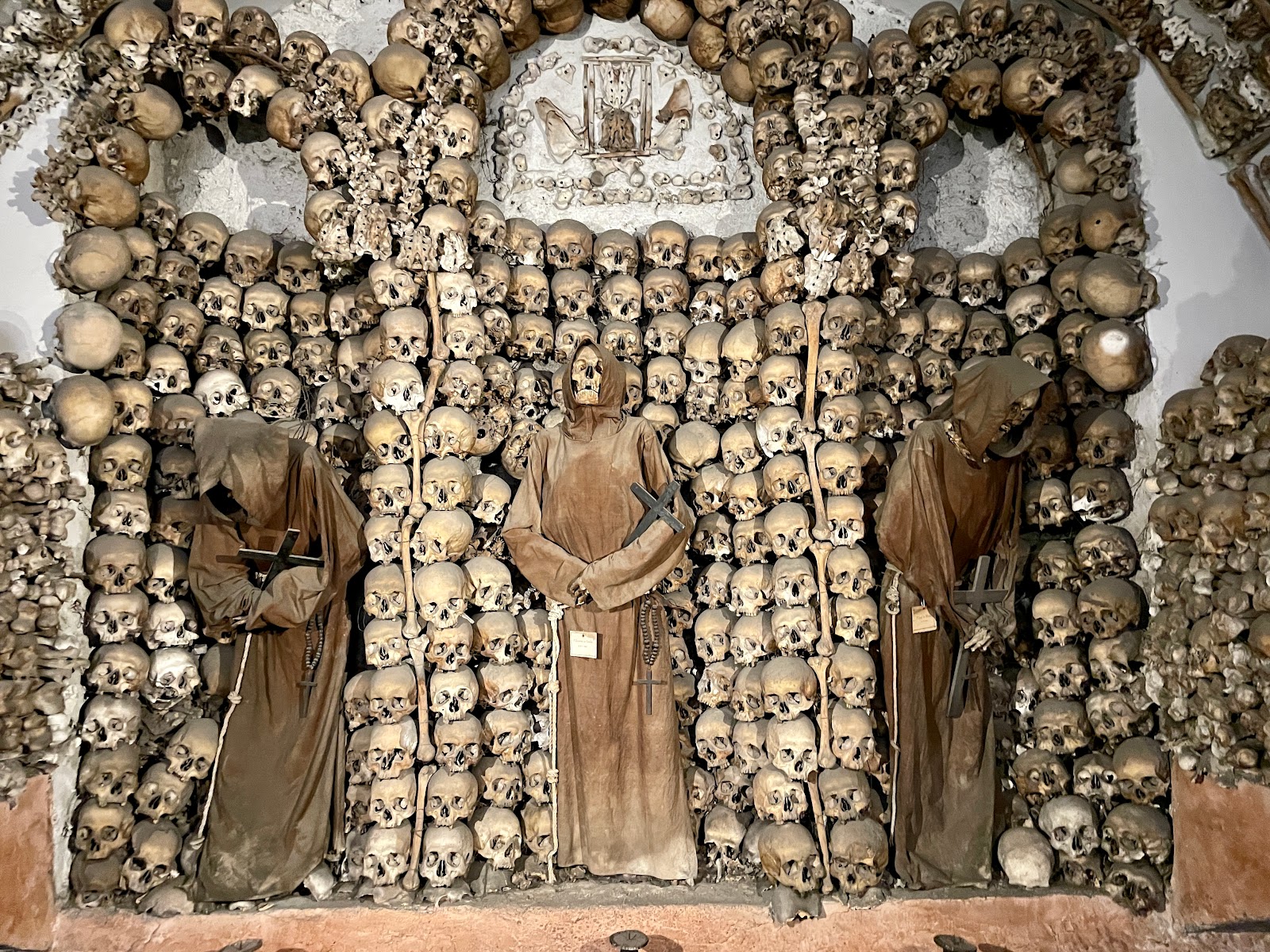 Capuchin crypta4.4The Cripta de los Capuchinos is located under the church of Santa María de la Concepción, on Vittorio Veneto Street (via Veneto). It is composed of six chapels of different size distributed around a 40 m long corridor or cryptoportic. More than 4 000 skeletons, brought from a great mass grave of the via dei Lucchesi, form this magical and unusual place intended to remember, to everyone who comes to see the crypt, the fate that awaits us human beings, death as the end of the cycle of life, as a moment to which we all inevitably come. The inscription that we find within it informs us precisely of this: "As we were, as we will be." The entry price is €8.50 and is not included in the Rome Pass. There are audio guides in Spanish for 5 €. On your official website you can see more details of the prices and information about the visit. . |
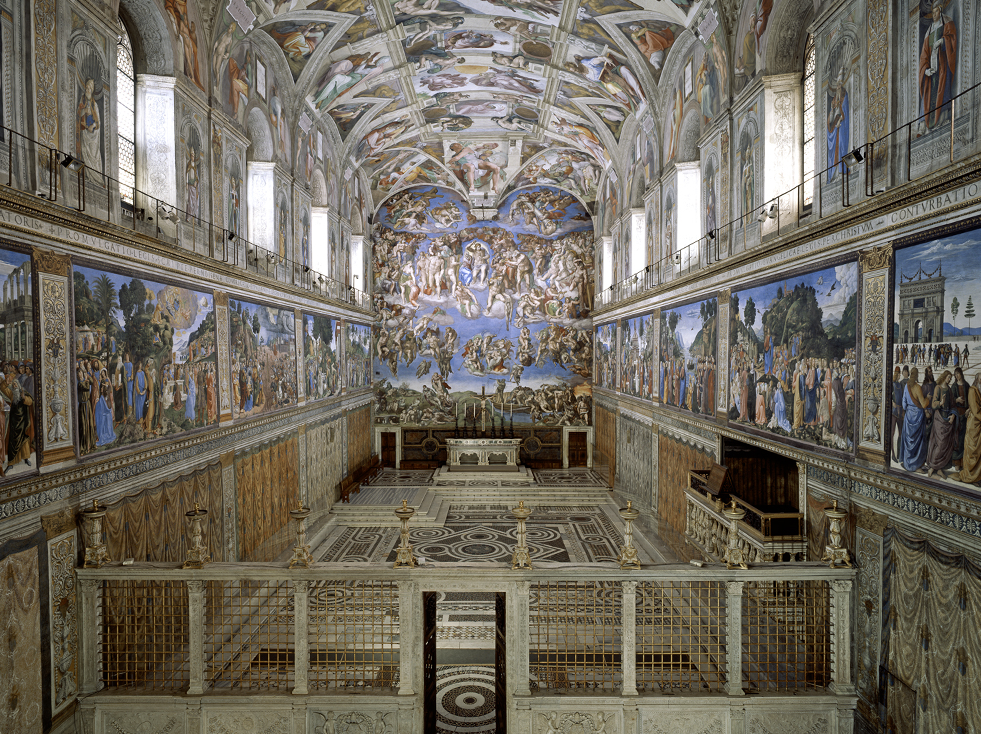 Sistine Chapel4.7Considered as the masterpiece of Michelangelo, the Sistine Chapel is one of those places that everyone should see at least once in life. All the frescoes on the roof of the Sistine Chapel are the work of Miguel Ángel, who took four years to paint the vault, from 1508 to 1512. If something stands out in the images of the roof are the nine stories of the genesis that occupy the central part: The scenes are represented from the Embriaguez of Noah to the Separation of Light from Darkness. The Creation of Adam: Undoubtedly, Adam's Creation is the most well-known image of the Sistine Chapel. It is located in the central part of the vault and represents the history of Genesis in which God gives life to Adam. The Final Judgment: On the main altar and with great dimensions (13.7 by 12.2 meters) is the other masterpiece of Michelangelo, The Final Judgment, which represents the Revelation of St. John. Decorate the apse occupied Michelangelo five years of his life, from 1536 to 1541. It was an assignment of Clement VII to cover the murals that existed until that time. . |
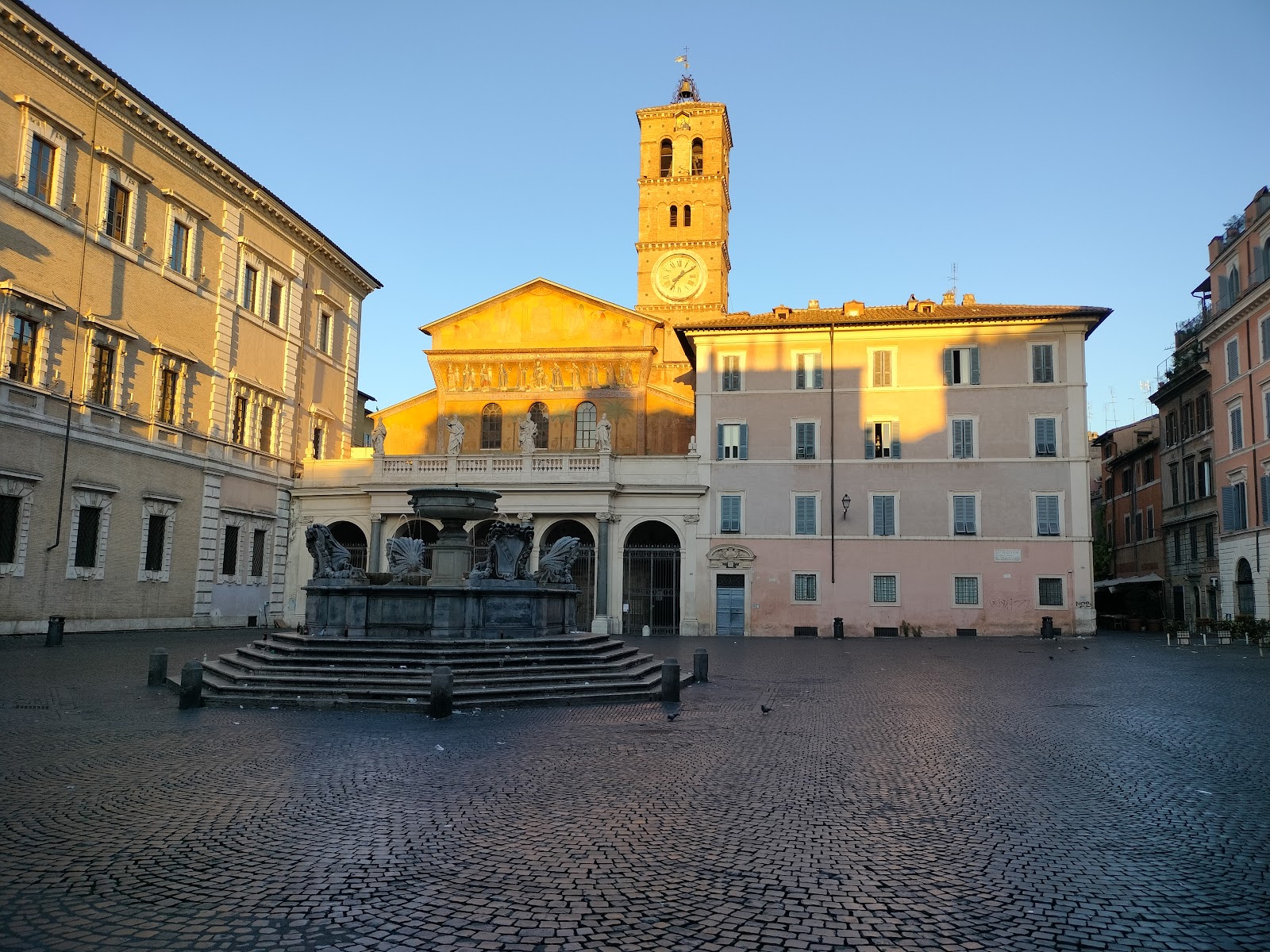 St. Mary's Basilica in Trastevere4.7The Basilica of St. Mary in Trastevere is the most important church and one of the most beautiful places to see in the Trastevere. Located in the heart of the neighborhood, in the famous and busy Plaza de Santa María in Trastevera, this building surprises the visitor by the golden mosaics of the façade and its bell tower. In the interior there are 20 columns and marble pieces from the Thermas of Caracalla, as well as another beautiful golden mosaic in the dome of the apse. As you leave the church, in the center of the square of Santa Maria, you will find one of the oldest fountains of Rome, in which in the evenings it is common to see it full of people sitting enjoying the good atmosphere that always reigns in this square. . |
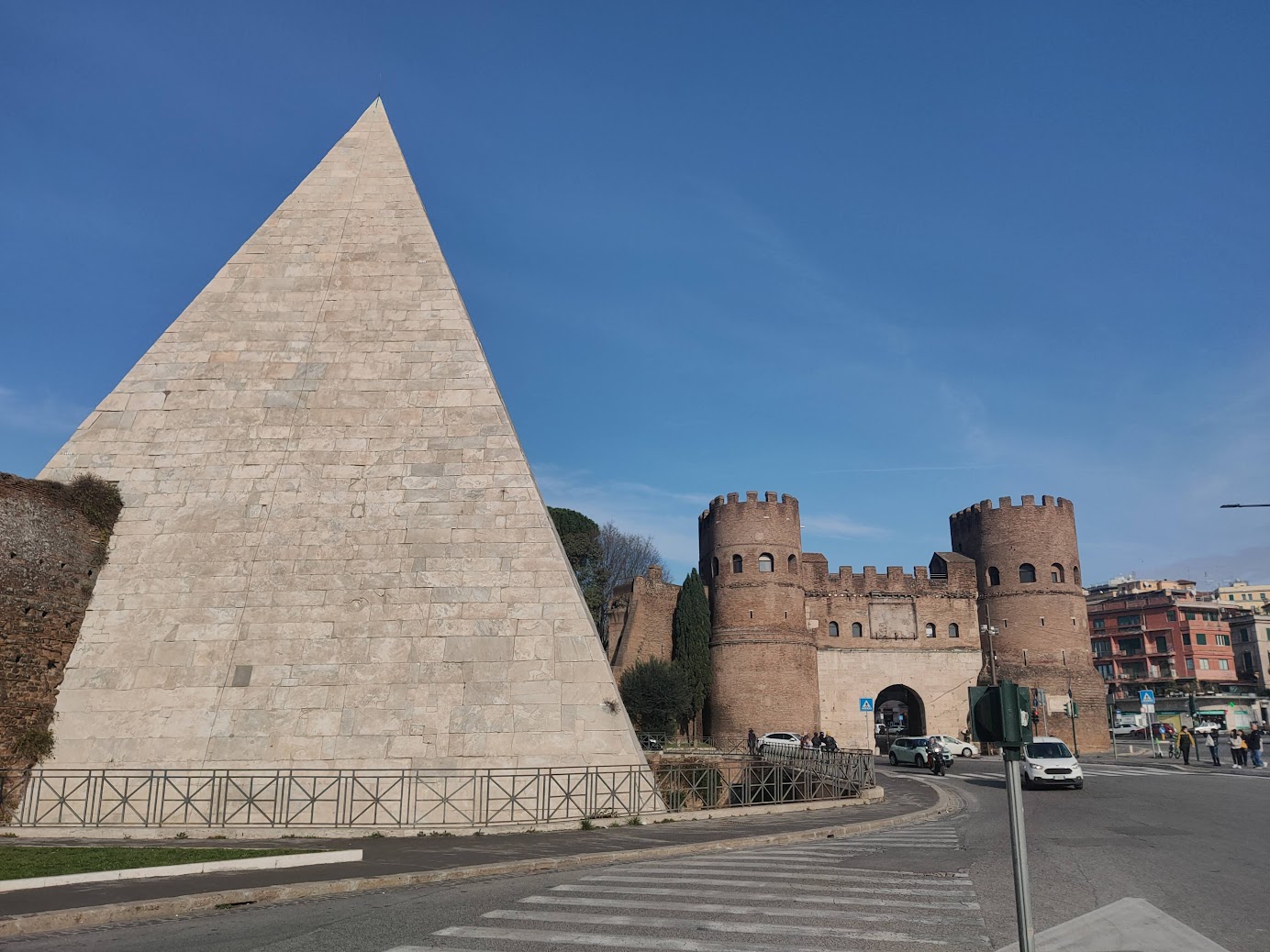 Cestio Cayo PyramidThe traveler who visits Rome can be surprised by several Egyptian obelisks during his tour of the Eternal City, but you will find only one pyramid. The Cestia pyramid is not only one of the greatest exponents of the influence that the culture of the Nile country had during the splendor of the Roman Empire, it is also one of the best preserved buildings of the time. Raised 2000 years ago as a mausoleum, when Rome dominated the world, the pyramid has been the guardian of the remains of Cayo Cestio and his family. It has also played an important role in protecting the city from barbarian invasions as part of its protective wall. A real rarity, recently removed, that was open to the public in 2016 and deserves a visit. |
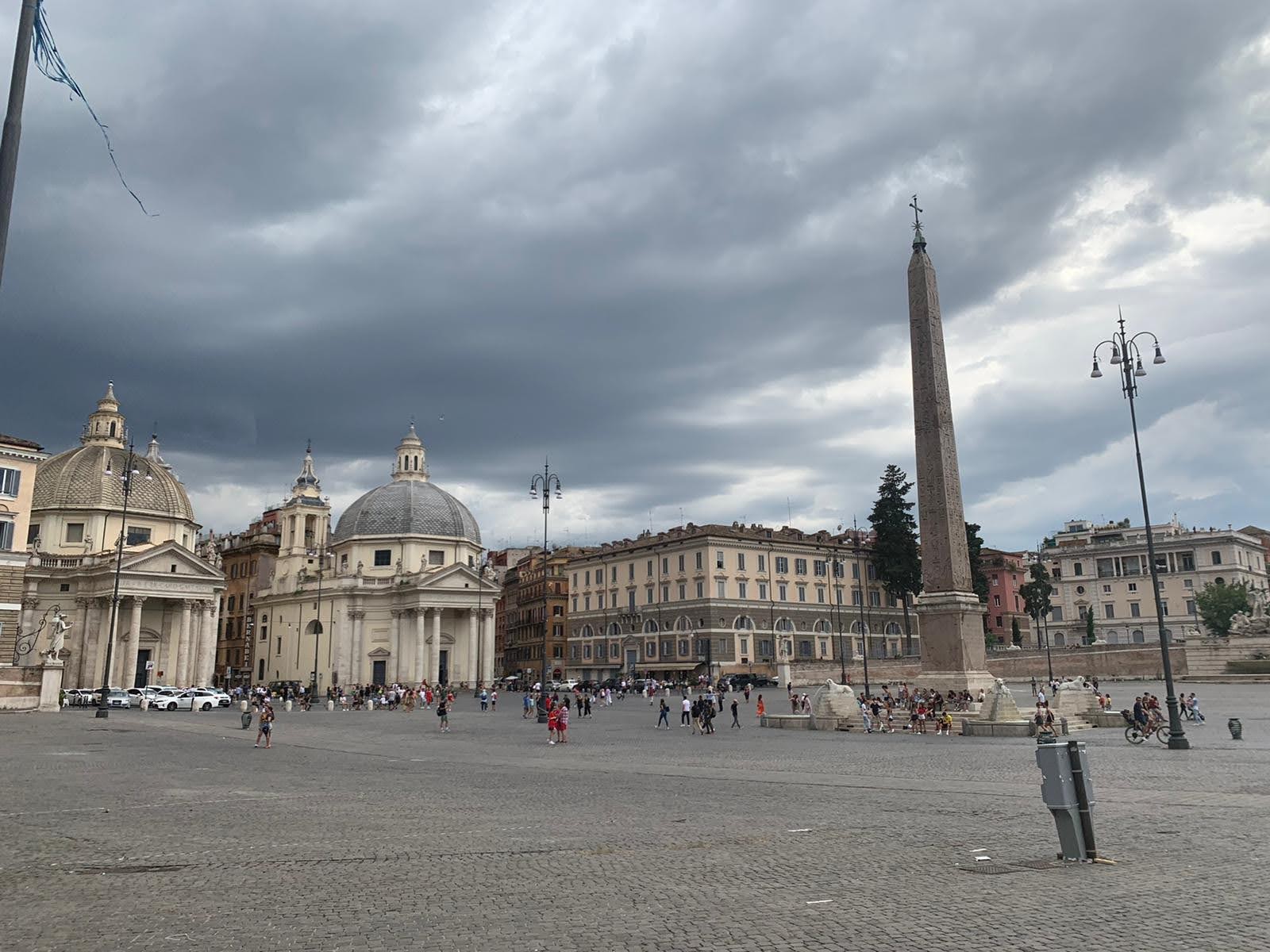 Plaza del PópoloLocated next to the northern gate of the city, Piazza del Popolo (Plaza del Pueblo) is one of the most popular squares in Rome. In the centre of the square is a 24-metre Egyptian obelisk dedicated to Ramses II, known as Obelisco Flaminio. Located in the Circo Máximo from the year 10 BC, it was moved to the Plaza del Popolo in 1589. Much of the tourists who come to Piazza del Popolo do so to visit the Church of Santa María del Popolo, where you can see two magnificent works by Caravaggio as well as interesting Renaissance works. In the square there are also the churches of Santa Maria dei Miracoli and Santa María in Montesanto, two apparently twin temples that hide some differences. The best views of the square are obtained from the Pincio Gardens, up the stairs on its eastern side. |
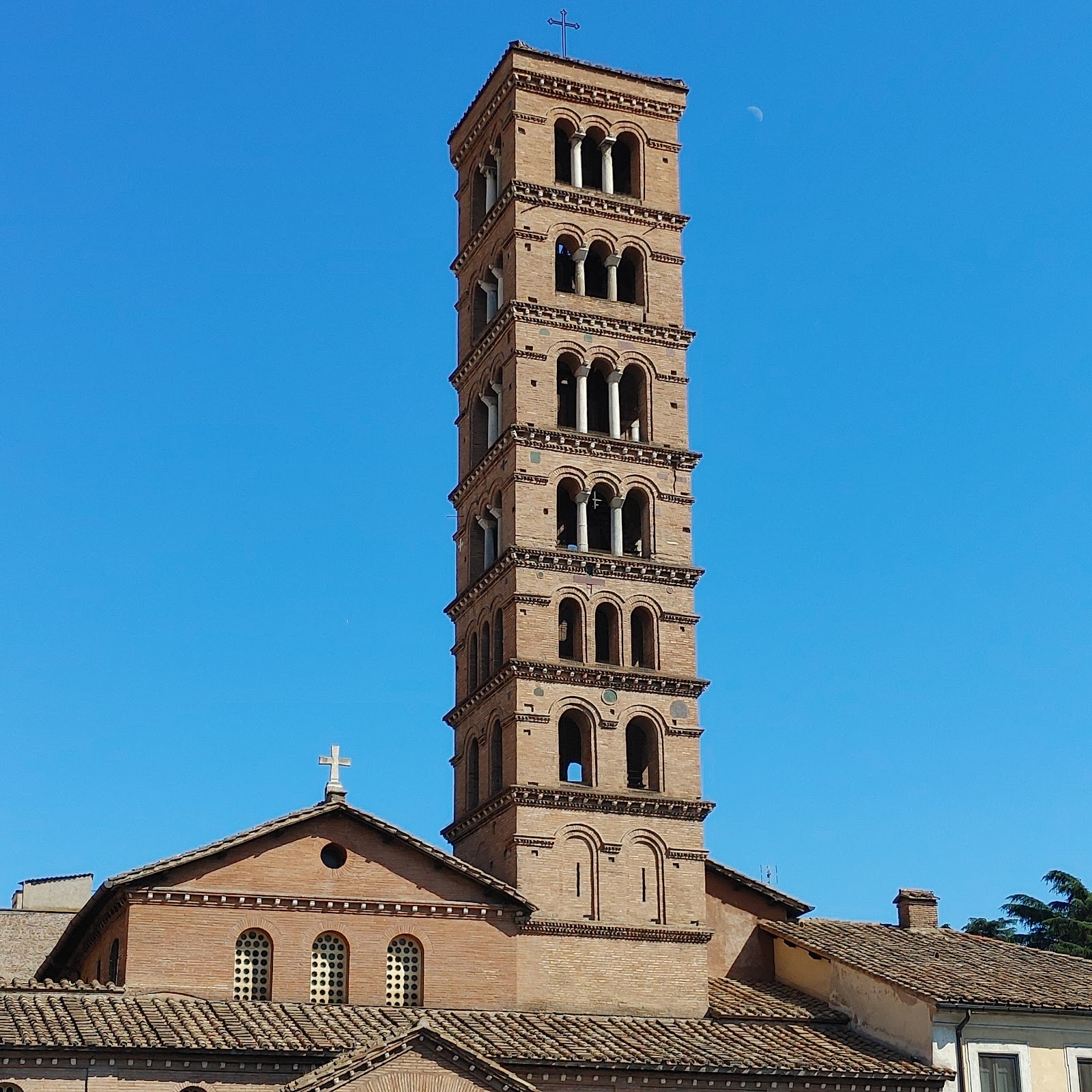 Santa Maria in CosmedinThe Church of Santa Maria in Cosmedin is a medieval church well known for hosting in its portico the Boca of Truth. The church was built in the 6th century on the remains of the Temple of Hercules at the Forum Boarium. The church was named after the Greek adjective kosmidion (beautiful), thanks to its abundant decoration. Although today the church has virtually no ornaments, it still retains some beautiful decorative elements such as the mosaics of the ground, the bishop's throne, the choir and the baldaquino. One of the main treasures that are preserved in the church is the glass relic that keeps the Valentine's skull, pattern of the lovers. The façade, restored with an early medieval look, has a portico with seven arches in which tourists are agitated to enter their hand into the mythical Boca de la Verdad. Next to the porch is a small Roman bell tower that was added to the temple in the 12th century. Under the altar is a crypt that was built in the eighth century to cover the relics that Pope Adriano I had extracted from the catacombs. The crypt has the form of a small basilica in which several niches are located with marble shelves on which the relics of the pilgrims are shown. . |
With a long and interesting history behind them, Rome is a city that attracts visitors from all over the world thanks to its impressive monuments and archaeological remains from Antiquity.
Γεωγραφικό πλάτος:41.886399·Γεωγραφικό μήκος:12.484188