Tourist sites in Torrevieja
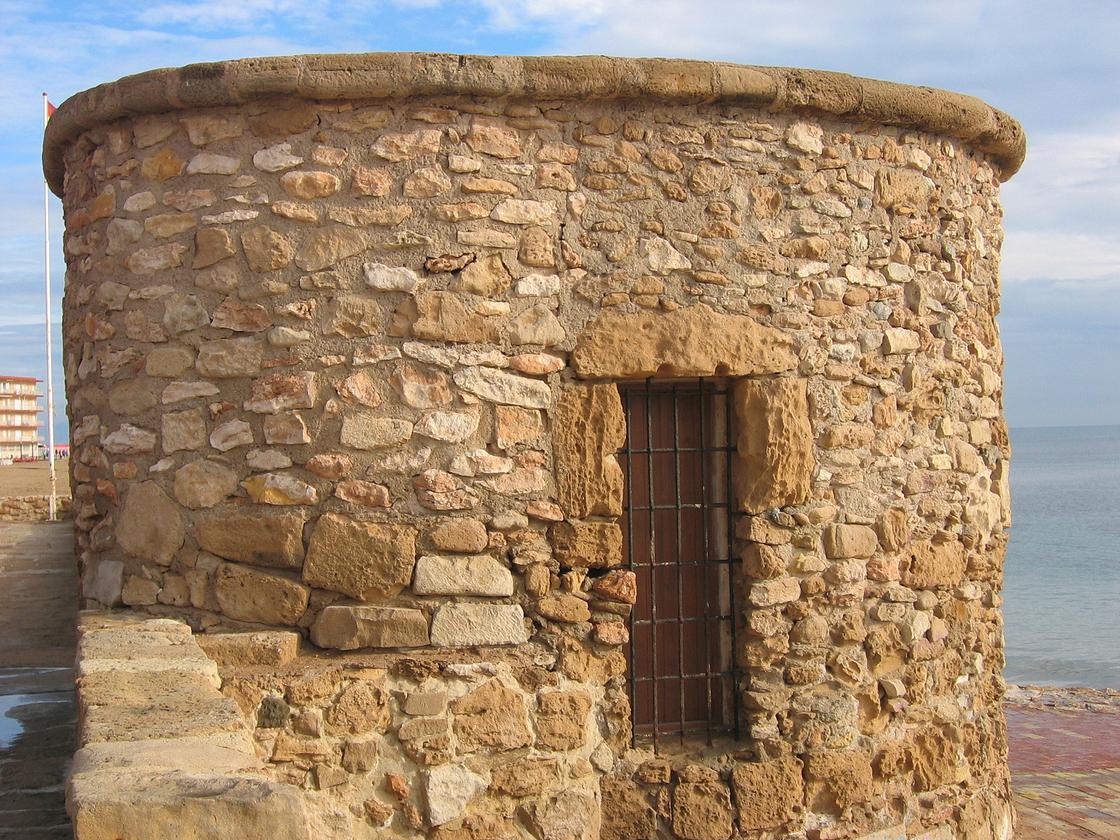 Torre de la MataThe tower of La Mata is a coastal surveillance tower. The object of the tower was defensive and there is supposed to be a fortification at the entrance to a dock used in the charge of salt and other products. |
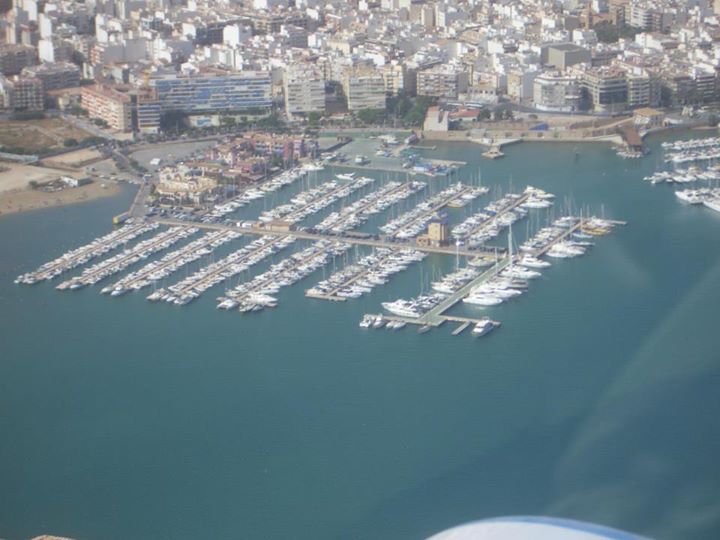 Puerto Marina InternationalPort of Sports, which has School of Sailing, Remo and Fishing. Restaurants, shops and bars. |
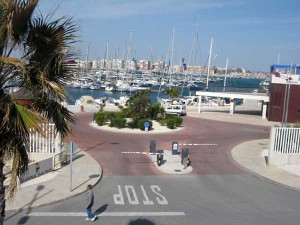 Puerto Marina SalinasIt is located within the large dársena of the Puerto de Torrevieja. It has 724 mooring points from 8 to 35 m long, occupying a total area of 130,000 m2. |
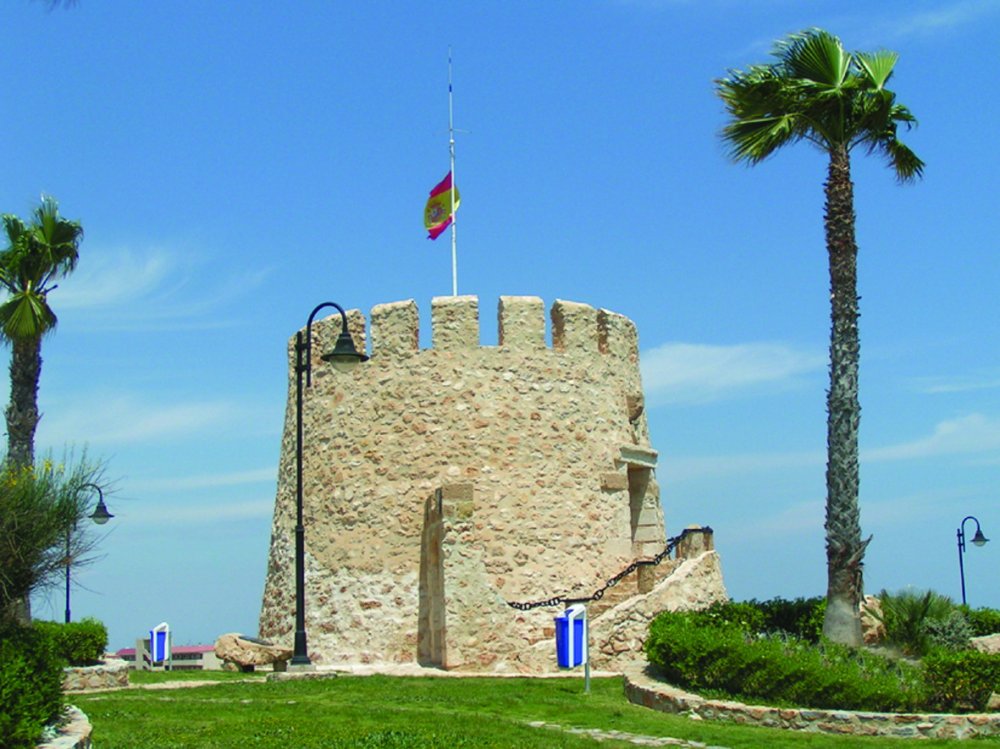 Torre del Moro3.5Its plant is circular, with a trococonic shape and is built with masonry. It has suffered various repairs throughout history, among the last two of which are the ones made in 1960 and the one in 1994. The first corresponds to the original construction to a greater extent, with a spiral staircase until it reaches its upper part. In the 1994 restoration the previous remains are modified and a almond tower is built in which the shield of the city of Torrevieja stands out. 1 |
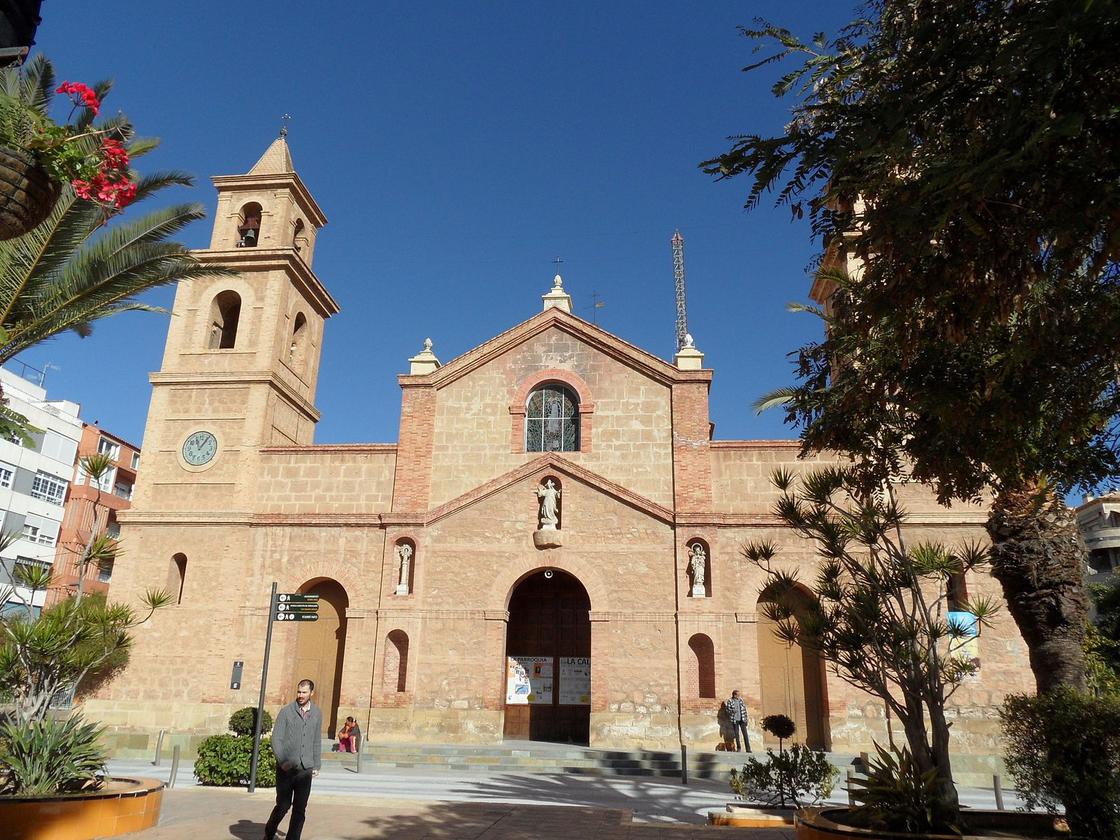 Church of the Immaculate Conception4.5In addition to its main altar, other sculptural works such as the image of Jesus Yacente, the Crucified Christ, the Virgin of Carmen and others of unique beauty stand out. One curiosity is that among the materials used for its construction we find the armchairs of the Watchtower of the Salt Era that had been left in a ruinous state after the earthquake of 1829, which gives the name to Torrevieja. From an artistic point of view this church has a style of neoclassical lines and stand out inside the traditional Latin cross floor covered with a canyon vault with lunetes on the central ship and edges on the sides. |
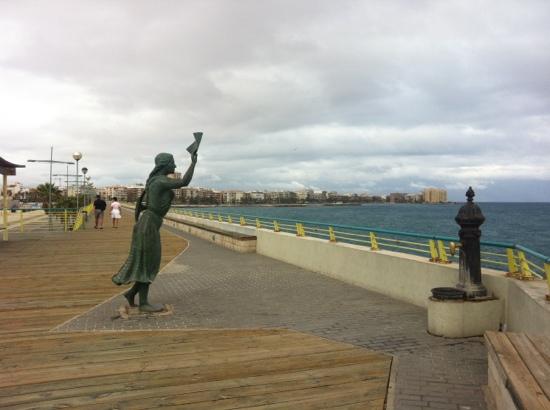 Levante dam4.5The Paseo del Dique de Levante is one of the most representative pieces of the port of Torrevieja, with a tour of 1440 meters in which you will find the Monument Homenaje a la Mujer del Marinero, one of the most popular figures in the city. This dam has two alignments that form an angle of 161st: the first one has about 600 meters and follows a S-SW direction (effective orientation for the breaking of the wave of the rising wind), while the second one, is extended almost parallel to the coast along about 800 meters. Right in front of us we find the poniente dam, with a length of 788 meters and direction NW-SE, perpendicular to the coast of Torrevieja, which allows the docking of ships with a maximum of 8 meters. |
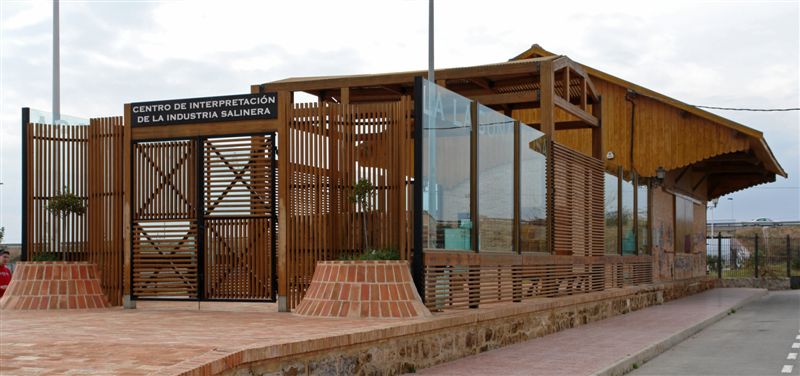 Centre for Interpretation of the Saline IndustryLocated in the old Renfe warehouse. The center shows the saline industry of Torrevieja, you can see an industrial garden of salt, itineraries and activities offered by the municipality of Torrevieja, the saline lagoon contemplated from its interior, natural characteristics of the lagoons, physical-chemical properties of the salt, the extractive process of it, as well as numerous aspects of the history of the exploitation of the lagoons over the centuries and its close relationship with the people of Torrevieja, addressing such issues as the formation of salt, harvest, extraction, technology, etc. You can also see different ancient images that explain how the city's primitive saline industry was, as well as some dolls with the saline suits and the characteristic "barge" where the salt was collected. |
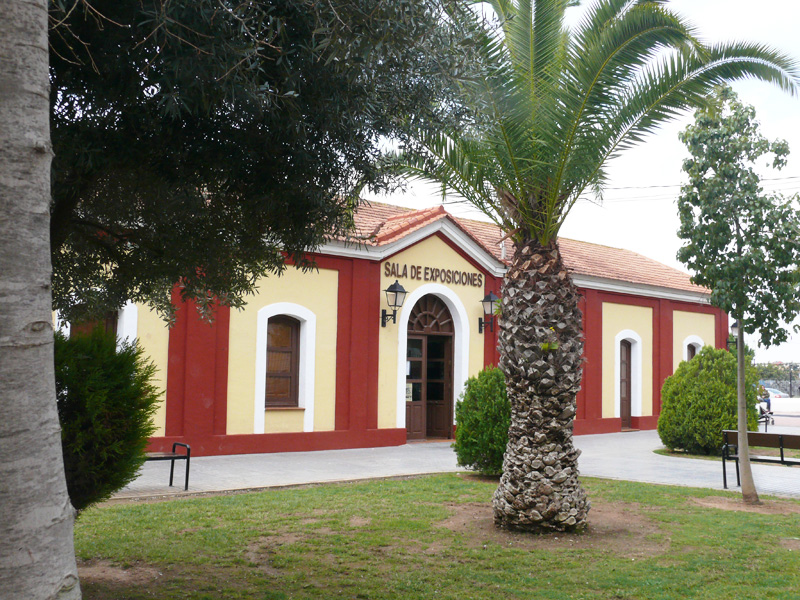 Museum of Natural History2.0Located in the Exhibition Room of the old RENFE Station. The Torrevieja Natural History Museum was born with the purpose of being a reference in the study and conservation of the biodiversity of Torrevieja and its natural region, helping to spread the species and ecosystems of the area to the population. Free entry. |
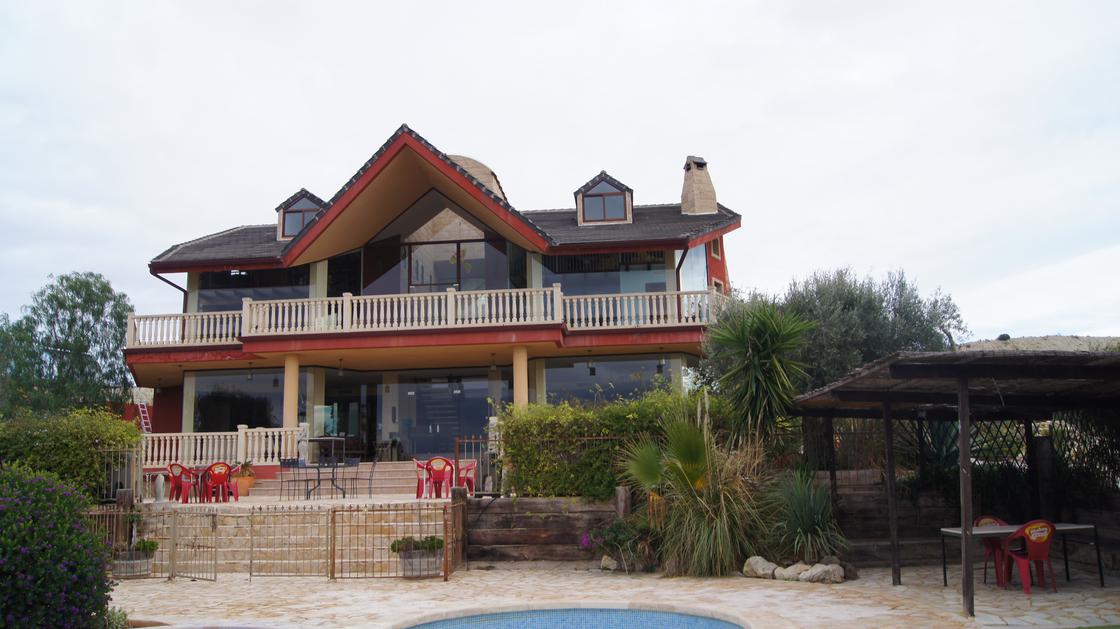 The House of the Pedrera4.4Riding in Quad, riding, shooting, trails, swimming pool, bar,... |
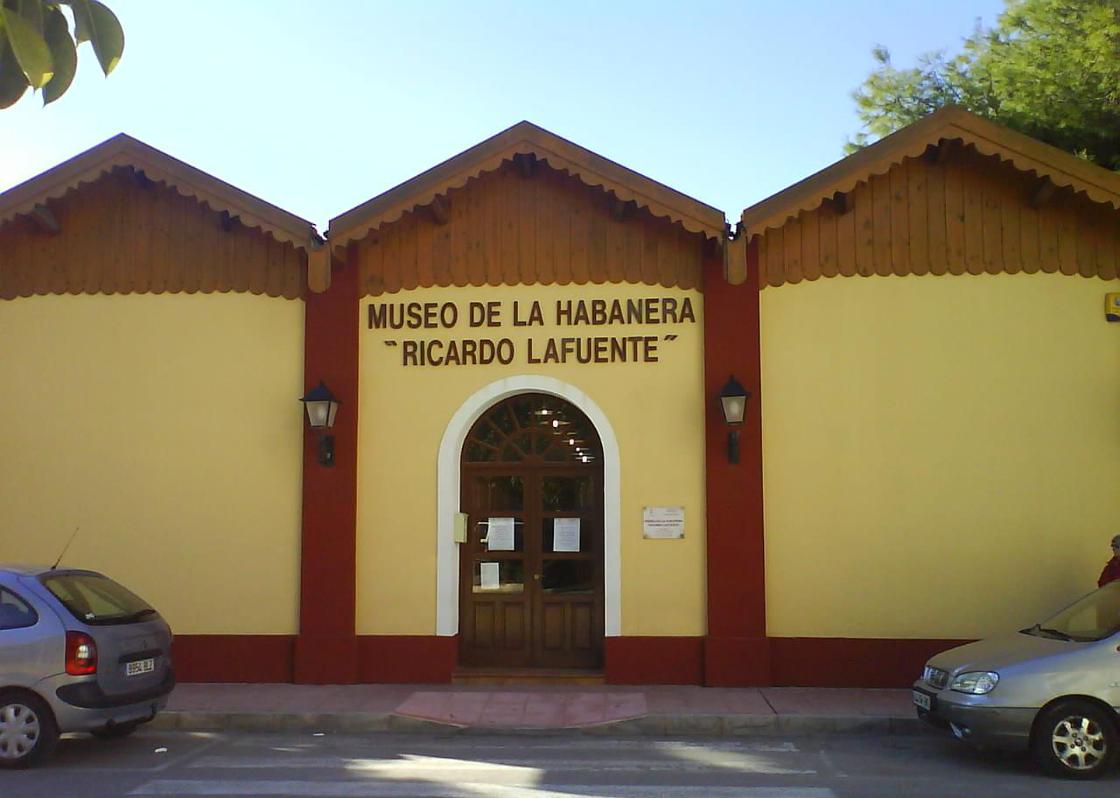 Museum of the HabaneraA part of the old building of the station houses this museum dedicated to D. Ricardo Lapuente, a prominent composer of habaneras, typical songs of Torrevieja. |
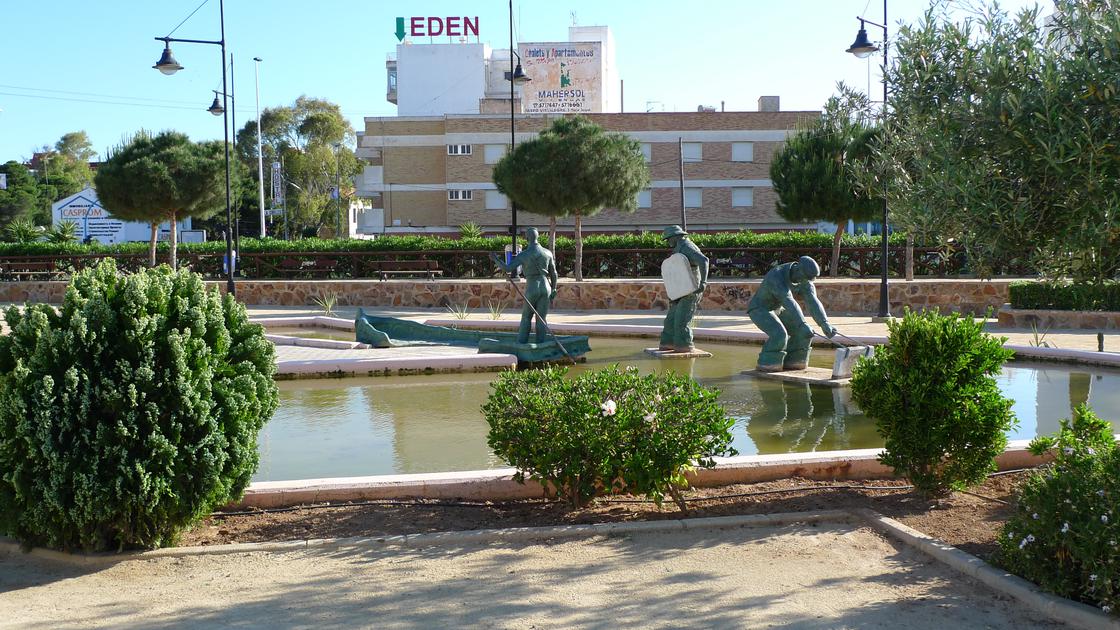 Monument Salineros |
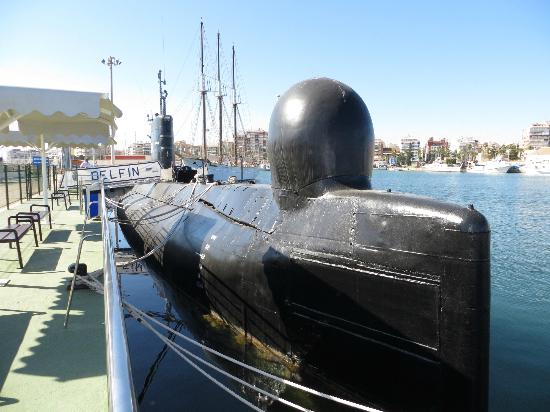 Flying museums Delphin S-61 and Albatros III4.0The floating museums of Torrevieja are made up of three vessels of different origin. On the one hand, we find the S-61 Dolphin Submarine and the Albatros III Customs Surveillance Pattern. The S-61 was the first ship of the Spanish Navy to become a floating museum, precisely in the city that granted it its flag of combat in 1971. The Albatros III Patrol belonged to the Customs Surveillance Service until 23 March 2006, when it was hosted by Torrevieja as its second floating museum. Finally, Pailebote Pascual Flores, a reconstruction of the original boat used by the Torrevieja sailors |
Tourist sites to highlight.
Γεωγραφικό πλάτος:37.994630·Γεωγραφικό μήκος:-0.759286