Ostuni
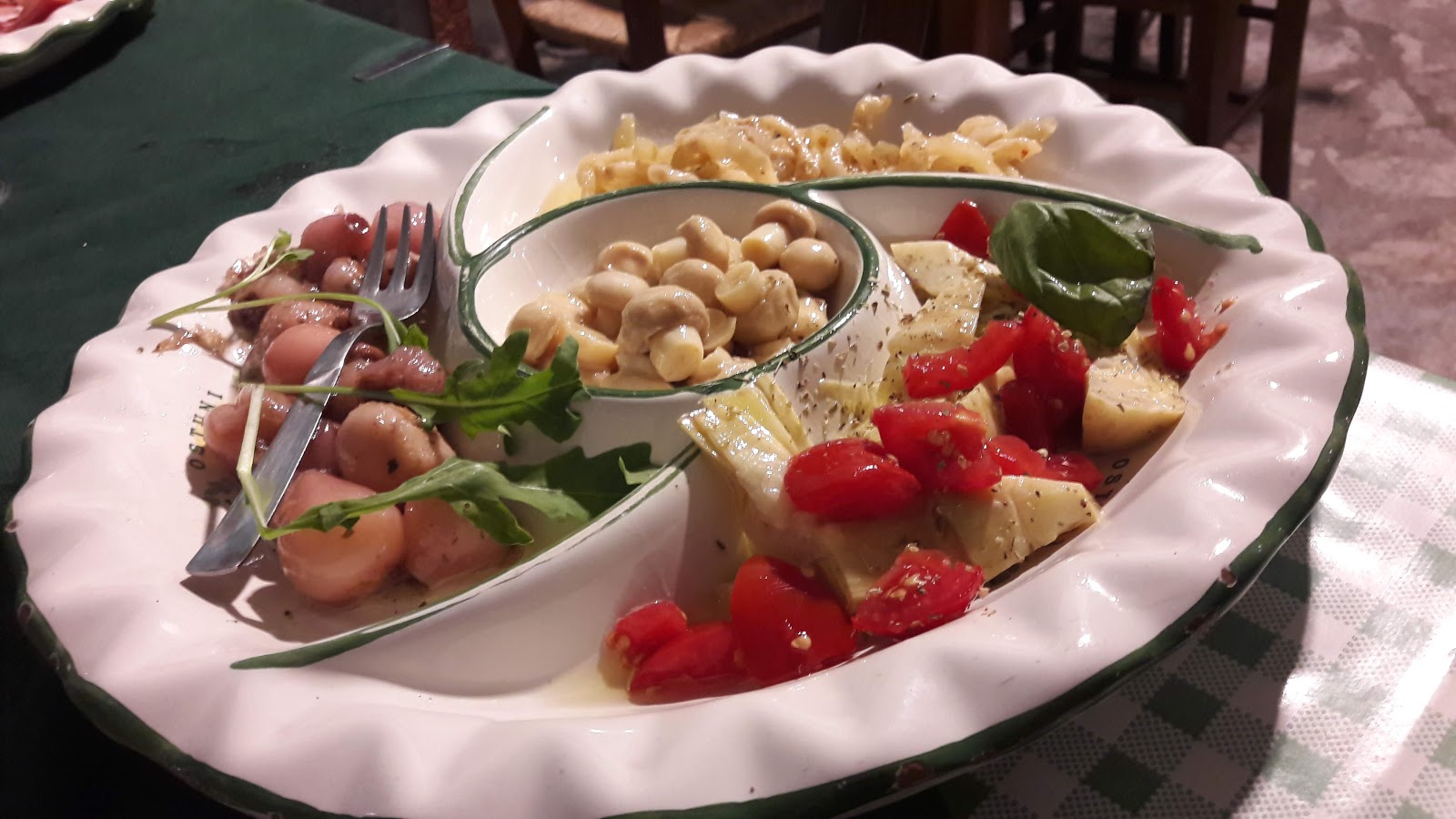 Trattoria Sapere e Sapori4.4A typical Apulia cuisine restaurant in the historic centre of Ostuni. Here you can eat something typical and good without being disappointed. |
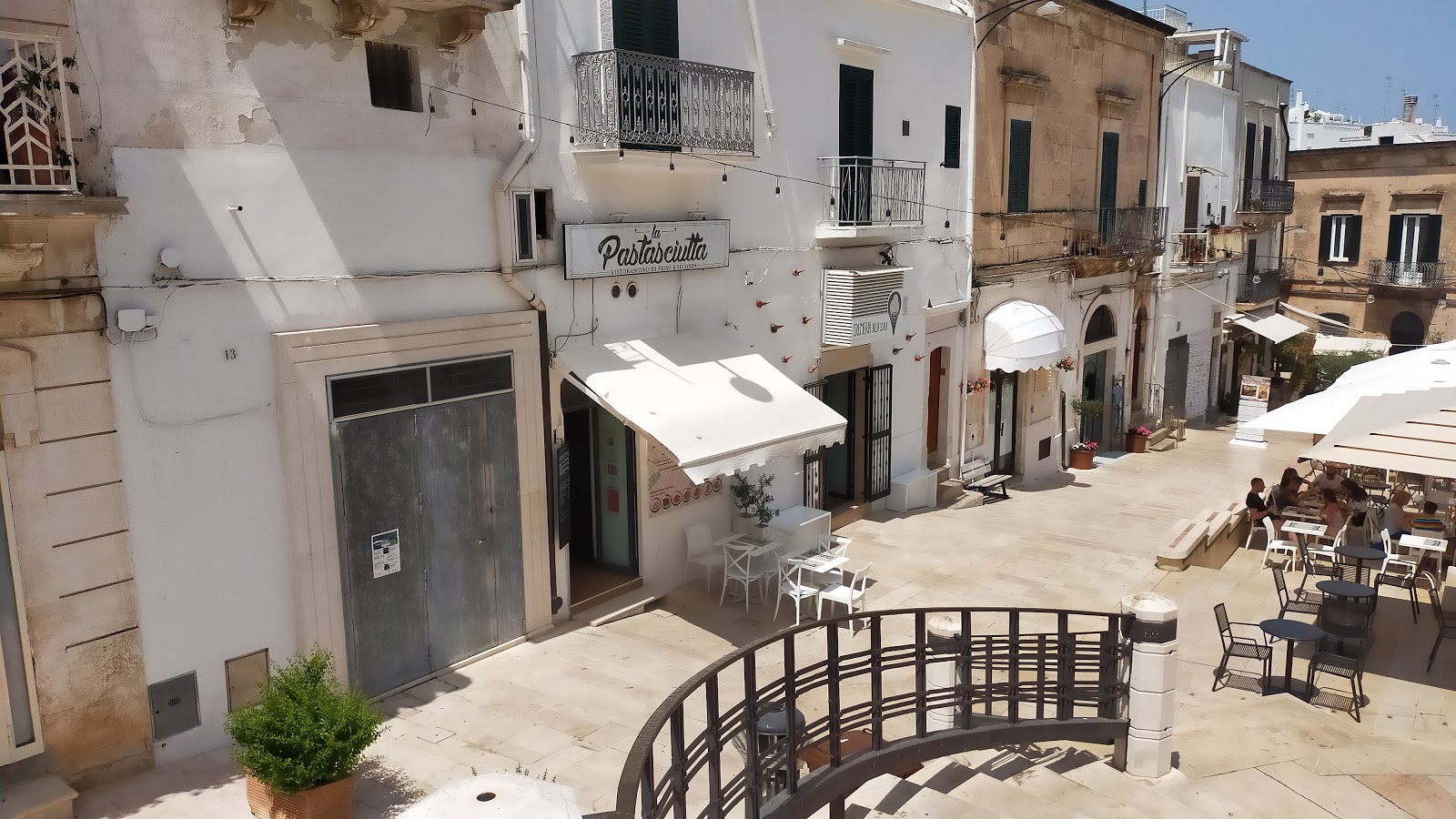 The Pastasciutta4.1Restaurant with central terrace and well located. Local without luxury, the covers and dishes are made of plastic but the food is very good. The price quality ratio is insurmountable. |
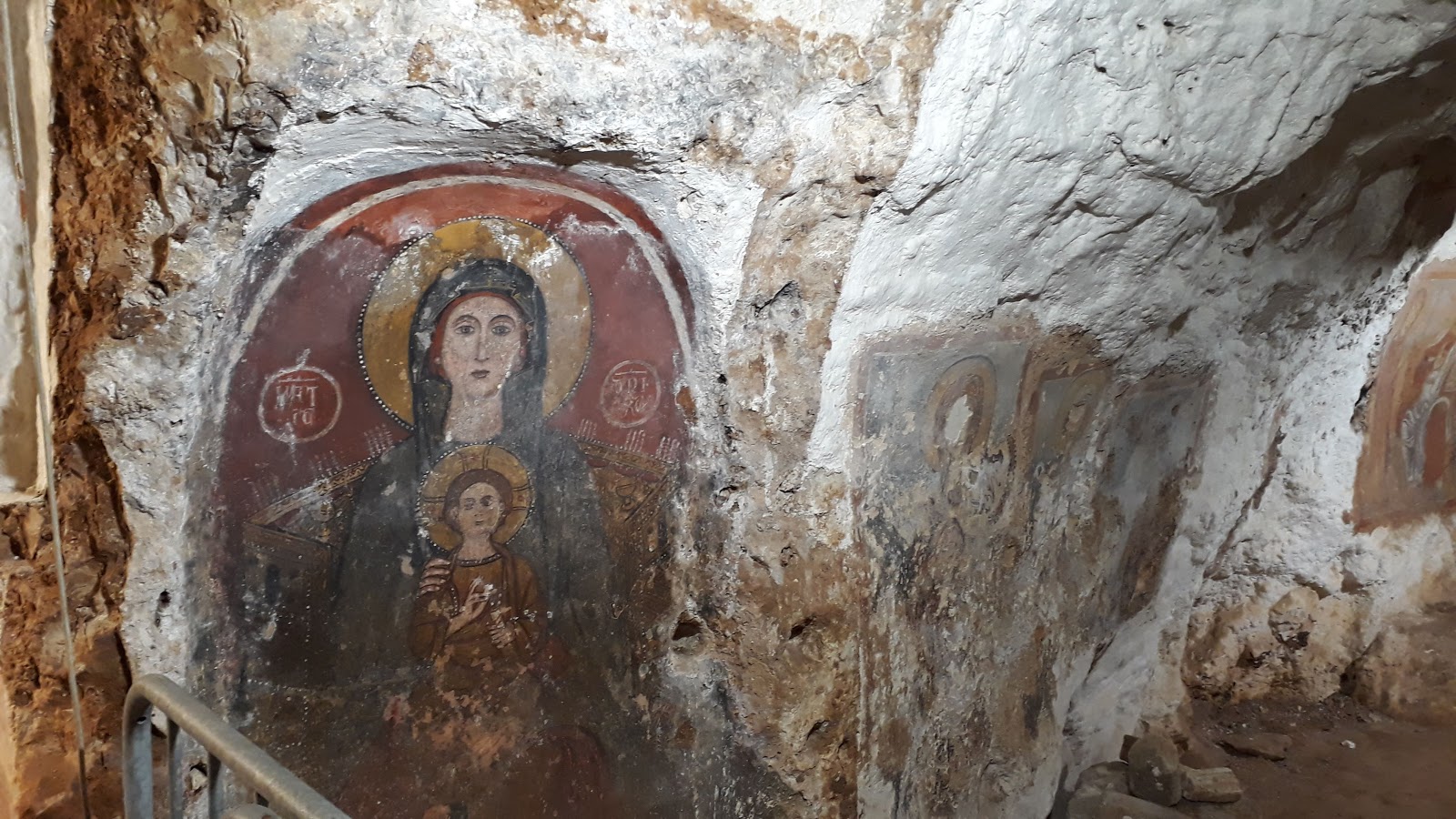 Sanctuary of Santa Maria della Nova4.9It is located within a lama (mud basin), in the place previously called li furchi (wild animal shelter). Built in 1561 on an old crypt, it has a square facade, crowned by clover arches, abocised portal and roseton decorated in the frame with anthropomorphic and vegetable motifs. The interior decorative apparatus is characterized by the large number of frescoes, some of which are Byzantine in style; on the left wall of the inner room there are frescoes: Santa Maria Della Nova (of the good news) with the child Jesus in arms, San Bernardino de Siena and another saint. In the crypt are numerous images; the Madonna of the Latte, the NiKopeia Madonna, figures of saints, the Deesis, Christ whipped and the Crucifixion. |
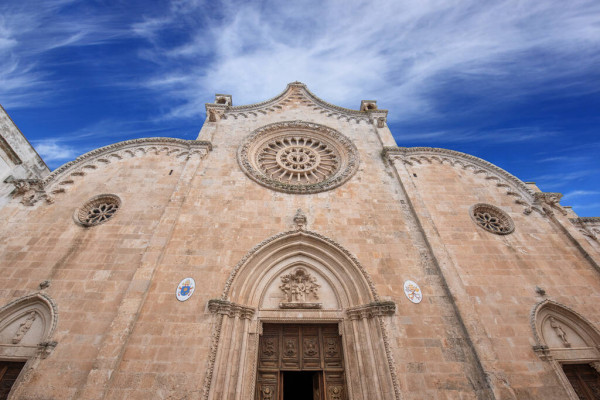 Cathedral of Santa Maria Assunta4.5The Cathedral of Santa Maria Assunta is one of the main buildings to visit in Ostuni. It rises in the highest part of the city and was built in the second half of the 15th century. It has an attractive mix of styles, predominating the Gothic style. Its façade has been decorated with a huge roseton, the second largest in Europe, a true work of art. |
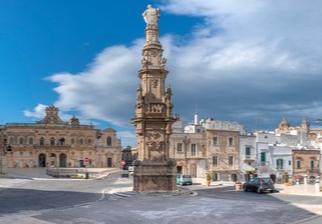 Obelisco de Sant'Oronzo4.6Located in the Plaza de la Libertad, this column of almost 21 meters high is one of the most popular monuments to see in Ostuni. Its construction in Baroque style dates back to 1771 and, like the obelisk that can be seen in Lecce, was created in honor of Sant'Oronzo, the patron of the city. In the highest part of the column you can see the statue of Sant'Oronzo, protector of Ostuni, while blessing the city with his hand. |
Paint village on the heights of the Altiplano de la Murge, not far from the Adriatic Sea. The city has an ancient core, characterized by typical lime-painted white houses, which make it look like certain cities in North Africa. Typically medieval are, on the other hand, the remains of the walls, the cylindrical torreons, the narrow streets and the Cathedral of the 15th century, of the last Gothic period.
Γεωγραφικό πλάτος:40.733126·Γεωγραφικό μήκος:17.578611