Gothic Quarter
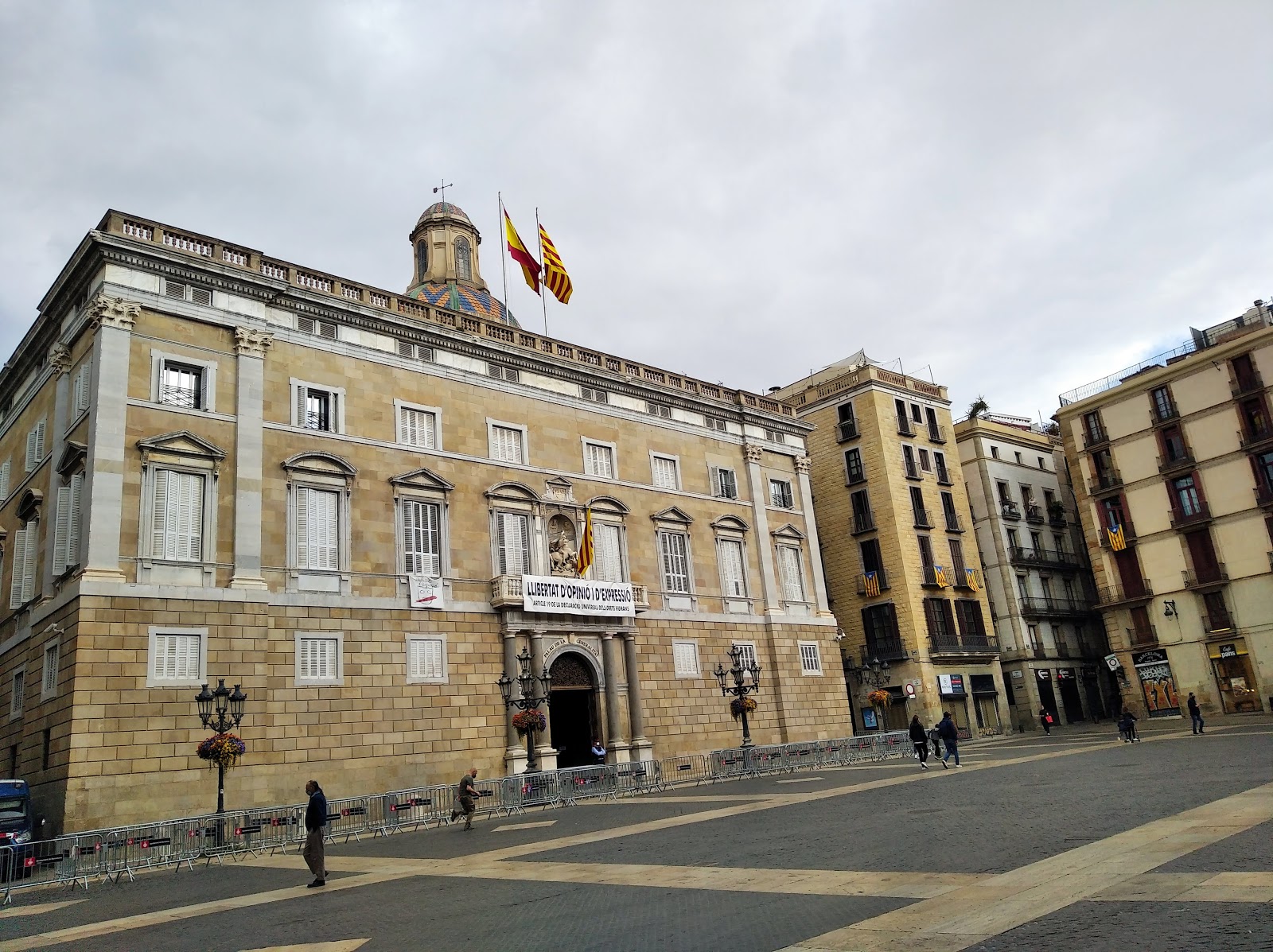 Plaça de Sant JaumePolitical center from the beginning of the city's history, Sant Jaume Square is also a lung open to the heart of the Gothic Quarter. Here are the most important buildings for the Barcelona and Catalan life: the House of the City or City Hall and the Palace of the Generalitat. |
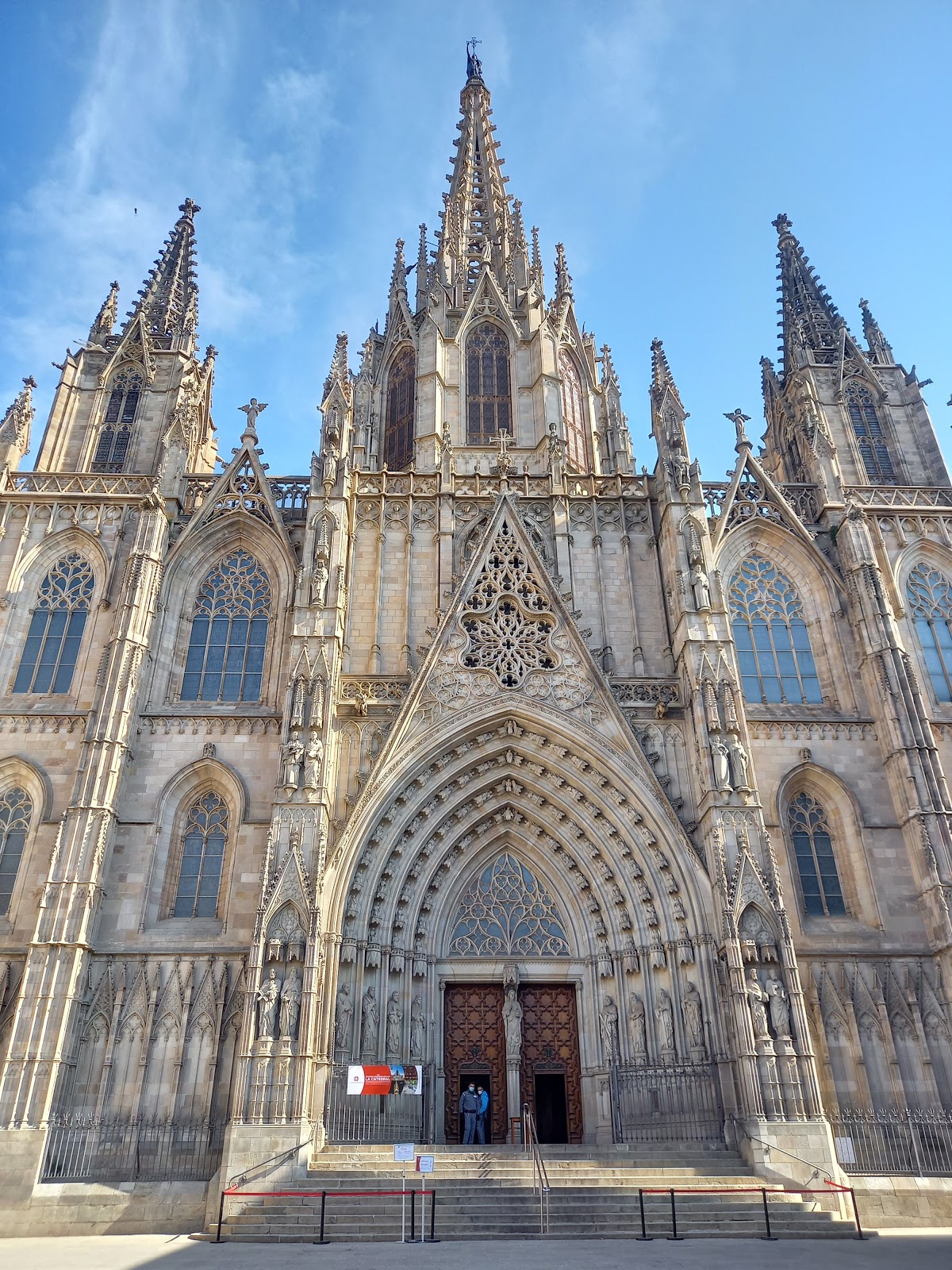 Barcelona CathedralLocated in the heart of the Barcelona Gothic district, the cathedral building was built over 150 years, between the 13th and 15th centuries. The chosen place was the same where there had previously been a Roman cathedral and, before, a Paleocrist temple. The temple is dedicated to the Santa Creu and to Santa Eulàlia, patron of the city. The Barcelona Cathedral is a beautiful example of the Catalan Gothic, far from the verticality of French. A curiosity about this construction is that it has the cimborrio on foot of the ship, almost next to the main facade. In this way the royal rostrum is as illuminated as the main altar. This cimborrio and the facade are from the late 19th and early 20th century. The facade was raised on the occasion of the 1888 Universal Exhibition following the neo-Gothic style. |
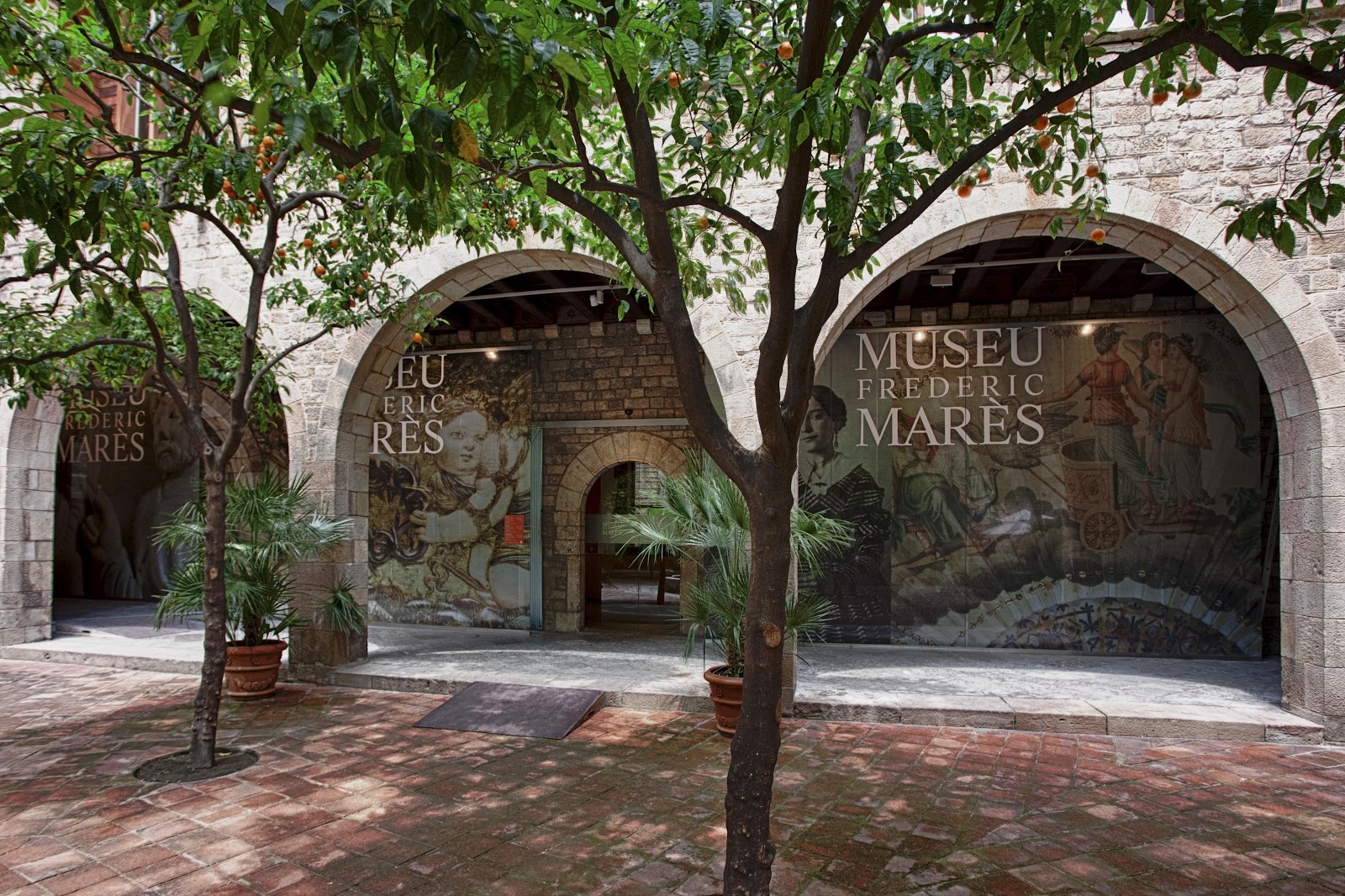 Museo Federico MarésThe Frederic Marès Museum is a unique collection museum that conserves the collections that its founder, the sculptor Frederic Marès (1893-1991), gathered, and which through his donation became part of the heritage of the city of Barcelona in 1946. Two years later this museum was inaugurated located in a part of the old Royal Palace of the Condes of Barcelona, in the heart of the Gothic Quarter, from which the courtyard or vergel is preserved. |
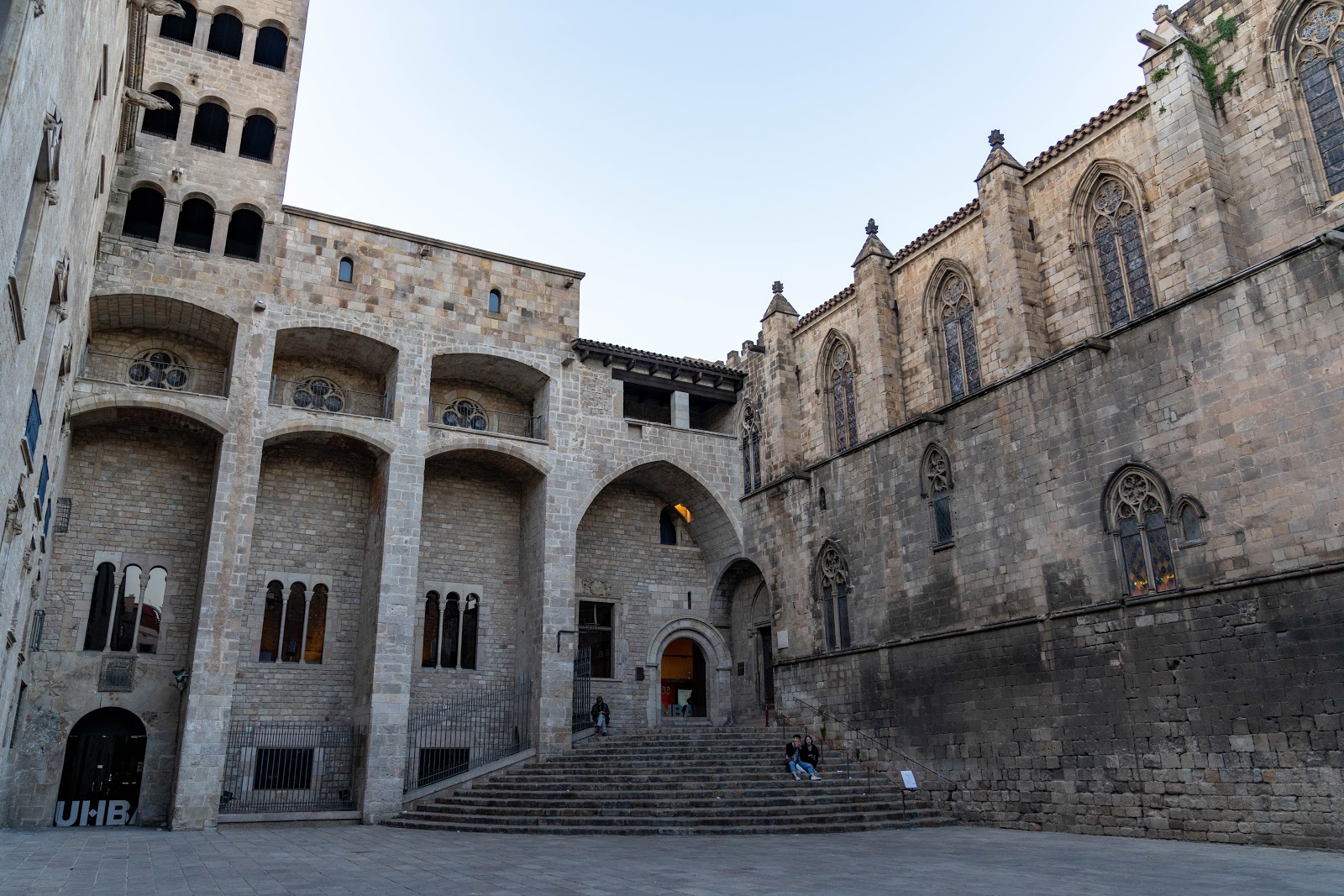 Plaza del ReyThe monumental ensemble of the Plaça del Rei of Barcelona is probably the Gothic corner that best exemplifies the medieval past of the city. The Palau Reial Major and the surrounding dependencies close a harmonious and quiet square where it seems that it still breathes the glorious past of Barcelona in the Middle Ages. |
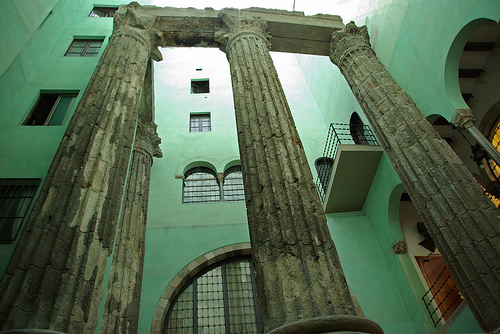 Roman TowersIn the 1st century BC, when Barcelona was Roman, a temple was built dedicated to the worship of the Emperor Augustus. At that time, this one-ship construction was surrounded by a beautiful garden from which there is currently no vestige, except the name of the street that refers to this paradise (the ravine of Paradise). |
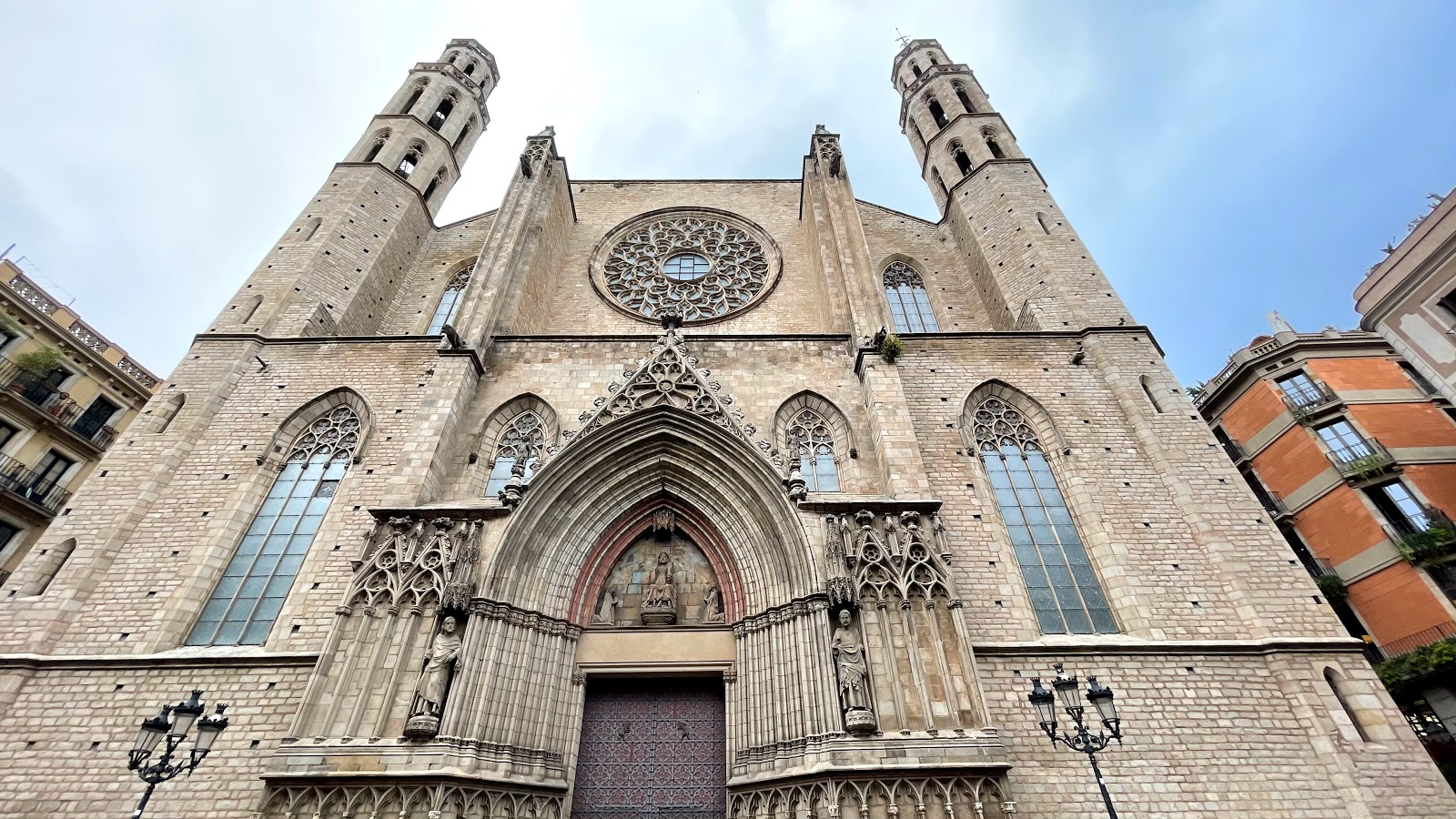 Basilica of Santa Maria del MarThe Basilica of Santa Maria del Mar of Barcelona, known as the "Cathedral of the Ribera," is one of the most perfect examples of Gothic style architecture, due to the harmony in its proportions and serenity offered by the whole. In the Middle Ages, the long periods of building a church, (often more than a century), often involved changes in architectural style. Santa Maria del Mar de Barcelona is an exception: built in only 55 years, from 1329 to 1384, it is the only pure Catalan Gothic church. Its structure is of three ships almost the same height, with sober and very high columns every 13 meters away, a space not overcome by any medieval construction around the world. The resulting impression is of a sublime amplitude, elevation and lightness, as if gravity had turned around and attracted the stones up. The numerous windows with windows from the church of Santa Maria del Mar play an important role in this regard. From the church we can highlight the glass of the Ascension, in the Chapel of Santa Maria, and that of the Lavatory in the one of San Rafael, as well as the great roseton. It was destroyed during the earthquake that shook Barcelona in 1428, and rebuilt in the middle of the 15th century. If we look at the ground, we will find particular graves and also the tombs of cofradies and guilds of the Middle Ages in Barcelona. This Basilica of Santa Maria del Mar, a work directed by Berenguer de Montagut, was the temple of the shipowners and merchants of Gothic Barcelona. From the rooftops of the basilica you can enjoy Barcelona from a privileged perspective that helps to understand the medieval urban fabric and the structure of the city center. A 360º vision that won't leave you indifferent. |
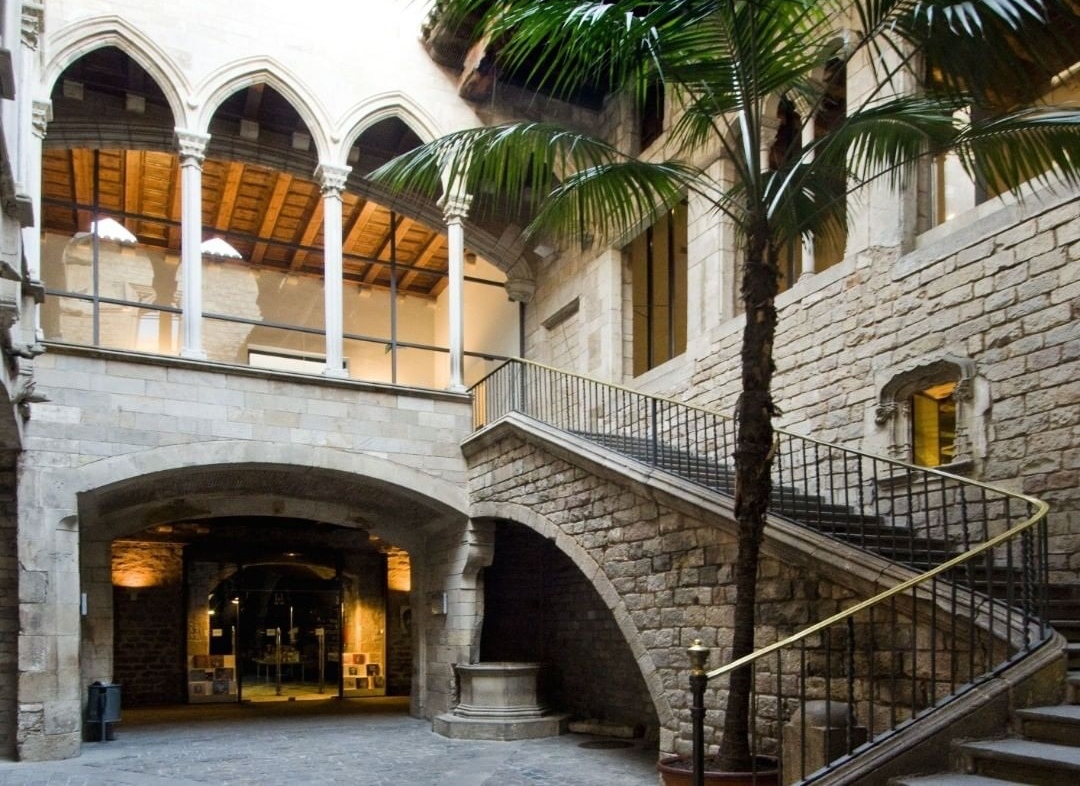 Museu Picasso de BarcelonaLocated in a complex of Gothic palaces, the Museu Picasso of Barcelona stores a valuable and representative collection of works by Pablo Picasso. Among others, you can see Science and charity, El Arlequín or the collection of Las Meninas. A large part of the museum's background comes from the donation that Pablo Ruiz Picasso made to the city of his works, which consists of the most important collection of the work of his youth and of his period of formation as an artist, between 1895 and 1904. Two good examples are the paintings of great format First Communion (1896) and Science and Charity (1897). There are also works from other periods of the artist, with paintings of the impressionist, cubist, blue and pink era, as well as a good number of works of 1917, when Picasso spent a long season in Barcelona and painted paintings such as The Arlequin, Woman with mantilla or Character with fruit, which mark the beginning of his transition from cubism to a return to classicism, or a series of paintings of 1957 that carry the title Las Meninas, the fruit of Picasso's reflection on the work of Velázquez. |
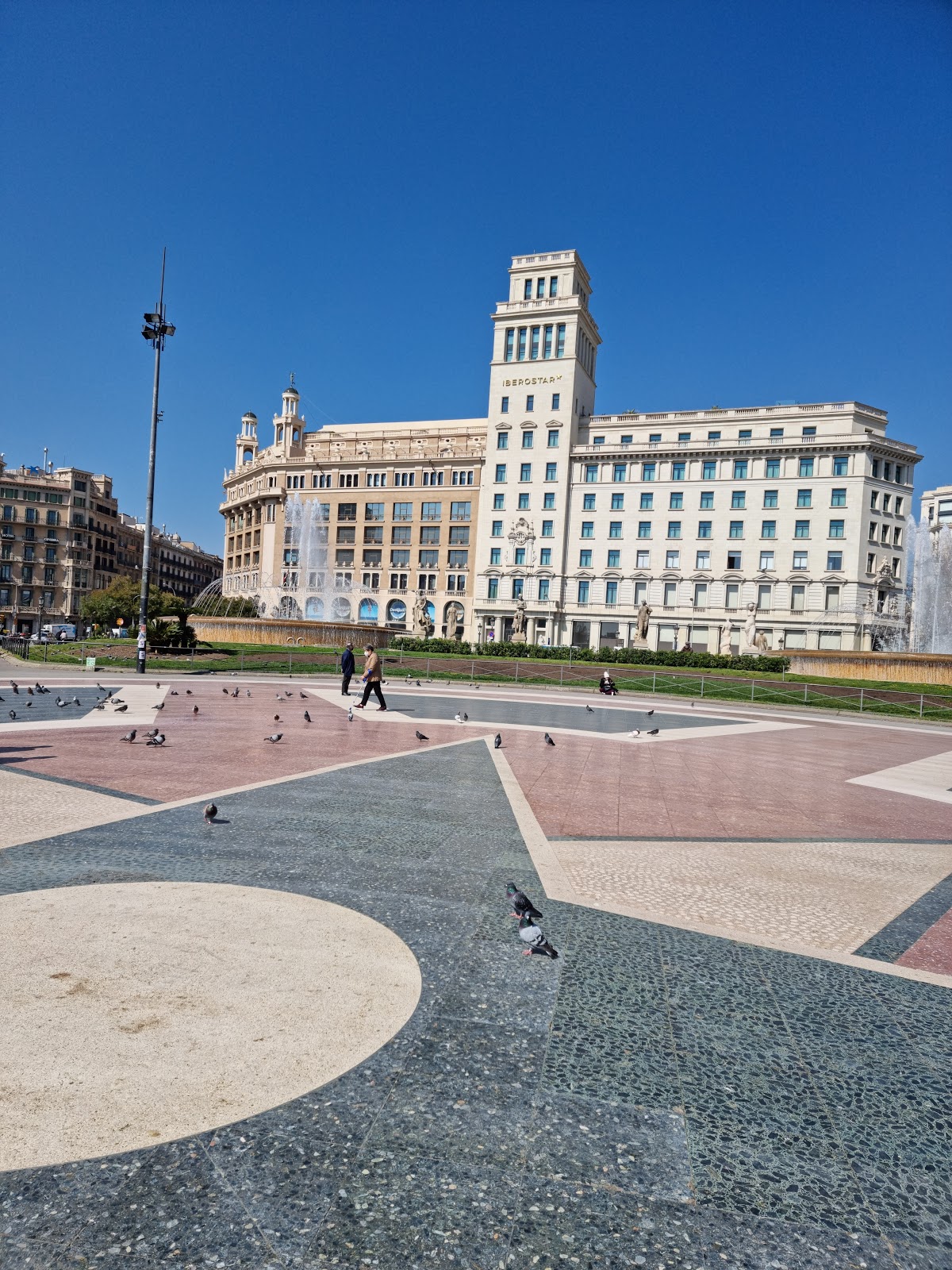 Plaça de CatalunyaCustodiated by the large buildings of the shopping centers, Plaza Catalunya is a constant beat and a coming and going of people. The most central place in Barcelona and the meeting point of Barcelona and foreigners is also the point of union between the Esenche and the old part of the city. The square was opened by King Alfonso XIII in 1927 and occupies an area of 5 hectares. Earlier that space was a large extrusion in front of some of the entrance doors in the walled city. |
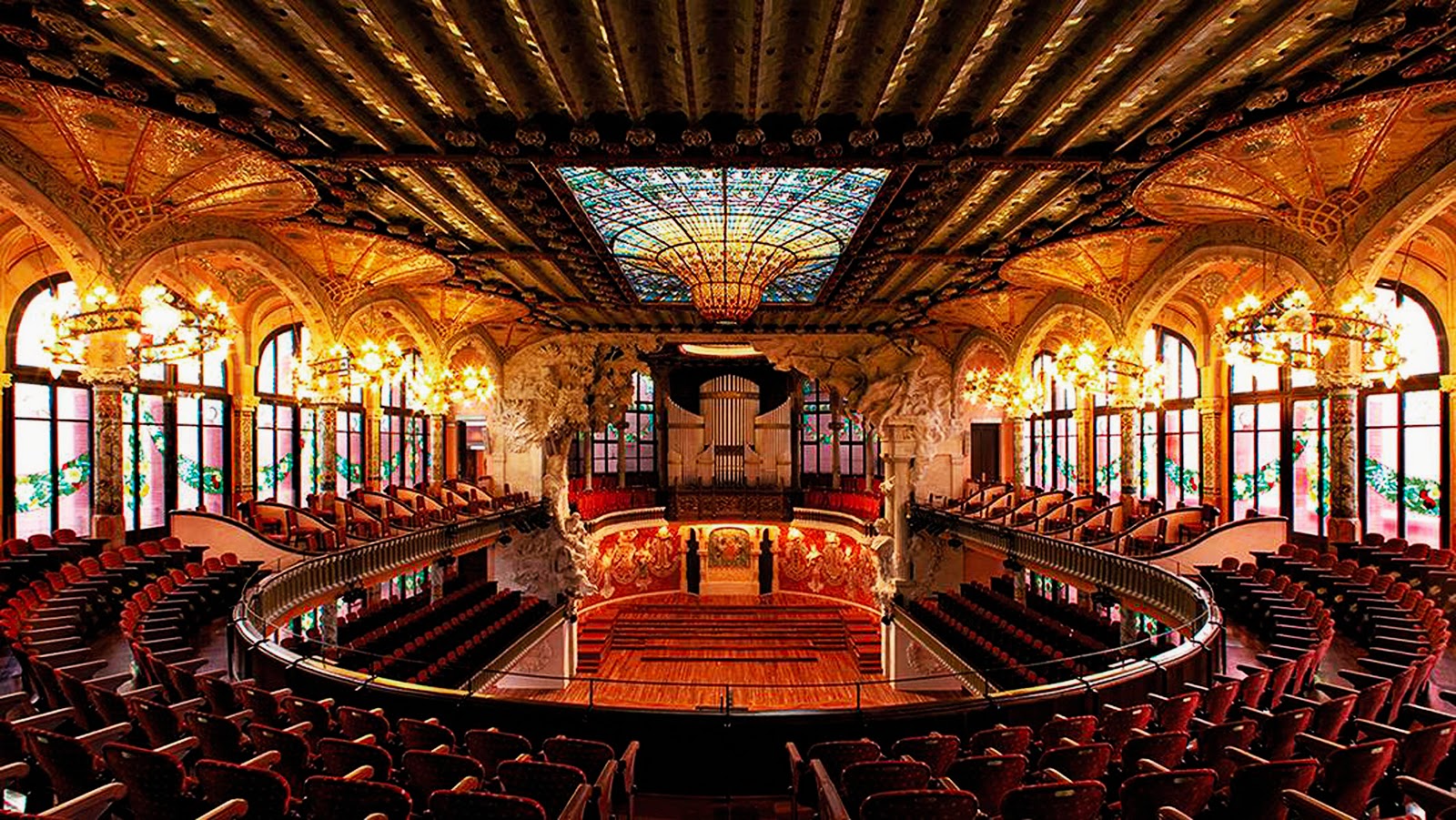 Palau of Catalan MusicThe Palau de la Música Catalana is an architectural pearl of Catalan modernism, the only concert room declared a World Heritage by UNESCO (4 December 1997), which is now an inescapable meeting point for the cultural and social life of Catalonia. It is also a symbolic and sentimental heritage of a whole people who identify with their history. |
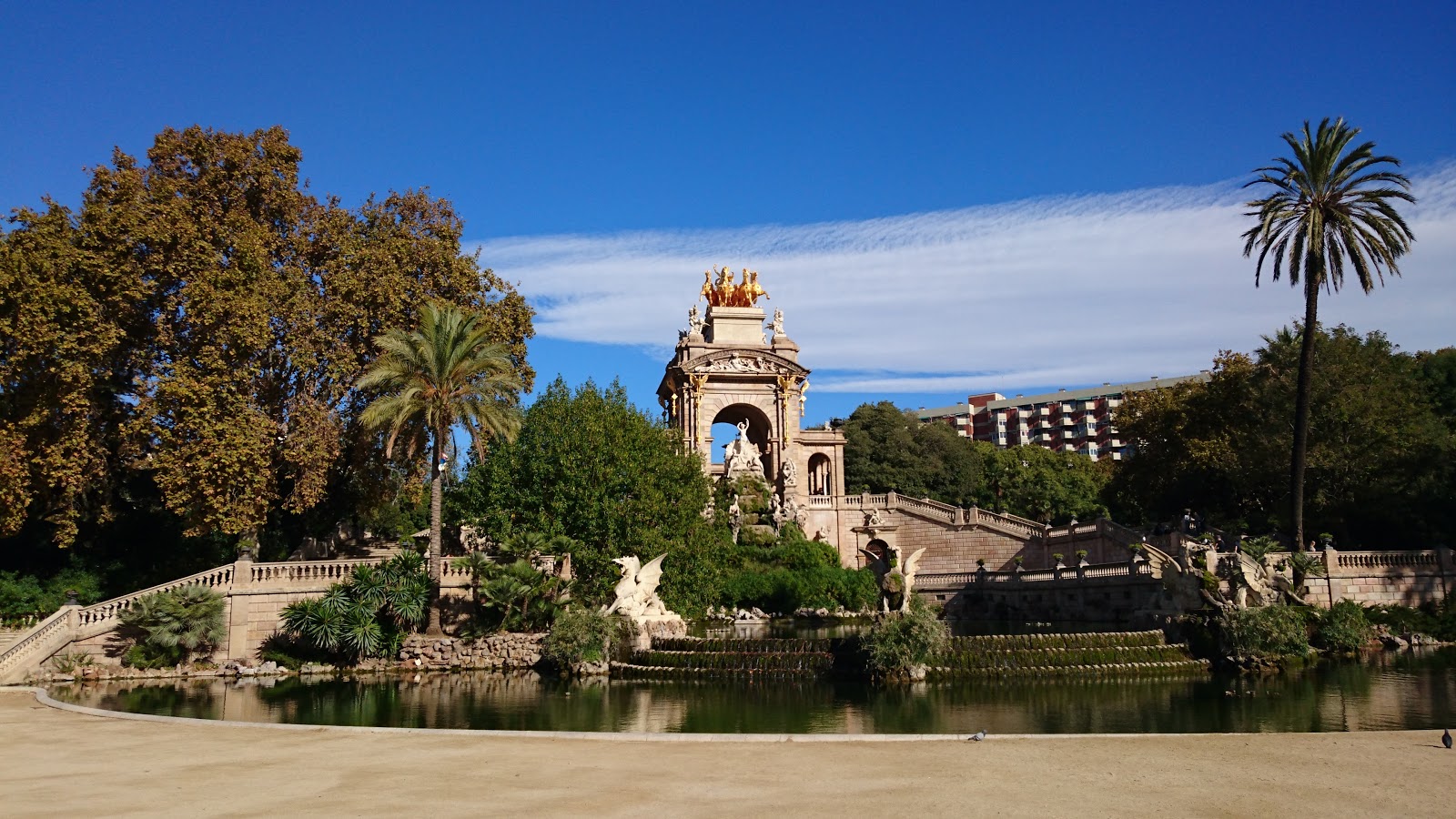 Ciudadela ParkFull of centenary trees, the Ciutadella Park contains a great diversity of elements: the monumental waterfall, 19th century buildings today converted into museums, a lake to walk in oars, walks and numerous sculptures. Share space with the zoo. |
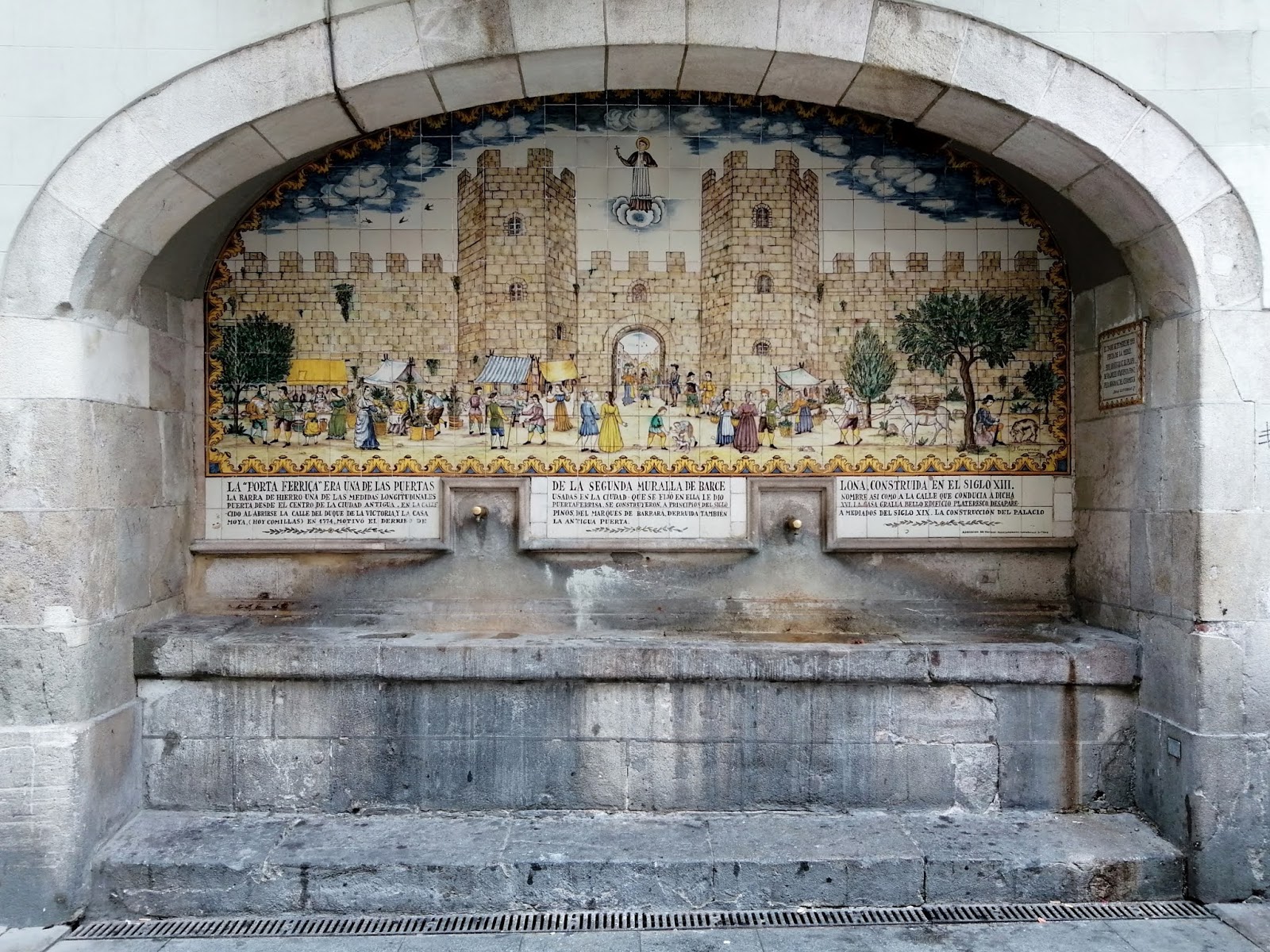 Source of PortaferrissaThe Portaferrissa fountain is one of those prints that still remember the walled past of Barcelona. In the medieval period, like all fortified cities, Barcelona had several entrance doors: the Porta Ferrissa (Gate of Iron) was one of the eight located along the second wall built in the city at the end of the 13th century. Its name was born from the iron bars that decorated the portal and at that time were used as a unit of measure. It is precisely that name that has lasted in time, both in the street and in the fountain located in the place of the old door. |
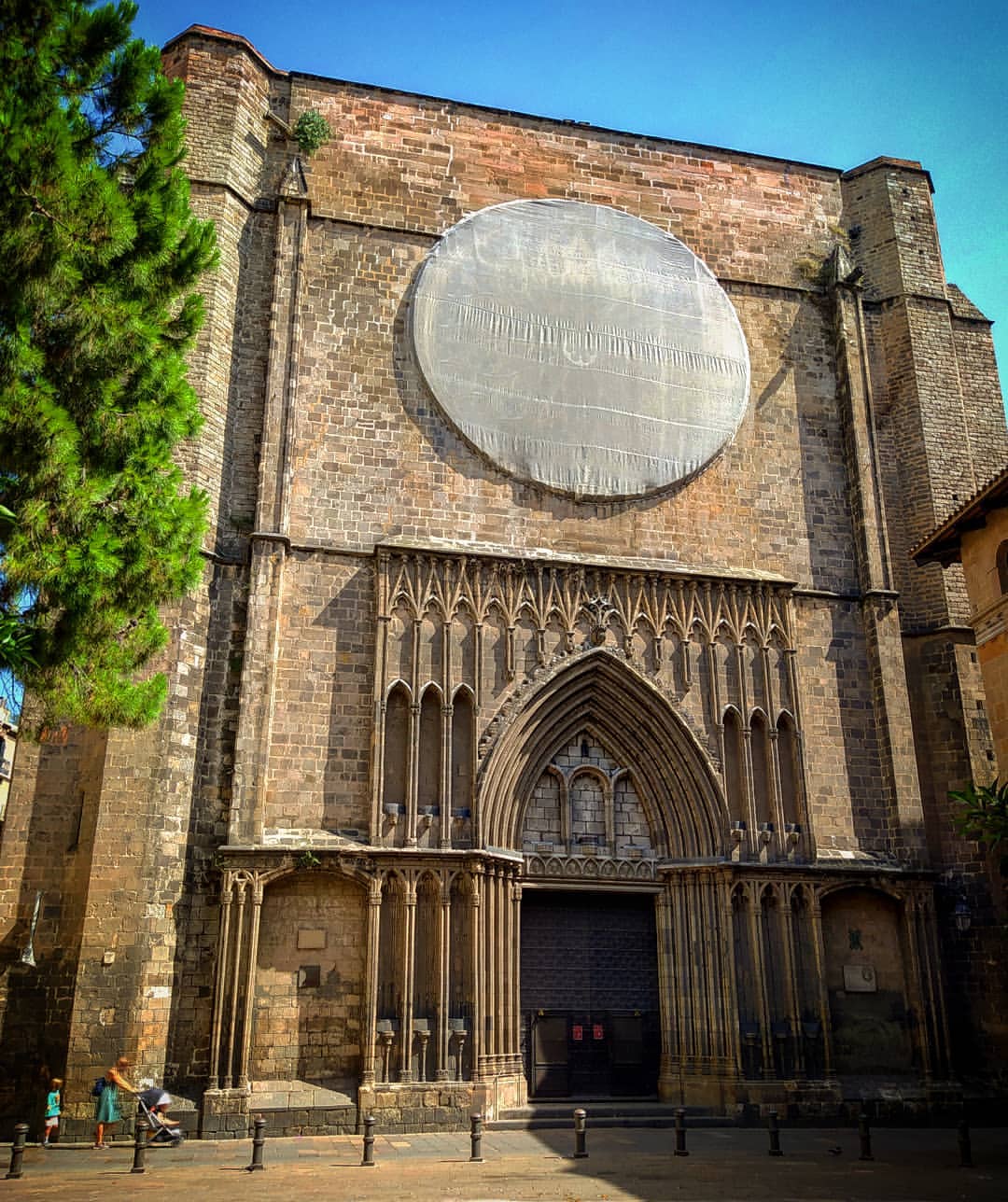 Basilica of Santa Maria del PiSanta Maria del Pi is a Catalan Gothic-style basilica that was built in the early 14th century, in what is today the picturesque Pi square of the Gothic Quarter of Barcelona. The church consists of a single ship of 54 meters long by 17.50 meters wide and a height of 27 meters, with polygonal apse and side chapels located among the Gothic counterforces. |
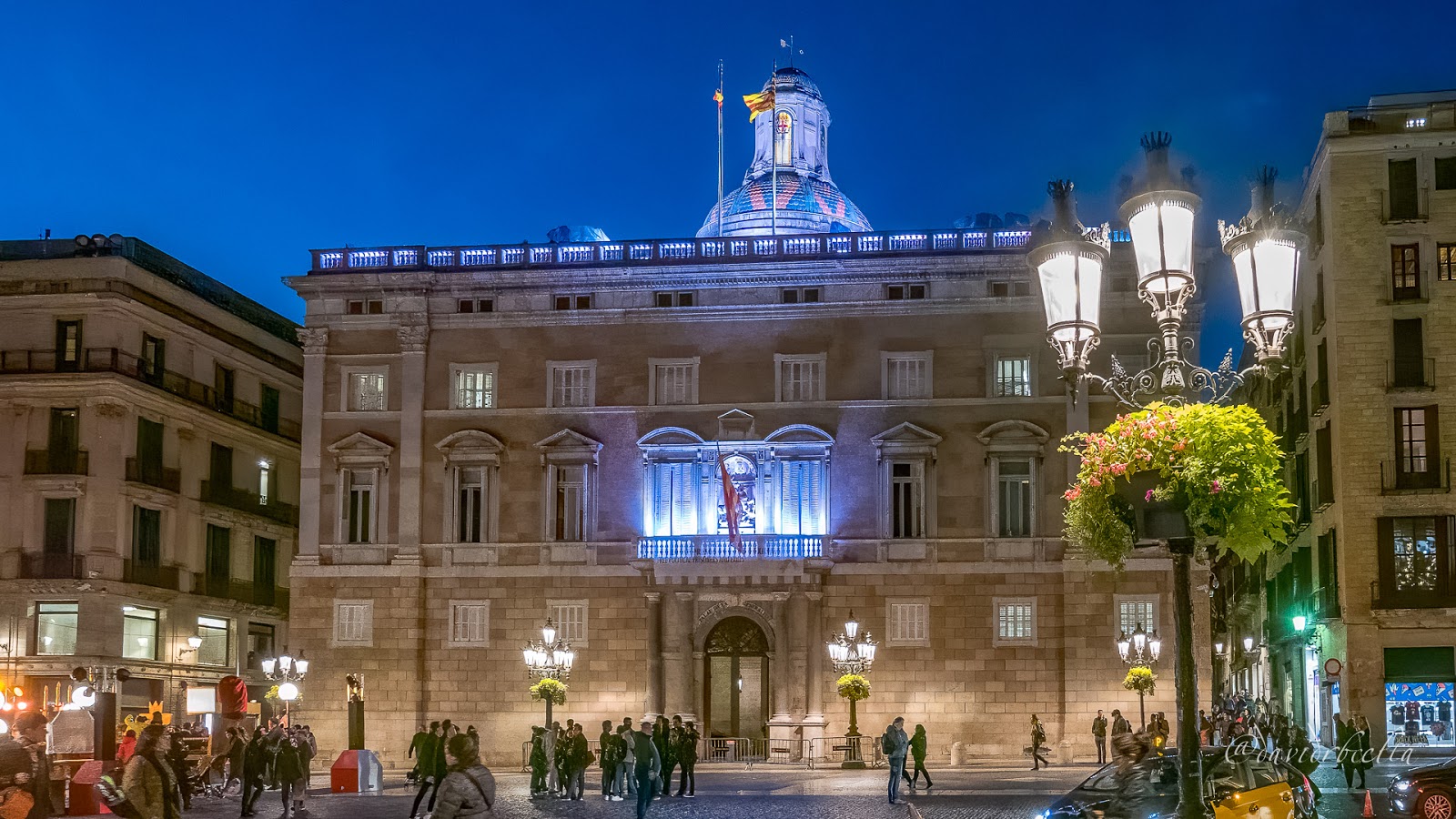 Palau de la Generalitat de CatalunyaThe Palacio de la Generalitat, located in the Gothic district of Barcelona, is one of the few buildings of medieval origin in Europe that remains the seat of the government and the institution that built it. |
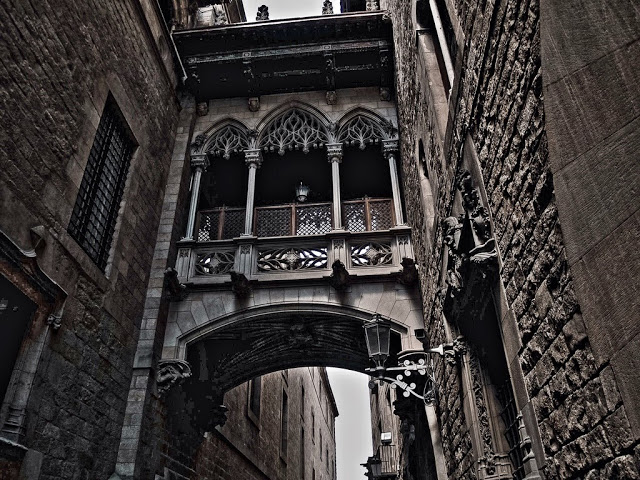 The Pont del BisbeIn the Gothic district of Barcelona, on the reel of the Irurita bisbe (the street of Bishop Irurita), is this Neogotic-style bridge, the pont of the Bishop's bisbe / bridge. Although with the appearance of being many years old, the pont of the bisbe was built in 1928 by Joan Rubió i Bellver during the rehabilitation of the historical center of Barcelona and unites the historical buildings of the Palau de la Generalitat * (Palacio de la Generalitat) and the Casa dels Canonges (Casa de los Canónigos). Its main function was to serve as an elevated step to Palau de la Generalitat to the presidents of the Generalitat who resided at the Casa dels Canonges: Francesc Macià, Lluís Companys and Josep Tarradellas. |
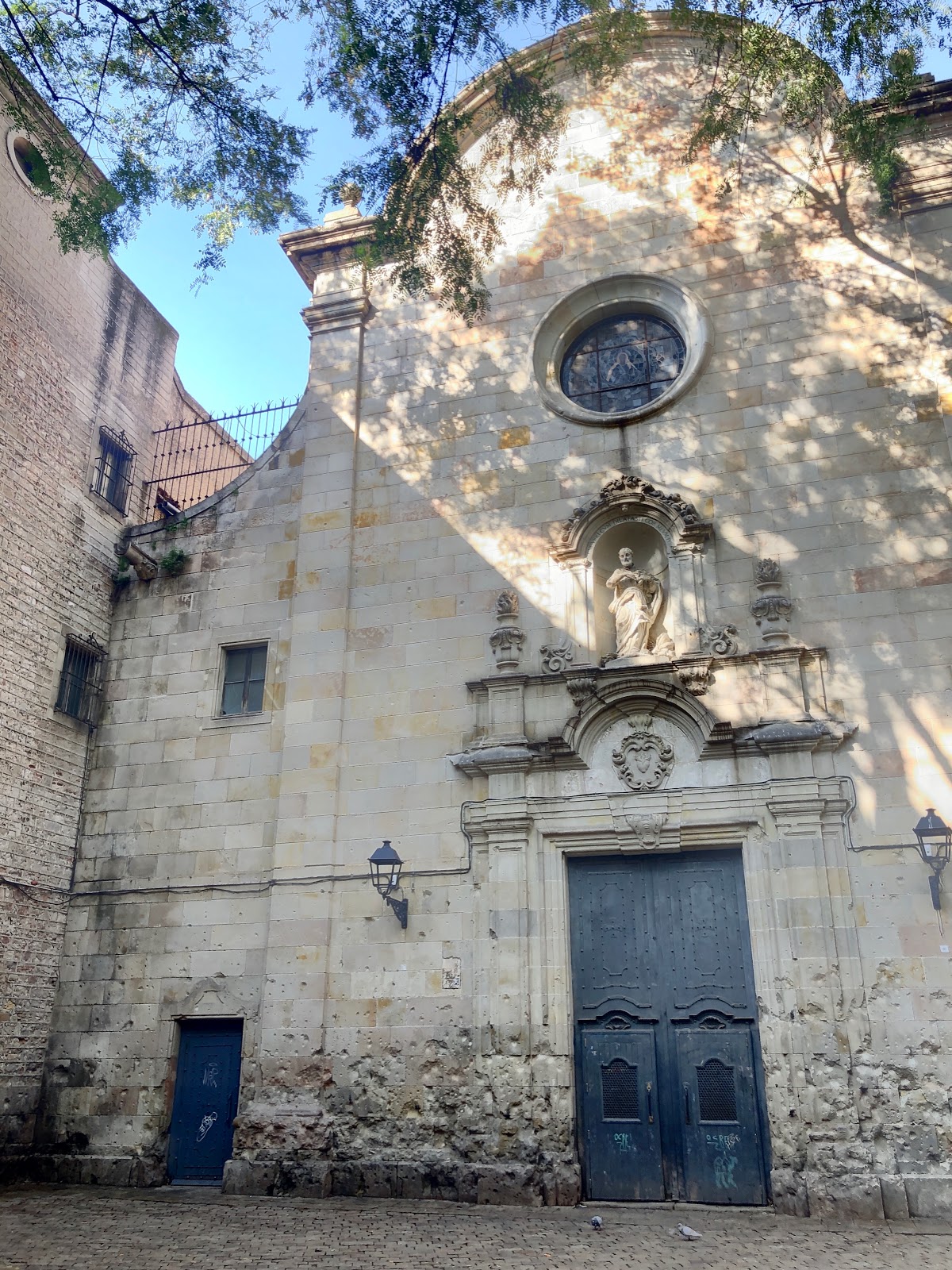 Church of San Felipe NeriA baroque-style church built around 1750 in the center of the building was placed on January 31, 2007, which commemorates the events: "In memory of the victims of the bombing of San Felipe Neri. Here 42 people - the majority of them children - died by the action of the Franco aviation of January 30, 1938. |
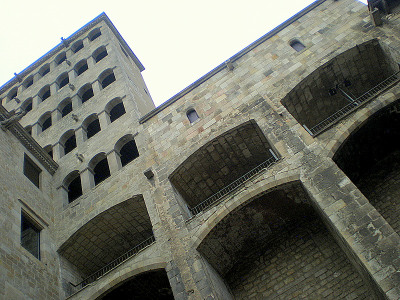 Mirador del Rei MartíThe one known as King Martí's tower has been closed to the public for years. However, you can still access his care and spectacular interior and discover some of his secrets, such as the existence in 1555, the year in which this symbol of the Gòtic district of Barcelona was erected, of a citizen named Joan Falgàs, who would have participated in the construction and left his signature for posterity on one of the walls that close the staircase. The tower is part of the Palau Reial Major, in the Rei Square, along with the Tinell Hall, the Santa Águeda Chapel, the current Marés Museum and the present seat of the Arxiu de la Corona d'Aragó, in the so-called Palau del Lloctinent, which it belongs to and which it is accessed after the relevant authorization. |
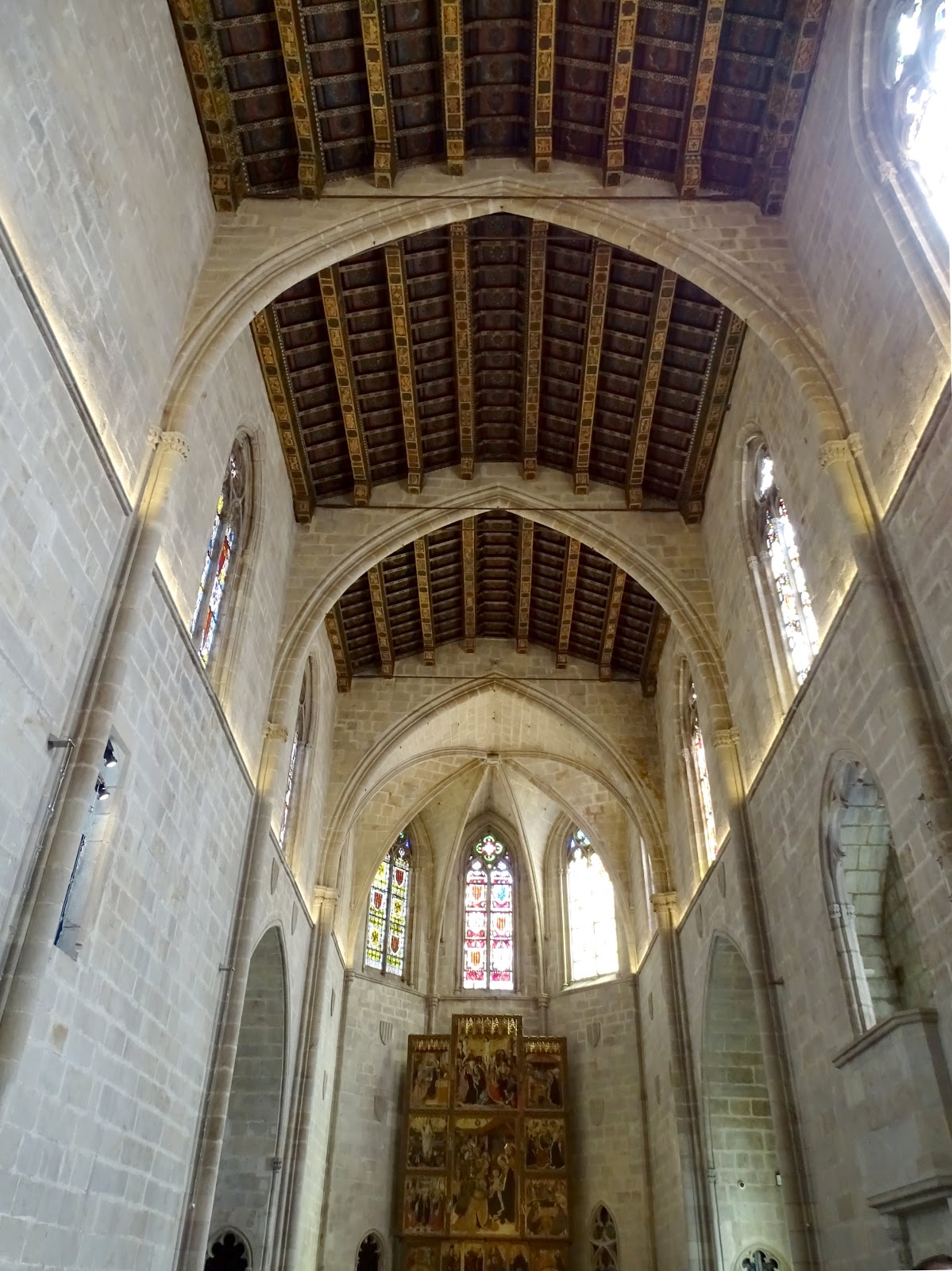 Church of Santa ÁguedaIt is the chapel of the Palau Reial of Barcelona, beginning in 1302 and originally consecrated to Santa Maria. The construction reflects the characteristic sobriety of the Catalan Gothic. Inside is the table of Santa Ágata and El retaule del Conestado, a masterpiece of Catalan Gothic painting. |
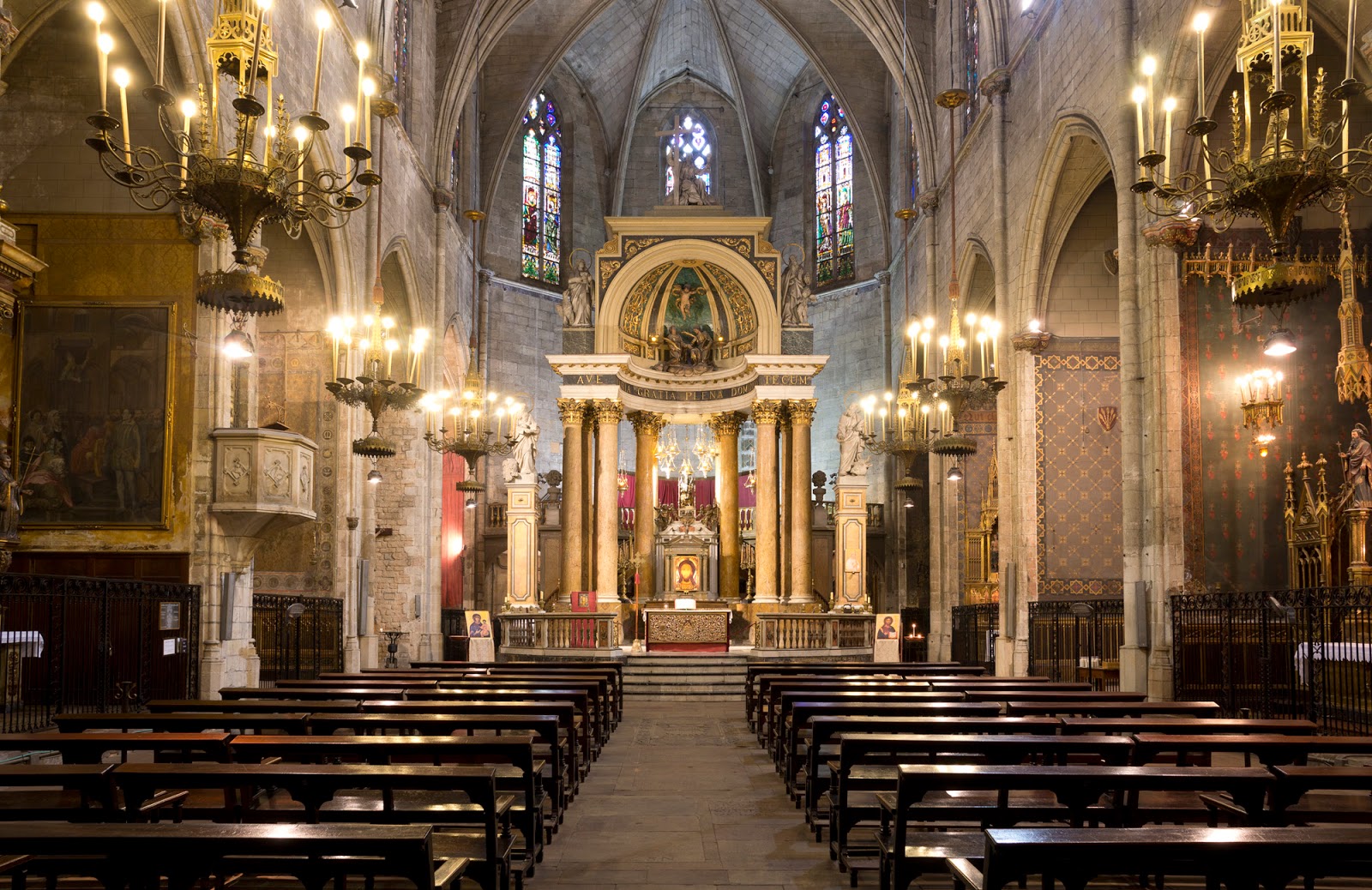 Basilica of the Holy Martyrs Just and PastorOn the outside, a simple Gothic church in the heart of Barcelona; on the inside, a box of surprises with unparalleled views of the city center. Considered as the oldest in the city, the Basilica of Sants Màrtirs Just i Pastor is a little-known church, but it hides treasures from the Roman and medieval times, and a bell tower from which to get a privileged view of the historical center. |
The Roman Barcino that gave rise to the City of Condal had its origin in which today it is known as the Gothic Barrio. Yeah, we're talking about the oldest part of town. And, like every Roman settlement that is worth it, it had its cardo and its decumane that are still part of the urban street, though with other names. With more than two thousand years of history, you will not lack places to see in the Gothic Quarter of Barcelona, so many that you will surely have to end up selecting.
Γεωγραφικό πλάτος:41.384219·Γεωγραφικό μήκος:2.175888